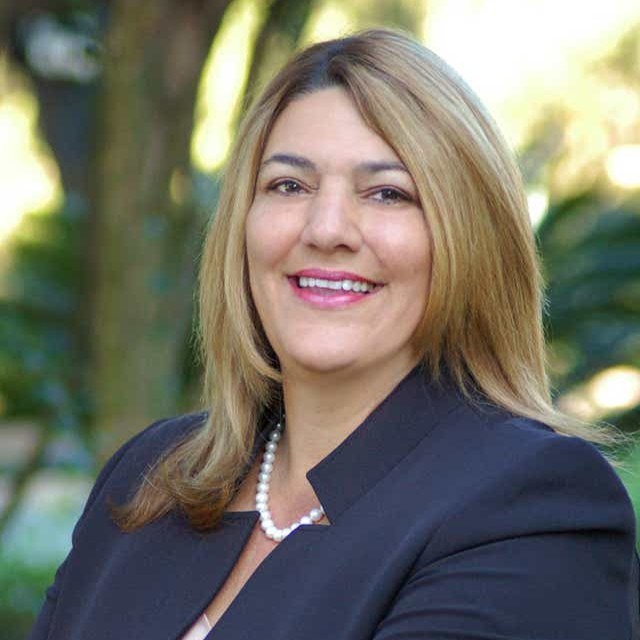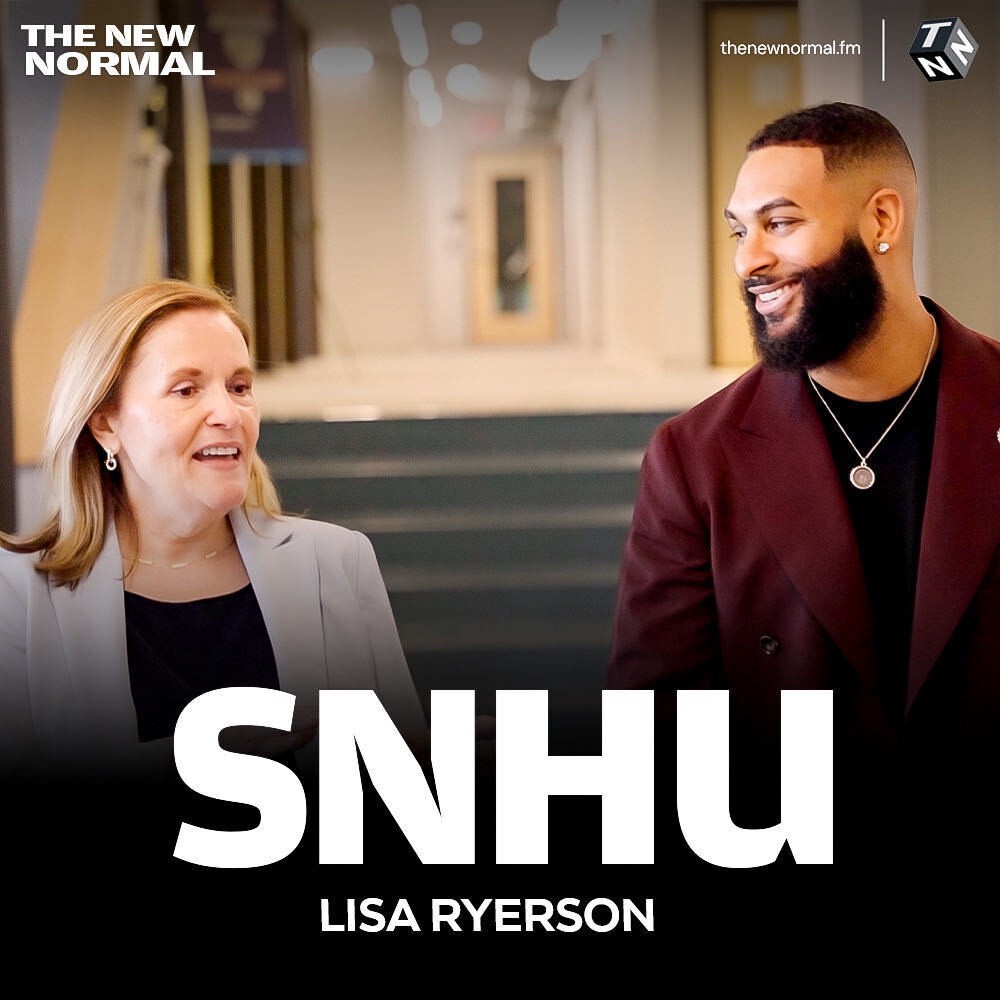










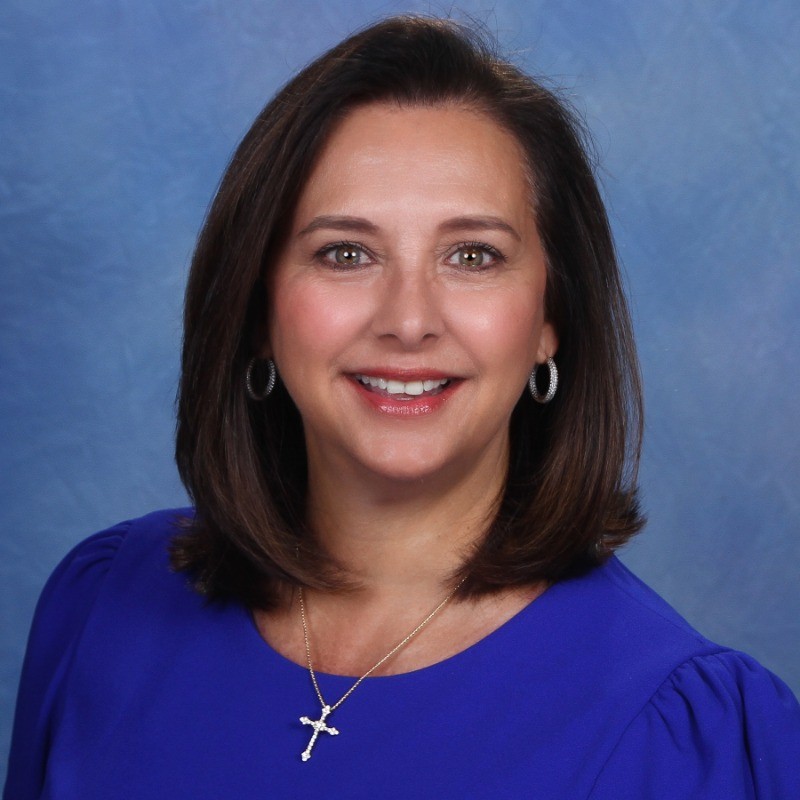
Lisa Marsh Ryerson is President of Southern New Hampshire University, the largest nonprofit provider of higher education in the United States, serving more than 180,000 learners. She became SNHU's sixth president in July 2024, succeeding Paul LeBlanc, after two years as the university's provost and six years on its board of trustees. Before SNHU she spent nearly nine years as President of AARP Foundation, where her final three-year plan generated more than $5 billion in income for older adults, and 28 years at Wells College, 18 of them as its president. She began her career teaching fifth and eighth grade.
Her approach starts from designing with students rather than for them: "they are investing their time and other precious assets because they have a goal they're striving to achieve." She describes SNHU as nationwide rather than national, meaning "deeply local in many places and with our students," and has used her first years in the role to build a people-first culture, launch a skills-based microcredential platform, and expand credit for prior learning. She holds a B.A. in English from Wells College and an M.S. in education and literacy from SUNY Cortland, and serves on the boards of the Shriver Center on Poverty Law, the National Women's History Museum, and The Generosity Commission.

Southern New Hampshire University enrolls more than 300,000 learners over a twelve-month period, with new terms starting every eight weeks. President Lisa Marsh Ryerson joins Ruben Harris on SNHU's campus to explain how an institution at that scale stays personal: the "speed to lead" practice SNHU pioneered, why the moment a student first reaches out is fragile enough that a day's delay can lose them, and how AI agents now work alongside human advisors so no one falls through the gap.
Ryerson also walks through the operating discipline behind the strategy: understanding your data structure and your organizational capacity before buying licenses, naming risks and their mitigation plans rather than pretending they are not there, treating vendors as partners who embed with your teams, and putting the executive team through a six-week AI boot camp so the people setting direction actually understand the tools. She is blunt about the ceiling on incrementalism, and about the division of labor she wants: agents take the hand work, people keep the heart work, and the ambition moves from 300,000 learners toward ten million.









.png)