[00:00:00] Mike Flaskey: My job when I wake up every day, I have a responsibility for the customer and the entire customer journey. We know that experiences are more important than [00:00:10] things, right? Yeah. And so now we're introducing an element of inner circle across our system to our 700,000 owners. What we see with the experiences [00:00:20] is we see that it brings all demographics to the table.
[00:00:24] Mike Flaskey: You put your trust in a brand, you put your trust in a salesperson. When [00:00:30] they show up from the moment they check in, you know, they, they, they're welcomed home. This is not a hotel. These folks have committed money, real money, [00:00:40] to own with us, so we welcome them home. There is definitely an opportunity to preview and see how you may get, you know, some of these digital [00:00:50] workers involved to be able to help with that upstream engagement, to be able to create that experience so when that guest shows up or that owner shows up in their [00:01:00] unit, you already have all of that ready to go and you could have executed against it.
[00:01:06] Mike Flaskey: And they walk in there and go, "This is next level." [00:01:10]
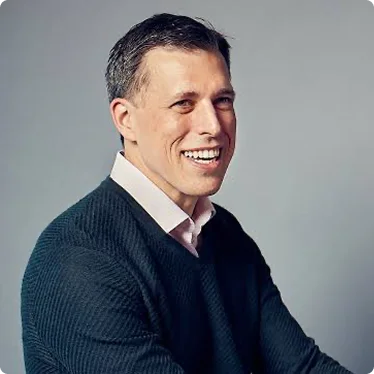
[00:01:10] Ruben Harris: Happy Thursday. My name's Ruben Harris, and This is The New Normal. The New Normal is a show where we go inside of organizations that are actually using [00:01:20] AI in production at scale in a way that's making a meaningful impact in their organizations. This is not a show about hype.
[00:01:27] Ruben Harris: It's a show where we interview leaders who have made [00:01:30] decisions to reimagine their organizations with AI at its core. Speaking of reimagining, today we're gonna be talking about reimagining [00:01:40] hospitality with two special guests. The first special guest is my co-host and our new head of travel, Jeff Herzfeld.[00:01:50]
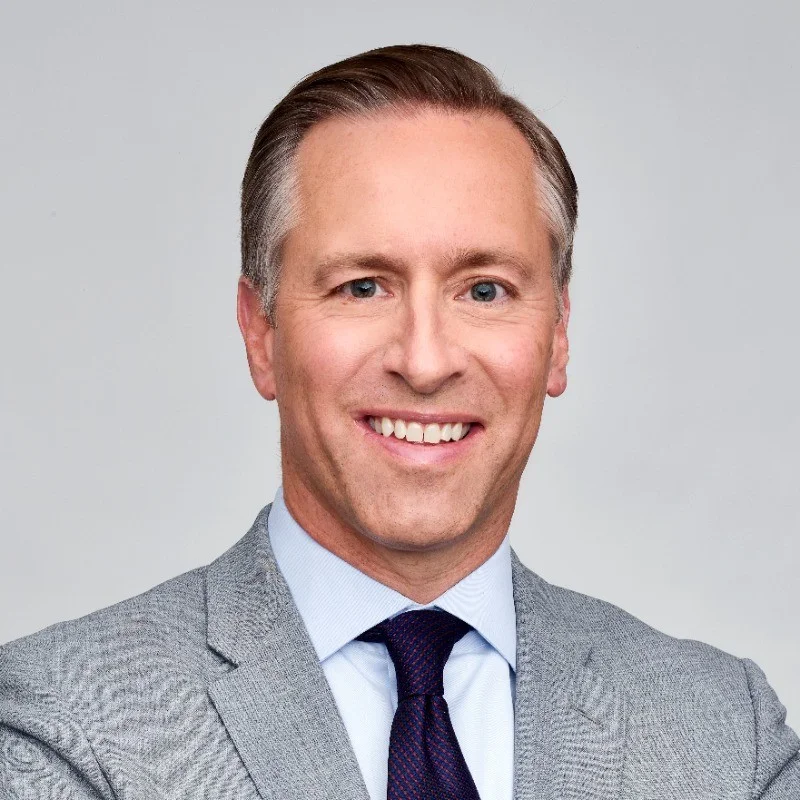
[00:01:50] Ruben Harris: Jeff Herzfeld started his career on the phones at Carnival Cruise Lines and then quickly ascended to places like Virgin Voyages, MSC, Royal [00:02:00] Caribbean, and most recently leading global sales at Ritz-Carlton Yacht Collection. And our second special guest is the new [00:02:10] president and COO of Marriott Vacations Worldwide, Mike Flaskey.
[00:02:16] Mike Flaskey: Thank you all for having me. I appreciate it. I'm honored to be here.
[00:02:19] Ruben Harris: [00:02:20] Likewise. So you and I, Mike Flaskey, we met back in the day during your Hor- Hornblower days.
[00:02:24] Mike Flaskey: We did.
[00:02:24] Ruben Harris: Uh, Lisa Lutoff-Perlo introduced us to each other.
[00:02:27] Mike Flaskey: Yeah.
[00:02:27] Ruben Harris: And so tell us a little bit [00:02:30] about how you came here. Uh, your, your buddy calls you, so, so talk, talk to us about that.
[00:02:34] Mike Flaskey: Yeah. So, uh, Lisa, by the way, is an amazing lady. She was the chairwoman of our [00:02:40] board, and so I worked for Lisa, uh, when I was CEO at Hornblower, and, uh, really do miss her. Uh, but yeah, Matt Avril, he's my guy. He's our [00:02:50] CEO here at, uh, Marriott Vacations, and Matt Avril was on the board and, uh, they made a leadership change here.
[00:02:57] Mike Flaskey: Uh, the board decided to do so at the [00:03:00] CEO level back last November, and they asked Matt Avril if he would consider coming in on an interim basis and he said he would. And he started [00:03:10] considering, you know, taking the, uh, interim off of his title. And as a part of that, he, uh, like all leaders, wanted to get the right team, right?
[00:03:17] Mike Flaskey: Mm-hmm. And, uh, he and I had had some great years together in [00:03:20] the heyday back in the mid 2000s at Starwood Vacation Ownership. Mm-hmm. Uh, we were part of the team that, uh, opened up the St. Regis Club in Aspen, New York, [00:03:30] uh, built some world-class resorts out in Maui. And, uh, so we had a history together and, uh, we had a little chemistry and a lot of success back in the [00:03:40] day.
[00:03:40] Mike Flaskey: And, uh, Matt Avril said, "Hey, you know." I'm thinking about taking the, uh, the interim off of the CEO role, and I'd really like you to consider coming as the [00:03:50] president. And, uh, so I thought about it for about two seconds and I said, "I'm in."
[00:03:55] Ruben Harris: So you got, you got the band back together again. Um, it's exciting. A lot of your [00:04:00] people have probably heard of you all, but help the audience feel the sca- scale.
[00:04:03] Ruben Harris: You talked about resorts. It's like 120 resorts.
[00:04:07] Mike Flaskey: Right.
[00:04:08] Ruben Harris: Uh, yeah, talk, talk to us about that.
[00:04:09] Mike Flaskey: [00:04:10] Yeah, so look, Marriott Vacations Worldwide is a global player. Uh, we've got 120 resorts around the world. We've got over 37,000 rooms. [00:04:20] We've got 700,000 families and people that have entrusted us, uh, to basically they bought their vacation with us.
[00:04:29] Mike Flaskey: They, uh, they [00:04:30] own their vacation ownership product with us across our brands. Uh, we've got some of the finest brands in the world. We've got the Marriott brand. We've got the Westin brand. We've got [00:04:40] the Ritz-Carlton brand. We've got the Sheraton brand. We've got the Hyatt brand, and we've got the St. Regis brand.
[00:04:46] Mike Flaskey: So when you really look at our brand bar, um, i- [00:04:50] it has a little bit of everything, so. Yeah. It's, it's, it's a great company. I also, uh, wanna mention there's 23,000 associates- Mm-hmm ... around the globe- Mm-hmm ... [00:05:00] that wake up every day and make this company happen.
[00:05:02] Ruben Harris: I love that. I love that. Um, something that Jeff Herzfeld and I were talking about this morning is what's the difference between a hotel room and a timeshare?[00:05:10]
[00:05:10] Ruben Harris: But people don't know
[00:05:12] Mike Flaskey: A big difference. Um, a hotel room is typically 300, 350 square feet. Mm-hmm. Uh, our [00:05:20] average room is typically 1,200 square feet, and you generally have two bedrooms in that unit. Mm-hmm. Uh, you'll have a full kitchen. You'll have a full living room. [00:05:30] And the concept is, is that you can bring a family, and Mom and Dad can still have some privacy.
[00:05:35] Mike Flaskey: Mm-hmm. Mm-hmm. And so there's opportunity to have a kitchen for breakfast, or if you wanna have lunch in [00:05:40] your room, you don't have to eat out- e- every meal out. And the value proposition of the, uh, of the product is anchored in, you know, that accommodation [00:05:50] versus a traditional hotel. And as families grow, it becomes more and more relevant.
[00:05:54] Ruben Harris: Yeah. And I, I really love that you brought up your 23,000 [00:06:00] associates that are serving the people that are the, let's have 100,000 owners in your timeshares. Before talking about them, what was interesting to me about the dinner last night [00:06:10] is most organization that we speak with have way more people that are coming to them than team members to serve.
[00:06:18] Ruben Harris: As, and a lot of these [00:06:20] organizations normally have a lot of digital marketing. Mm-hmm. You guys don't have that. You all have existing people in the Bonvoy database with 295 million [00:06:30] people. You have the Hyatt database with 66 million people. And how are y- H- tell us a little bit about the people that already exist that you're trying to serve.
[00:06:38] Mike Flaskey: Yeah, you did your [00:06:40] homework. I did a little. I like that. I like that. Yeah. Look, we're, we're very blessed, as you say, to have the exclusive, um, rights to be able to market into the [00:06:50] Marriott Bonvoy database and the World of Hyatt database, and that's where we source our customers. Mm-hmm. And those customers already have an affinity to those brands.
[00:06:59] Mike Flaskey: Mm-hmm. [00:07:00] And those customers, um, you know, when we reach out to them and we make an offer to them, our offer is typically Mr. and Miss Flaskey, we have an [00:07:10] opportunity for you to visit one of our 120 resorts around the globe- Mm-hmm ... for four days and three nights for $199. We want you to go stay. [00:07:20] We want you to have a chance to experience our amenities.
[00:07:23] Mike Flaskey: We want you to immerse yourself in the experience that we provide on property. And for that discount, [00:07:30] that product would normally be 12, 1500, depending on where you're at, could be even more. For that same period of time, they will give us 90 minutes of their time. So [00:07:40] we do not focus heavily in the traditional digital marketing space.
[00:07:45] Mike Flaskey: We are not trying to convert a lead on a website, right? Mm-hmm. Mm-hmm. We [00:07:50] work that database that you talk about for our first-time buyers. And then subsequently, we have 700,000 families that own with us, right? Mm-hmm. Mm-hmm. [00:08:00] And the average owner will buy three to four times during the lifetime value of, or the lifetime, I should say, of their ownership, right?
[00:08:09] Mike Flaskey: Mm-hmm. And [00:08:10] so that is a very, very important part of our sales ecosystem as well, are the existing owners.
[00:08:17] Ruben Harris: Yeah. I like that you [00:08:20] brought up the, the long term, right? It's not just about the initial ownership, 'cause we know that vacation ownership or vacation experience is a long-term [00:08:30] relationship. Right. And so Talk to us a little bit about the journey of becoming an owner.
[00:08:37] Mike Flaskey: Well, i- i- it's a great, you know, it's a great [00:08:40] point. You know, typically, uh, an owner who comes through, uh, the Marriott Bonvoy or the World of Hyatt database and comes through one of the preview [00:08:50] packages that we talked about, uh, we will, we will convert, you know, typically two out of 10- Mm ... that will say, "You know what?
[00:08:58] Mike Flaskey: We're gonna purchase. We're gonna- Mm ... we're gonna [00:09:00] buy," right? But it just begins, right? The customer journey just begins. We don't really disclose how long they stay in our system. Mm. But I can tell you compared to [00:09:10] other places I've worked, it's double, right? Mm. And it's the affinity of, you know, these brands and the, and these folks that were already members, you know, of those loyalty [00:09:20] programs.
[00:09:20] Mike Flaskey: They're already accustomed to staying in their hotels, and now they come over and, you know, they see the vacation ownership and the unit sizes that we talked about. And so the beauty of [00:09:30] what we found here at Marriott when we... You know, we're very data-driven. Uh, and, you know, we came in and, and we did some studies and the average owner only [00:09:40] owns 1.3 weeks equivalent, right?
[00:09:42] Mike Flaskey: Mm-hmm. Which tells us there's a tremendous runway. Um, as I said earlier, the average owner will buy three to four [00:09:50] times- Mm ... over, you know, the lifetime of their ownership.
[00:09:53] Ruben Harris: Yeah. So I'm gonna, I'm gonna put my tech hat on to go a little deeper here, right? Sure. Because, you know, we did Y Combinator that I was [00:10:00] telling you about before.
[00:10:00] Ruben Harris: That's where places like Airbnb was born, and when you talk to the founders of Airbnb, they talk about how they started, and they walk through the, the [00:10:10] journey of a, a guest experience, the journey of a host.
[00:10:14] Mike Flaskey: Yeah.
[00:10:14] Ruben Harris: Right? But what I wanna break down is what are the different steps of becoming an owner? You [00:10:20] mentioned that 2 out of 10 buy.
[00:10:21] Mike Flaskey: Right.
[00:10:21] Ruben Harris: But- And we'll get into, like, the eight out of, out of the t- out of 10, right- Mm-hmm ... in a second. But what are the steps that somebody walks with? Like the funnel. I know [00:10:30] it sounds like salesish- Sure ... but I want people to know what is the steps, and then also the repeat purchases and what that looks like.
[00:10:35] Ruben Harris: Yeah.
[00:10:35] Mike Flaskey: Yep. No, I understand. Well, first off, you know, uh, when [00:10:40] one of those, uh, 20% say- Yeah ... "Yes, you know what? We think we are gonna, you know, we are gonna purchase," right? Mm-hmm. Uh, they enter the customer journey funnel. Yeah. Okay? [00:10:50] And the first thing we do within 90 to 120 days is we get them back to one of our locations.
[00:10:58] Mike Flaskey: Mm-hmm. And we have an owner [00:11:00] education program for them. Mm-hmm. Right? And we want them to understand how to use their product. We want them to maximize the use of the product. And so from an educational standpoint, we try to [00:11:10] get them back very quickly, uh, to make sure they understand how to maximize.
[00:11:14] Mike Flaskey: Depending on the size purchase that they make, the average person's gonna [00:11:20] buy, you know, a week- Mm ... to potentially two weeks a year of vacation. Mm-hmm. Right? And so then it becomes getting them out using the [00:11:30] product. This is a use product, right? Yeah. And it's a points-driven product. So there are a lot of different ways that an owner can use the product.
[00:11:38] Mike Flaskey: This is not your grandma and [00:11:40] grandpa or your mom and dad's timeshare. Mm-hmm. This points product is a fungible currency. And so the way that works is they can look at our points [00:11:50] chart, they can look at our 120 resorts. They can pick a studio, a one-bedroom, a two-bedroom, or a three-bedroom. Mm-hmm. And of course, the different point charts will have a different amount [00:12:00] allotted for each of those different size units.
[00:12:02] Mike Flaskey: And then they can choose how long they wanna go. Mm-hmm. They may wanna go for three days for a Southern California drive out to Las Vegas. [00:12:10] Mm-hmm. Or they may wanna go to Hawaii for 10 days, right? Mm-hmm. So, so they can pick and choose, right? And so it really allows them to tailor and to customize [00:12:20] the way that their family wants to vacation, and that really becomes important as the customer journey moves along because typically, a family [00:12:30] will buy this product, they have young kids, they want larger accommodations- Mm-hmm
[00:12:33] Mike Flaskey: like we talked about earlier. Mm-hmm. But over time, they may become an empty nester, right? Yeah. And so now they don't need the two or [00:12:40] three-bedroom. Now they don't have to travel during the peak summer season when the kids are out of school. Mm-hmm. So what was a week or two when their, when they had their kids in the larger units, [00:12:50] as they become empty nesters, could be four or five weeks in a one-bedroom unit- Yeah
[00:12:55] Mike Flaskey: in the shoulder seasons.
[00:12:56] Ruben Harris: Yep.
[00:12:57] Mike Flaskey: So the way it works is, is, is, is they continue [00:13:00] to work their way through the ecosystem. The more they use the product- Our GSS scores are off the chart.
[00:13:07] Ruben Harris: Our- For the people that don't know, what does GSS stand for? Gue-
[00:13:09] Mike Flaskey: guest [00:13:10] satisfaction surveys. There you go. NPS would be- Yeah
[00:13:12] Mike Flaskey: you know, something that would probably resonate, you know, in the traditional hotel, you know- Yep ... lodging, hospitality space. They're off the chart. [00:13:20] Yeah. Uh, and, you know, we're in a beautiful situation. Um, you know, we have, we said it earlier, we got 23,000 associates that wake up every day- Mm-hmm ... [00:13:30] and deliver the dream.
[00:13:31] Mike Flaskey: Yep. We have a sales and marketing team that sells the dream. Mm-hmm. But what really matters is when our owners show up and our guests show up, are [00:13:40] we delivering the dream?
[00:13:40] Ruben Harris: Yeah. And so to, to your point about delivering the dream, and I love that magic experience, and we'll talk about how you take things from a normal owner to the next level, [00:13:50] right?
[00:13:50] Ruben Harris: Right. For, for a regular. But, um, these 23,000 people, or those 3,000 people that are really, like, actively working with people, for the eight out of the 10, [00:14:00] just so the people putting on the owner hat, 'cause my dad is also an owner of a timeshare. Before he bought a timeshare, he was already on vacation. So a [00:14:10] lot of times they may not always purchase when they're speaking with one of your associates, but that doesn't mean that they're not interested in eventually becoming an owner.
[00:14:18] Ruben Harris: Is that right?
[00:14:19] Mike Flaskey: A, [00:14:20] a, 100%. And, and, and just so your listeners understand, you know, the logic behind the product is you're spending the money anyway.
[00:14:28] Ruben Harris: Yeah.
[00:14:28] Mike Flaskey: You're taking the vacation [00:14:30] anyway. Yeah. So we're gonna show you how to repurpose those dollars into ownership.
[00:14:35] Ruben Harris: Mm-hmm.
[00:14:36] Mike Flaskey: You're gonna hedge against inflation.
[00:14:37] Ruben Harris: Mm-hmm.
[00:14:38] Mike Flaskey: You're gonna lock in at today's [00:14:40] prices.
[00:14:40] Ruben Harris: Mm-hmm.
[00:14:41] Mike Flaskey: And you're gonna own it for a lifetime.
[00:14:42] Ruben Harris: There you go. Right. And so what are the different kinds of owners? There's owners, there's people that buy up front, there's [00:14:50] a financing, there's renters, and then there's this explorer package I think you were telling me about yesterday?
[00:14:55] Mike Flaskey: Right. So, so what you're specifically speaking to is, is that we [00:15:00] a- a- as a company, when someone comes in a first time buyer- Mm-hmm ... if they make a decision to purchase today, we are the bank. Mm-hmm. We, um, you know, we, we have a $3 billion bank [00:15:10] here. Yep. And so we handle the financing. Uh, we do it all, all of the underwriting, all of the servicing, and then ultimately a couple of times a year, we go to the [00:15:20] asset-backed securitization- Mm-hmm
[00:15:21] Mike Flaskey: market, public markets, and, you know, we'll, we'll sell those. Mm-hmm. And then we'll maintain the servicing of them, right? Mm-hmm. Some people don't decide on [00:15:30] that initial visit that they want to make the full perennial purchase, right? Mm-hmm. So we do have a product that is a trial, we call it a trial package, right?
[00:15:39] Mike Flaskey: Mm-hmm. The [00:15:40] explorer package. And what that does is, is that allows that person an opportunity for, you know, a couple thousand dollars to experience [00:15:50] the product to stay in the product as an owner. Mm-hmm. Right? Uh, and then when they have the opportunity to experience it, should they decide [00:16:00] that, "Hey, this is what, what we thought.
[00:16:02] Mike Flaskey: We validated it, now we've gone a step further," or, "From an economic standpoint we're in a better position than we were in when we [00:16:10] did our initial visit," they can then apply that towards the purchase of the perennial product. So we have a pipeline of people. You know, on an annual [00:16:20] basis, you know, we'll talk to almost 500,000 people, right?
[00:16:24] Mike Flaskey: Mm-hmm. And so when you start talking about those kinds of numbers- Mm-hmm ... about half of those tours [00:16:30] are first time buyers- Mm ... and about half of them are existing owners. Mm-hmm. So if you, you know, round numbers, you know, 250,000 families, people coming through your [00:16:40] sales galleries, um, 20% buy, and then you have, you know, the opportunity to offer that trial product that you talk about to those that may wanna do it but [00:16:50] not go all the way.
[00:16:50] Ruben Harris: Yeah. And we'll come back to that when we talk about reimagining. But before doing that, I wanna talk about your regular owners. So you created something special. These people [00:17:00] that book regularly that might have status or VIP, uh, things, like talk about the inner circle concept that you created and what that journey looks like to take [00:17:10] things to the next level.
[00:17:10] Ruben Harris: And the reason why I'm saying and taking so much time to set the historical precedent is we gotta understand not just the timeshare business, but your organization, how [00:17:20] you serve people, to talk about how to take it to the next level as we reimagine it.
[00:17:24] Mike Flaskey: Sure. Yeah. Well, I will, I will directly answer the question about inner circle.
[00:17:29] Mike Flaskey: It's, it's [00:17:30] incredible. But, but I also want your listeners to understand too that we have a loyalty program within Marriott Vacations worldwide- Mm ... and we call them our owner [00:17:40] benefit levels, right? Mm-hmm. And so within there, we have multiple levels of ownership, and as they aspire to own more of the product and they move up in that loyalty, no different [00:17:50] than the Marriott Bonvoy or no different than any other airline loyalty, there are more benefits that come along with it.
[00:17:56] Mike Flaskey: And there- Mm-hmm ... and there's some great benefits. And so [00:18:00] we recently launched on June 22nd, uh, we launched our inner circle presented by Aflac Experiential, uh, event series.
[00:18:09] Ruben Harris: Shout out to [00:18:10] Aflac.
[00:18:10] Mike Flaskey: Yep. Yeah. Thank you to Aflac, that's exactly right, our presenting sponsor. And what we do with that, uh, you know, very simply is, is we [00:18:20] produce and we execute, in 2027 we'll do over 1,000 of these unique- Wow
[00:18:25] Mike Flaskey: curated experiences for our owners. And we start at the top level at [00:18:30] pinnacle, and then we work down to reserve, to chairman, and that's how we create the invitation list of who gets invited to these events. So you say, "Well, well what is the event," right? [00:18:40] Yeah. So there's four verticals In the Inner Circle platform.
[00:18:45] Mike Flaskey: First is headline music. Uh, we've got brand ambassador partnerships with, [00:18:50] you know, some really talented national recording artists, uh, Lee Brice, uh, Randy Houser, Colt Ford. We've got, uh, the 10-time CMA [00:19:00] Musician of the Year, Mac McAnally, and Scotty Emerick. They are in the Coral Reefer Band. They stood beside Jimmy Buffett for 40 years.
[00:19:07] Mike Flaskey: Wow. You know, so we've got, uh, some [00:19:10] real talent on the music side. And, you know, we, we basically, uh, invite these owners to come in, and there's 150, 200 owners, uh, versus [00:19:20] going down to your local XYZ arena and- 100,000 people ... exactly, and, and, and, and- 100, yeah ... and buying, and buying the tickets. But it's not just music.
[00:19:28] Mike Flaskey: Uh, that's, that's one of the four [00:19:30] verticals, but we also have culinary. Awesome. Uh, we do a lot in the food and wine space with, uh, with regional and national celebrity chefs.
[00:19:37] Ruben Harris: Top chefs, yeah.
[00:19:38] Mike Flaskey: We do a lot in the TV [00:19:40] space. Uh, you know, we talked a little bit about it at dinner last night, but, uh, you know, uh, Lisa, you know, introduced us to the folks over at Bravo, and, uh- Awesome
[00:19:47] Mike Flaskey: you know, we had Captain Sandy many [00:19:50] times in a past life, and, uh, I was introduced to the whole Bravo world. I didn't realize what a following that had. Wow. But, you know, we- Chris Harrison is a dear friend of [00:20:00] mine who was the host of The Bachelor and The Bachelorette, right? Mm-hmm. So we can envision having, you know, uh, some past winners from The Bachelor and The Bachelorette and, and, and Chris will host it, [00:20:10] and, you know, you can envision 150 owners getting to ask questions about what happened behind the scenes when you became The Bachelor.
[00:20:16] Mike Flaskey: You know, did that really happen in the house, or was that [00:20:20] television? Hmm. Was that scripted? Did you really get the rose, or was that... You know. So all these sorts of things behind the scenes create experiences that money can't buy, right? And, um, and [00:20:30] then the, and then the final leg, the fourth leg of the Inner Circle stool, uh, is sports.
[00:20:35] Mike Flaskey: Um- Mm-hmm ... I have a background in, in sports, and I have a lot of friends in [00:20:40] that, in that industry, uh, that played and, and/or were in the front office. And, um, a couple of examples, we're, we're gonna do some things with the 2004 [00:20:50] Boston Red Sox World Championship team. Uh, we will do some stuff with the 1999 Yankees World Championship team.
[00:20:56] Mike Flaskey: And we'll have four or five players from those teams. You know, [00:21:00] they'll come in, um, you know, and we'll, we'll have a great evening of what happened in the locker room, you know, and, uh, you know, you're down three games to zero to the, uh, Yankees [00:21:10] in the American League, uh, Championship Series. What did you do?
[00:21:14] Mike Flaskey: No one really had ever come back from down three games to zero. And, you know, you're losing in game four, and Kevin [00:21:20] Millar, you draw a walk off the greatest closer out there in Mariano Rivera. Next thing you know, the Dodgers man- current manager, Dave Roberts, comes in as a pinch runner. He steals second base.
[00:21:29] Mike Flaskey: And [00:21:30] before you know it, you win game four, and you run the table on the Yankees.
[00:21:34] Ruben Harris: Wait. You
[00:21:34] Mike Flaskey: You with me?
[00:21:35] Ruben Harris: Yeah, I'm, I'm with you. And I, I really... Something that you said that I think was [00:21:40] special is- Creating unforgettable experiences that money can't buy. Correct. Right? It's not just a celebrity thing, right? Usually when people buy things, they get [00:21:50] tangible assets.
[00:21:51] Ruben Harris: But creating memories, especially with your kids and your family, those things are, are priceless, right? I know, Jeff Herzfeld, you were talking about doing that. You, you, s- you [00:22:00] got-- You wanna say something about-
[00:22:00] Jeff Herzfeld: Yeah, yeah ... what you used to do there? I was gonna say, like, so how do the experiences, you know, help the whole, you know, vacation buying process?
[00:22:06] Jeff Herzfeld: Like...
[00:22:07] Mike Flaskey: Well, the first, the first piece is, you know, [00:22:10] lifetime value, right? I mean, at the end of the day, my job when I wake up every day, I have a responsibility for the customer and the entire customer journey, right? [00:22:20] And what we want to do is we want to create an offering that basically our members and owners wanna stay in the system for as long as [00:22:30] possible.
[00:22:30] Mike Flaskey: And because, you know, the product is a deeded product, they have the ability to will the product to their heirs, right, and pass it along. And so what we see [00:22:40] with the experiences is we see that it brings all demographics to the table. And what I mean by that is, is that you may have a baby [00:22:50] boomer that owns the product.
[00:22:52] Mike Flaskey: And now because, you know, we have, uh, Lee Brice performing, now the kids wanna [00:23:00] come, okay? And now the grandkids wanna come. And now all of a sudden a product that the baby boomer bought that they've owned for 20 years and they're looking at each other saying, "You know, [00:23:10] this has been great, but the kids aren't coming as much," now all of a sudden the kids wanna come again.
[00:23:14] Mike Flaskey: So it almost revitalizes, you know, in, in why they bought the product. But in the end, [00:23:20] you know, when our 700,000 owners bought their product. They did not pay for any level of entertainment, for any [00:23:30] level of experience. They bought the product and our amenities on site.
[00:23:34] Ruben Harris: Period. Period. You're wrong. Right.
[00:23:36] Mike Flaskey: So now what we know is, right, uh, we know that [00:23:40] experiences are more important than- Yeah
[00:23:42] Mike Flaskey: things, right? Yeah. And so now we're introducing an element of inner circle across our system to our 700,000 owners, [00:23:50] and we have absolutely caught lightning in a bottle.
[00:23:53] Ruben Harris: I love it. I love it.
[00:23:54] Jeff Herzfeld: So that's, that's amazing. You really touched on something because I heard you say, you know, families and [00:24:00] grandparents.
[00:24:00] Jeff Herzfeld: I'm... That's a, that's multi-generational. So is that really the new opportunity for multi-generational vacations?
[00:24:08] Mike Flaskey: Well, I, I mean, I was giving [00:24:10] you... It's a great follow-up question. I was giving the example of how we extend the lifetime value- Yeah ... by going generational. But on the other side of the continuum, [00:24:20] we're also introducing a younger demographic- Mm
[00:24:23] Mike Flaskey: to entering this product- Mm-hmm ... and buying this product- Mm-hmm ... that at one point in time would've rather gone to a [00:24:30] hotel than maybe an Airbnb, and now all of a sudden, you know, they look up one day and they go, "You know, we got a couple of kids, and we like the [00:24:40] campus amenities. Uh, we kinda like the security of knowing that our key's been changed out and there's no camera left over in my Airbnb."
[00:24:49] Mike Flaskey: And so the [00:24:50] next thing you know, their mindset is, "Wow, this product now appeals to our family- Yeah ... that didn't, five years ago, didn't exist," right? Yeah, yeah. Mm-hmm. They were happy staying in a hostel- Mm-hmm ... [00:25:00] traveling Europe, right? Yeah. And so that's kind of how the experience helps on the other end. It actually is, you know, kinda getting that, uh, that younger demographic, those younger [00:25:10] generations introduced to the product, which is very important.
[00:25:12] Ruben Harris: Yeah. W- and goes back to that whole point about vacation ownership being a long-term relationship and starting all the way with the kids. I think, um, [00:25:20] I wanna start introducing the technology part now, but before doing that I'm gonna keep talking about your humans, right? 'Cause at dinner last night, you brought up [00:25:30] something special, which was this tour algorithm- Yep
[00:25:32] Ruben Harris: which is related to this, right? It's ... And if I had to dumb it down in the best way that I could explain it, it's all about matching [00:25:40] the right human with the right owner at the right time, right? So can you talk a little bit about that?
[00:25:45] Mike Flaskey: Yes, I can. You're, you're talking about our proprietary [00:25:50] algorithm that we, uh, have branded Tour Logistics, right?
[00:25:53] Mike Flaskey: So we talked earlier about there, there's roughly 500,000 people, families- Mm-hmm ... that come through [00:26:00] our sales galleries that will meet face to face with a salesperson, right? Mm-hmm. Well, again, my responsibility is not only the customer journey that [00:26:10] owns with us, but the potential new customer journey as well, right?
[00:26:13] Mike Flaskey: Mm-hmm. And so we created this proprietary algorithm that basically does two things. [00:26:20] It analyzes every salesperson in our organization, which today we have about 1,400, right? Mm-hmm. And it goes eight [00:26:30] levels deep because there's about eight levels or eight different ways that a potential customer can enter and have an opportunity to meet with a sales [00:26:40] associate.
[00:26:40] Mike Flaskey: Mm. And we code them. And what happens is, is each salesperson has a strength. Can you imagine? Yeah. Right? That's right. Everybody's not the same. And, and, and [00:26:50] what this does is it goes through and it tells us basically who performs best- With what type of tour. So then the [00:27:00] second piece of it is, is we take all of our tours, right, as they come in on a daily basis, you know, three times a day, 9:00, 12:00, 3:00, and we drop them [00:27:10] into the algorithm.
[00:27:11] Mike Flaskey: And then what it does is it matches up first and foremost which sales associate should match up best with which [00:27:20] tour type to give them the best experience. Mm-hmm. And if we provide the best experience, and we provide the best match-up opportunity for that salesperson and that [00:27:30] tour, then generally the sale will take care of itself at a higher level- Mm-hmm
[00:27:35] Mike Flaskey: than it would have had you not used that.
[00:27:37] Ruben Harris: Can you use, use that baseball analogy? I think it was a good [00:27:40] baseball analogy because in tech we talk about power laws. You called this a power law, and the importance of matching the best service with the right person at, at the right [00:27:50] time.
[00:27:50] Mike Flaskey: A- a- absolutely. Um, the, the example that we talk about using a baseball analogy, and if you, if you were to com- if you were to compare, uh, a [00:28:00] batting order in Major League Baseball, everybody knows there's nine people- Mm-hmm
[00:28:03] Mike Flaskey: right, that get to hit, right? And there's a way you make that batting order out, right? Mm-hmm. And typically, you know, your better [00:28:10] hitters are usually in the one through five slot. Mm-hmm. In particular, I mentioned Dave Roberts earlier, who manages the Los Angeles Dodgers. He has arguably the greatest hitter in the game in [00:28:20] Shohei Ohtani.
[00:28:20] Jeff Herzfeld: Absolutely.
[00:28:21] Mike Flaskey: Well, he got out of the box and bat Sho- Shohei Ohtani where? First. Mm-hmm. Mm-hmm. Well, why does he bat him first? Mm. Well, over [00:28:30] 162 games, if he gets a half of at bat more per game- Mm-hmm ... he's just figured out how to get 81 more at bats- Yeah ... for Shohei Ohtani, right? Yeah. And at the [00:28:40] end of the day, his OPS and his production, uh, with those additional at bats- Mm-hmm
[00:28:45] Mike Flaskey: give you a better opportunity to win. So- I love that
[00:28:47] Jeff Herzfeld: analogy. It's
[00:28:48] Ruben Harris: a beautiful analogy.
[00:28:49] Mike Flaskey: Yeah. Yeah. And [00:28:50] so, and so what we do with tour logistics is we wanna match up our best sales associate with the customer that is gonna [00:29:00] give them the best experience, which ultimately will yield a better result in conversion for all the reasons everybody understands.
[00:29:07] Mike Flaskey: So I'll, I'll, I'll close out the analogy and say [00:29:10] this. You could, you could ask every manager in Major League Baseball and 100% of them will tell you the same thing. If I could only bat my top [00:29:20] five or six and I didn't have to bat all nine, would you do that? And they would say, "Absolutely. Why w- why wouldn't we," right?
[00:29:27] Mike Flaskey: 'Cause that's how we have them ranked, right? So that's [00:29:30] how we think about it. We think about making sure that we give our top talent on the sales and marketing side the most opportunities to give the greatest [00:29:40] experience to the potential buyer.
[00:29:41] Ruben Harris: So you've set the stage. And to remind the listeners about the work that you have in front of you, you have 23,000 [00:29:50] associates.
[00:29:50] Ruben Harris: I think you said it was 1,200 salespeople?
[00:29:53] Mike Flaskey: 14
[00:29:53] Ruben Harris: now. 1,400. 1,400 salespeople working to serve 700,000 owners, [00:30:00] 500,000 tours a year, 20% new people buy, right? Trying to serve over 300 million people in the [00:30:10] Bonvoy Hyatt plus databases. So my first question before talking about technology is if you could hire unlimited humans [00:30:20] that are in those top five performers- To serve your students, how would you start reimagining the guest experience where there are gaps [00:30:30] and other ways that you could serve them?
[00:30:32] Mike Flaskey: Well, I think that there's in particular on the sales side, um, it, it, it's a [00:30:40] humanized element- Mm-hmm ... that we don't particularly see, you know, being disrupted- Mm ... by technology. Mm-hmm. Where, where we see technology- Mm-hmm ... being able to [00:30:50] make a huge difference in addition to the tour logistics, right- Mm-hmm ... is, you know, a, a digital, what you, you call it a- Digital
[00:30:58] Ruben Harris: worker
[00:30:58] Mike Flaskey: a digital worker. I learned that. Mm-hmm. [00:31:00] That's a, that's a very cool, uh, you know, uh, uh, that, that's a very, very cool way to coin that. A digital worker, you know, you can create so many more and so much more reach, [00:31:10] right? Mm-hmm. So if we have, um, you know, 250,000 on... And, and these are round numbers- Yeah
[00:31:15] Mike Flaskey: obviously, right? Uh, that come through our, our sales galleries on an [00:31:20] annual basis, right? Mm-hmm. And, you know, 30% of them buy something- Mm-hmm ... you know, whether it's the perennial product or, you know, the trial, you know- Mm ... product. 70% of those [00:31:30] people are leaving without making a purchase, right? Mm-hmm. Mm-hmm.
[00:31:34] Mike Flaskey: Well, when you take 70% of 250,000- Mm-hmm ... that, that's a big [00:31:40] number- It is ... right? So we can see opportunities where these digital agents can, you know, really go get information for us on why they didn't buy- Uh-huh ... what we did [00:31:50] good- Mm ... what we did bad, right? Mm-hmm. How we can improve, right? Mm-hmm. We see on the survey side for the e- the existing owners- Mm-hmm
[00:31:58] Mike Flaskey: the 700,000 families that own with us, [00:32:00] we see opportunities there- Mm-hmm ... to be able to communicate better- Mm-hmm ... you know, with the owners- Mm ... to understand what they want- Mm-hmm ... in their customer journey. Mm. And you can go do [00:32:10] surveys and that sort of thing, but you, you, you don't have the reach- Mm ... that these digital workers do.
[00:32:15] Jeff Herzfeld: Yeah. So speaking about, you know, the reach- That's a lot of... It's a lot of reach. So [00:32:20] how, how do you reach them all, and how do you reach them at the right time? Because I imagine with such a large database, one agent could potentially have 250,000 potential guests.
[00:32:29] Mike Flaskey: [00:32:30] Well, I mean, in particular, if, if you, if you're looking at, um, and asking directly about our owners, you know, the answer is you would stratify them into [00:32:40] cohorts- Yep
[00:32:40] Mike Flaskey: and you would understand each cohort and you... however you decided to, you know, to slice it or cut it, right? And you would focus on those cohorts for [00:32:50] whatever you wanted to drive. But to go, you know, all in and try to, you know, go out at, at, at 700,000 families, it wouldn't give you the targeted feedback that [00:33:00] you want- Yeah.
[00:33:00] Mike Flaskey: Yeah ... right? Because some people in our system, uh, own a fixed week, right? Mm. That they go use every year. Um, most now own the points product- Mm-hmm ... which we talked about, which is the [00:33:10] fungible currency that give them the ultimate flexibility. Um, you know, but you can, you can look at this thing and you can slice it and dice it so many different ways.
[00:33:18] Mike Flaskey: Um, what percentage of [00:33:20] your 700,000 families leave the Marriott Vacation worldwide ecosystem and go out and use the Marriott Bonvoy and use [00:33:30] the hotels, right? Yeah. What percentage of them use cruises? I mean, we do thousands and thousands of cruises a year, and people take their points and they- Mm ... you know, basically [00:33:40] go and they get on a cruise and it's, it's very, very opaque to the, you know, the owner.
[00:33:46] Mike Flaskey: They're just using their points. They can see that for X number thousand [00:33:50] points they can get a cruise and they can pick where the itinerary they want for their cruise and they go. So the direct answer to your question is, is you would get underneath these cohorts and figure- Mm ... out [00:34:00] what you were trying to learn.
[00:34:01] Mike Flaskey: Mm-hmm. And then that's where you could take, you know, the digital worker and get them involved.
[00:34:06] Ruben Harris: Yeah, no, I think, I think you're bringing up some good points because I think [00:34:10] where Jeff Herzfeld, and you could correct me if I'm wrong, was going is you all have 90 plus percent occupancy, right? Which is another stat I know we didn't talk about, but you guys [00:34:20] have these humans that are serving people with the great, what was it?
[00:34:22] Ruben Harris: GSS score?
[00:34:23] Mike Flaskey: Yes,
[00:34:24] Ruben Harris: correct. I'm learning from you, too, right? So- Yeah ... the, the- NPS- Right, right ... TSS. Net promoter score, for people that don't know what that is. [00:34:30] Like, so you have these scores. You've done a great job being the best of the best in the industry. But to your point, there's different opportunities where digital [00:34:40] workers can be present.
[00:34:41] Ruben Harris: How many people actually like filling out a survey even if they had a great experience, right? I would rather talk to a human about if, [00:34:50] if I reached out to you after your experience, not in a random phone call, but like maybe while you're present and you talk to a human, like, "How was your stay?" You would give me the same [00:35:00] feedback that you would get in a survey without having to send over a form, right?
[00:35:03] Ruben Harris: I
[00:35:04] Mike Flaskey: agree.
[00:35:04] Ruben Harris: So similarly, like you talked about communication, and I know you touched on AI agents and [00:35:10] digital labor. Can you talk about your thoughts on how communication can evolve as we reimagine hospitality to not just [00:35:20] future owners but current owners.
[00:35:23] Mike Flaskey: Absolutely. I mean, when you start thinking about it, the world is your oyster.
[00:35:27] Mike Flaskey: I mean, in the, um, you know, 20 years ago [00:35:30] it was all about CRM, right? Mm-hmm. And, you know, you would show up at your check-in and there would be notes- Mm-hmm ... in there. You know, Mr. Flaskey likes to fish. Mm-hmm. Mrs. Flaskey likes to lay at the pool. Mm-hmm. Mr. ... [00:35:40] And they, and they kinda have an idea, right? Mm-hmm. So I mean, being able to use technology to get out ahead of that, you can take it to a whole nother level at being able to curate [00:35:50] the exact experience that the guest wants when they show up.
[00:35:53] Mike Flaskey: Mm-hmm. And you know right down to what to potentially stock a refrigerator with- Mm-hmm ... right? And so I think it allows you back to [00:36:00] the reach, right? Mm-hmm. It allows you to touch a lot more people, it allows you to get a lot more data that you potentially were gonna miss in the traditional CRM world trying to, [00:36:10] trying to get it at check-in, right?
[00:36:11] Ruben Harris: Yeah. No, I like that you brought up CRM because it introduces, like, personalization now. Correct. Right? Because if I'm Reuben the [00:36:20] AI agent reaching out to Mr. Flaskey that filled out a form or that attended something on behalf of Jeff Herzfeld, your human Marriott [00:36:30] representative, uh, Marriott Vacations Worldwide representative, um, it's important to have memory of the conversation you had with Reuben the AI agent, right?
[00:36:38] Mike Flaskey: No
[00:36:38] Ruben Harris: question. So in your system, [00:36:40] if Jeff Herzfeld comes in tomorrow, he has to remember the conversation that AI Reuben had with Mike Flaskey to pick up where it left off [00:36:50] whenever this owner or future owner was reaching out to you. The reason why I'm bringing this up is because you guys have a lot of brands, right? [00:37:00] And there's legacy systems.
[00:37:01] Ruben Harris: So as you think about personalization and the legacy systems and the memory that is required as you think about human and digital labor, [00:37:10] how are you thinking about where you want that to go in the future?
[00:37:14] Mike Flaskey: Well, in particular I would, I would synthesize what you said to integration.
[00:37:19] Ruben Harris: Yeah.
[00:37:19] Mike Flaskey: [00:37:20] Right? Yeah. And how can, how can digital labor and, you know, how can AI help us, you know, with integration?
[00:37:26] Mike Flaskey: And, and I think, I don't think there's a company in the world out there [00:37:30] that would say they're perfect at integrating, right? Mm-hmm. And particularly, you know, those that have been active in the M&A space. Mm-hmm. And it i- and it's critical, right? Mm-hmm. I mean, the quicker you can [00:37:40] integrate, the quicker you can, you know, flip that switch and make it seamless, you know, the better for everyone.
[00:37:45] Mike Flaskey: Yeah. And so you got multiple different systems from multiple different acquisitions [00:37:50] still that don't talk to each other. Mm-hmm. So, you know, you're having to run your business in multiple silos, right? Mm-hmm. And I do believe that that is a connector- Yeah ... and, and, and a, and an [00:38:00] opportunity to help in the integration world.
[00:38:03] Ruben Harris: Yeah. When you talked about cohorts, it made me think about lead scoring and different things like that, and multi-generation [00:38:10] things. When you think about repetitive work- that your humans don't like to do right now that you think a digital worker or an AI agent [00:38:20] could do instead, what kind of examples of those can you bring up so people can understand what those are that are still value add- Right
[00:38:28] Ruben Harris: to your owners?
[00:38:29] Mike Flaskey: We, we don't [00:38:30] do it today, so let me be clear. Yeah. When, when we talk about these potential applications- Yeah ... um, back to a baseball analogy, we're in the on deck circle, right? [00:38:40] Yeah, yeah. We, uh, we, we do-- We, maybe we're in the first inning, okay? Yeah. Top of the first inning. Everybody is in the top of the first
[00:38:44] Ruben Harris: inning.
[00:38:44] Mike Flaskey: Right, right. We're in the top of the first inning. I mean, we're just being, we're just being frank, you know? Um- [00:38:50] We have some great minds that we've brought into our company. Um, I'm incredibly excited about the talent, uh, the leadership talent we have, you know, in the AI space, right? [00:39:00] Um, but we haven't actually gotten the practical application yet, with the exception of tour logistics, right?
[00:39:04] Mike Flaskey: Yeah. But if you ask me where I can envision- There you go ... this sort of thing, [00:39:10] right? Mm-hmm. Um, I told you we have a, uh, I told you we, we have a $3 billion bank. Mm-hmm. Okay? Um, I could certainly see applications [00:39:20] on the collections side. Yeah. Right? I could see applications on the loan servicing side. Mm-hmm. Um, you know, I, uh, I, I think there are opportunities in our [00:39:30] contact centers.
[00:39:31] Mike Flaskey: Uh, you know, our contact centers, uh, today are, are staffed by humans- Mm-hmm ... uh, who sell into those [00:39:40] 300-plus million Marriott Bonvoy and World of Hyatt databases to get 250,000 first-time buyers a year- Yep ... on an annual basis, and there's a lot of [00:39:50] touches that have to happen to get those 250,000 a year. Mm-hmm.
[00:39:54] Mike Flaskey: So I could envision down the road where a digital worker could be deeply involved in that process. Mm-hmm. [00:40:00] And by the way, I, I w- I wanna be clear about this. I, I'm not saying to take the jobs of our existing people. Thank you for clarifying. Yeah. Right? That's not what I'm saying. I, I [00:40:10] certainly think that we can get scale on the G&A side, and I do believe there are significant cost savings in every company that embraces and [00:40:20] utilizes technology, right?
[00:40:21] Mike Flaskey: Yeah. But I also think there's opportunity to improve- Yeah ... the KPIs, right? Yeah. And the magic really starts happening when you do both.
[00:40:29] Ruben Harris: [00:40:30] Yeah.
[00:40:30] Mike Flaskey: Right?
[00:40:30] Ruben Harris: Yeah.
[00:40:30] Mike Flaskey: So you get the cost efficiencies, you improve productivity. Now- Yeah ... you got magic happening.
[00:40:37] Ruben Harris: Yeah.
[00:40:37] Jeff Herzfeld: So I, I call that, you know, the 28% problem, you [00:40:40] know, because you've got 28%, many salespeople only have 28% of their time to sell because they're dealing with the other 72%, which is, like you said, bill collections or, or [00:40:50] contracting, all these other things.
[00:40:51] Jeff Herzfeld: Y- d- what... Besides that, are there any other opportunities where AI, you can see that... Like, what, what should be AI, and [00:41:00] what should be handled by a human?
[00:41:01] Ruben Harris: That's a good question.
[00:41:02] Mike Flaskey: Well, let's be clear. I think all of the places that we have, you know, talked about, whether it's, you know, collections, whether it's [00:41:10] assisting on inbound and outbound contact center leads that are coming in, um, you know, tour logistics, I, I, I think all of those are places where [00:41:20] we can get smarter by using digital technology or digital, you know, workers, right?
[00:41:25] Mike Flaskey: Um- I don't think, and, and, and I think it's really [00:41:30] important, I, uh, I did a, a session about five years ago, believe it or not, on AI and machine learning, um, at the Milken Institute- Mm-hmm ... for Mr. [00:41:40] Milken. And this was on the very early, very, very early innings, and I, and I said it then, and I believe it as much today, and you can go back and look at it.
[00:41:49] Mike Flaskey: [00:41:50] You can find it. It's out there. And I said this, I said, "There are certain jobs, and there are certain things that require leadership- Mm-hmm ... [00:42:00] and they require people." Mm-hmm. Okay? And the hospitality industry delivering that hospitality every single day is a face-to-face interaction [00:42:10] with a human If people worry about, you know, is AI gonna take a job, I can promise you one job it's not gonna take, it's not gonna take a timeshare salesman's [00:42:20] job.
[00:42:20] Mike Flaskey: It's not gonna take a, it's not gonna take somebody in a contact center's job that's gotta have that direct interface, you know, to get that, you know, transaction closed. And what I [00:42:30] said specifically at the Milken Institute five years ago was I said this. If, if we've used a lot of baseball analogies, I'm gonna give you another one, okay?
[00:42:38] Mike Flaskey: In the front office in [00:42:40] Major League Baseball, there are a lot of clubs that send the lineup down to the manager based on data and what the computer says of who should [00:42:50] bat where in that one through nine slot, right? But there's a reason why there's a field manager that runs that club, and the reason is, is because they have their finger [00:43:00] on the pulse of the player.
[00:43:02] Mike Flaskey: Because what technology can't tell you is who's going through a divorce.
[00:43:07] Ruben Harris: There you go.
[00:43:07] Mike Flaskey: It can't tell you who went out and got hammered the night [00:43:10] before.
[00:43:10] Ruben Harris: There
[00:43:10] Mike Flaskey: you go. It can't tell you, you know, who's in a slump. It can't tell you the human nature. So you have to have human beings. Th- you know, so [00:43:20] when we talk about hospitality and we talk about AI and we talk about digital workers, I almost look at it like it augments or, or, or it makes it better, or it [00:43:30] fills a gap to make you smarter.
[00:43:32] Mike Flaskey: Mm-hmm. But as far as this industry is concerned, while there's a ton of opportunity for the investment community [00:43:40] and our shareholders to benefit from us being smart, and we will by using AI, it's never gonna replace that interaction of that face-to-face human.
[00:43:49] Ruben Harris: [00:43:50] So for most of this episode, we've been talking about becoming an owner, and we touched a little bit about how you serve existing owners.
[00:43:59] Ruben Harris: Can you talk [00:44:00] about the journey after you become an owner and how your humans continue to serve them and take things to the next level?
[00:44:07] Mike Flaskey: Yeah. No, I can. I can. And, and I wanna [00:44:10] give, um, a data point being a data-driven person- Mm-hmm ... um, you know, before I answer that question. Um, we've talked about we have roughly 500,000 families [00:44:20] that'll come through- Mm-hmm
[00:44:20] Mike Flaskey: you know, on an annual basis and, and it's split 50/50. Mm-hmm. 250,000 roughly- Mm-hmm ... you know, uh, first time buyer.
[00:44:28] Ruben Harris: Yep.
[00:44:29] Mike Flaskey: And the other [00:44:30] half existing owners- Mm-hmm ... that wanna come in and learn more, right? Mm-hmm. And because our owner satisfaction scores are so high, we actually sell [00:44:40] 70%- Of our sales to existing owners.
[00:44:44] Ruben Harris: That's interesting.
[00:44:45] Mike Flaskey: So even though the guest flow is 50/50- Mm ... or the tour flow is [00:44:50] 50/50, 70% of our annual sales are to owners who are saying, "I love this so much, I want to buy more of this product." That's a lot.
[00:44:59] Ruben Harris: 70.
[00:44:59] Mike Flaskey: [00:45:00] Yeah. And you know why?
[00:45:01] Ruben Harris: Why?
[00:45:01] Mike Flaskey: It's because of our on-site hospitality folks that wake up every day, and I've said it before, and deliver the dream.[00:45:10]
[00:45:10] Mike Flaskey: Mm. At the end of the day, you put your trust in a brand, you put your trust in a salesperson, but now it's time to deliver the [00:45:20] goods. Mm-hmm. You got my money.
[00:45:21] Ruben Harris: Mm-hmm.
[00:45:21] Mike Flaskey: I believed in you.
[00:45:23] Ruben Harris: Mm-hmm.
[00:45:23] Mike Flaskey: Now I'm coming to see what you're gonna do.
[00:45:25] Ruben Harris: Mm-hmm.
[00:45:25] Mike Flaskey: This is where our hospitality team takes over, and I'm telling you, they're [00:45:30] the best in the business.
[00:45:31] Mike Flaskey: They deliver day in and day out. And when you say, "Well, when you talk about the hospitality, who are you talking about, Mike Flaskey?" Mm-hmm. I'm talking about our housekeeping team. Yep. I'm talking about our [00:45:40] engineering team. Mm. I'm talking about our front desk workers. Mm. I'm talking about everybody that could engage with that owner while they're on that vacation [00:45:50] to make that stay the best it can possibly be.
[00:45:53] Mike Flaskey: And, you know, if we take care of the guests- Then the financial results are gonna take care of [00:46:00] themselves, hence 70% of our annual couple billion-plus a year in sales- Mm-hmm ... come from existing owners.
[00:46:08] Ruben Harris: Respect. So [00:46:10] give examples of what that team is doing for existing owners that get them so excited to wanna continue purchasing.
[00:46:17] Mike Flaskey: Well, first off, you know, they [00:46:20] put a lot of time and energy into personalization.
[00:46:23] Ruben Harris: Mm-hmm.
[00:46:23] Mike Flaskey: So when they show up, from the moment they check in- Mm ... you know, they, they, they're welcomed home. Mm-hmm. This is not a [00:46:30] hotel.
[00:46:30] Jeff Herzfeld: Mm-hmm.
[00:46:30] Mike Flaskey: These folks have committed money- Mm ... real money- Yeah ... to own with us. Mm-hmm. So we welcome them home.
[00:46:36] Mike Flaskey: Mm-hmm. And we have a mentality amongst our [00:46:40] hospitality staff of doing just that. Uh, I will tell you that one of the things that I have been blown away with at this company is the activity team. Mm-hmm. Um, when you [00:46:50] come on vacation, I mean, you'll laugh when I, when I tell you this, but it is so meaningful.
[00:46:55] Mike Flaskey: Um, we have these Build-A-Bear machines. Okay. You all know what Build-A-Bears are? I do, I do. Right. My
[00:46:59] Ruben Harris: [00:47:00] sister loves all that.
[00:47:00] Mike Flaskey: Yeah, yeah, yeah. I mean, we have- Build many a
[00:47:02] Jeff Herzfeld: Bears
[00:47:02] Mike Flaskey: in our day. For our kids. Oh, we have them, we have them- Yeah. ... on site, and, and it's an activity, right? Mm-hmm. I mean, it, it, it sounds corny, but it's not.
[00:47:09] Mike Flaskey: On a [00:47:10] rainy day, you got Grandma and Grandpa, Mom and Dad, and the two grandkids in there building out Build-A-Bears, hanging out.
[00:47:18] Ruben Harris: On a rainy day sounds like an amazing memory to
[00:47:19] Mike Flaskey: me. [00:47:20] Correct. And now guess what? They get to take something home with them- Mm-hmm ... to commemorate it, right? Mm-hmm. So, you know, the activities, I mean- Mm
[00:47:27] Mike Flaskey: there's constant activities. The calendar is [00:47:30] packed from the day you arrive, hour by hour there are things to do. Our teams are putting on these most amazing experiences that are totally different from Inner Circle, right? [00:47:40] Yeah. These are just the day-to-day experiences that happen, so.
[00:47:43] Ruben Harris: Well, th- this reminds me a little bit about, um, Jeff Herzfeld's world, right, where when you book a [00:47:50] cruise or a travel experience, a lot of times it's, it's ahead of time.
[00:47:55] Ruben Harris: So, like, right now I might be planning a, a Christmas vacation- Right ... for example, and I might even do the [00:48:00] same in a timeshare. But before going on the trip, there's, like, logistics that you gotta check in, like passport verification, you know, black car, you know, flights, blah, blah, blah, right? [00:48:10] So are those things that you see humans need to be doing, like
[00:48:14] Ruben Harris: Or, or actually a better question is what do you do, like, if somebody books a [00:48:20] trip far out that's an owner that is more of, like, verification, repetitive stuff-
[00:48:26] Mike Flaskey: Mm-hmm ...
[00:48:26] Ruben Harris: that could be time that a human could be [00:48:30] going towards, like, in-person, beautiful, like- Yeah ... welcome to, welcome home- Yeah ... type experiences?
[00:48:35] Mike Flaskey: Well, first off, you know, I would call what [00:48:40] you're speaking to upstream engagement.
[00:48:42] Ruben Harris: Mm-hmm. Mm-hmm.
[00:48:43] Mike Flaskey: We have a manifest. We know they're coming, right? Mm-hmm. Mm-hmm. So, I think the real question [00:48:50] is, is what has to be handled by a human, and what could be potentially handled by a digital worker?
[00:48:57] Ruben Harris: There you go.
[00:48:57] Mike Flaskey: Right?
[00:48:58] Ruben Harris: Yep.
[00:48:59] Mike Flaskey: So let's just do some [00:49:00] basic math, okay? We have roughly 37,000 rooms- Yeah ... in our network of our 120 resorts- Mm-hmm ... around the globe, [00:49:10] right? And let's say the average stay is four, four and a half days- Mm-hmm ... because you have the mix of points in there, and sometimes people might go for [00:49:20] three days, two nights.
[00:49:21] Jeff Herzfeld: Mm-hmm.
[00:49:21] Mike Flaskey: Right? So when you start thinking about your 37,000 rooms almost double- Mm-hmm ... not quite, but they almost [00:49:30] double on a weekly basis- Mm-hmm ... you got a lot of people checking in, right?
[00:49:34] Jeff Herzfeld: Mm-hmm.
[00:49:34] Mike Flaskey: So in order to be able to offer the level of upstream [00:49:40] engagement that you would like to, there is definitely an opportunity to preview and see how you may get, you know, some of these digital workers involved to [00:49:50] be able to help with that upstream engagement, to be able to create that experience so when that guest shows up or that owner shows up in their unit, [00:50:00] you already have all of that ready to go, and you could have executed against it.
[00:50:05] Mike Flaskey: And they walk in there and go, "This is next level." Yeah. "This is great." Yeah.
[00:50:09] Jeff Herzfeld: So [00:50:10] that, that, you know, opens up back to the personalization aspect. Like, even a, a digital agent c- collecting, you know, the preferences of what they like to drink [00:50:20] and all that kind of thing so that when they arrive on property- Exactly
[00:50:22] Jeff Herzfeld: they're getting handed their piña colada because they love to drink a piña colada. E-
[00:50:26] Mike Flaskey: exactly.
[00:50:27] Jeff Herzfeld: Got
[00:50:27] Mike Flaskey: it. Exactly, or white wine or red [00:50:30] wine- Yeah ... or yeah. No, I mean, those are, those are definitely the kind of opportunities that are before us, that, you know, are on the frontier.
[00:50:38] Ruben Harris: Yeah, and I, [00:50:40] I like that this whole conversation has centered on the external things, 'cause at dinner we talked about proactive versus reactive.
[00:50:49] Ruben Harris: And [00:50:50] before going into back office stuff, how do you think about proa- not only proactive, but anticipating, right? So there's a lot of things that we're doing when [00:51:00] we know that they need something, right? But are you doing anything currently, doesn't have to be with technology, to anticipate the needs of your owners?[00:51:10]
[00:51:10] Mike Flaskey: Well, I can tell you that we do a great job of it on site- Mm-hmm ... once the guest arrives, right? Mm-hmm. Uh, I think the opportunity is more in that upstream [00:51:20] engagement- Mm-hmm ... to be smarter about the things, you know, that we're talking about. And, and, and we're talking about the law of big numbers, right? Yeah. I mean, this is a big company.
[00:51:27] Mike Flaskey: Yeah. And, and so how we impact [00:51:30] that, you know, and how we are, you know, better at curating that- Mm-hmm ... I think, uh, is before us. And, you know, look, I mean, at the end of the day, uh, we're gonna [00:51:40] continue. Look, I have the responsibility from what I say, you know, cradle to grave, right? Yeah. And whether, you know, whether it is- Brand, [00:51:50] whether it is traditional digital marketing for our virtual sales organization, whether it is our direct marketing for our timeshare organization, [00:52:00] whether it's the customer journey when they arrive and the experience that they have while they're on vacation, how we can extend the lifetime value to our customer service [00:52:10] that basically does all the fulfillment and books everything for them, all the way to customer advocacy- Mm-hmm
[00:52:17] Mike Flaskey: when we have a potential issue. [00:52:20] All of that lives in that ecosystem that I call the customer journey.
[00:52:23] Ruben Harris: Yeah.
[00:52:24] Jeff Herzfeld: And you know what this- that just aligns perfectly because even within the cruise industry, right, they book their cruise, [00:52:30] they go on their cruise, they enjoy their cruise, but then there's the loyalty factor.
[00:52:34] Jeff Herzfeld: How was your cruise, right? Correct. And, you know, generally people like to vaca- vacation a lot, but when do they [00:52:40] book that vacation? It's really getting ahead of it- Yeah ... and, uh, get- getting them at the right time.
[00:52:44] Ruben Harris: Yeah. Yeah. So if, if, if you and, and Matt Avril and the team get this right, [00:52:50] Matt Avril being the CEO that you mentioned earlier, you got the band together again, what does hospitality look like in 2030 [00:53:00] leveraging techno- from a technology perspective working with your humans?
[00:53:03] Mike Flaskey: It's a great question. I mean, look, I think that, um, you know, it, it will continue to require the [00:53:10] human element for engagement and delivering the experiences and, you know, on the marketing and sales side. But I think the world is the oyster. I, I think all of [00:53:20] the things we've explored today and all of the things we've talked about today just make it more efficient.
[00:53:25] Mike Flaskey: And when I say more efficient, I don't mean by eliminating jobs. Mm-hmm. I mean more efficient by [00:53:30] being better and being great at what you should be great at, right? Mm-hmm. So at the end, the answer to your question would be improved margins, right? Yeah. There, there, there's an opportunity to [00:53:40] use these tools to improve your developer margin, to improve your EBITDA margin, to be able to deliver greater value to your [00:53:50] shareholders- Mm-hmm
[00:53:50] Mike Flaskey: as in our case, as a public company, what we wake up every day and do, um, that, that I think is really important, and I think it's efficiency.
[00:53:57] Ruben Harris: I love that answer because everything that [00:54:00] you've been talking about, like one of our values is customer obsession, and you've been talking about owner and guest experience obsess- obsession, which is clear that it's [00:54:10] working, which is you're seeing in your margins and your, and your performance.
[00:54:15] Ruben Harris: I would argue, and you, maybe you don't agree with me when I say this, but I'm gonna [00:54:20] say, I think that most people that are doing things with AI right now are not necessarily generating revenue from what they're spending, right? They're, they're trying a [00:54:30] lot of things and they're not getting the results necessarily that they want.
[00:54:33] Ruben Harris: And so to your point, if we're setting up things the right way, it should improve [00:54:40] margins and make more money than you're spending because just like labor, right? If you hire a human, you want them to be making more money than their [00:54:50] salary costs, right?
[00:54:51] Mike Flaskey: And- You want a return on investment.
[00:54:52] Ruben Harris: Right. And some of those things might be more intangible, like touchy-feely things to, to help people that might not be a straight dollar sign that [00:55:00] is there.
[00:55:00] Ruben Harris: But do you agree with that perspective as you think about digital labor?
[00:55:04] Mike Flaskey: Yeah. I, well, look, I mean, I don't wanna sit here and act like I'm some expert. [00:55:10] Um, you know, I'm learning every day- Mm-hmm ... you know, when it comes to AI and, and technology, but that's the key is I am learning every day. Yeah. And, and, and we are embracing it [00:55:20] and, you know, we do believe there's opportunity here.
[00:55:22] Mike Flaskey: So, you know, I don't know what others are doing. I don't know whether or not others are getting an ROI on whatever initiatives they have [00:55:30] with, you know, technology. I can tell you today, we're getting a huge ROI on our tour logistics. Yeah. That piece of it. Yeah. Right? Um, but we haven't even [00:55:40] touched-
[00:55:40] Ruben Harris: Yeah
[00:55:40] Mike Flaskey: the things that we've been, you know, talking about today and ideating and envisioning and, you know, i- I'm excited. And, and look, we're gonna have to bite it a [00:55:50] bite at the time, right? Yeah. I mean, that's the other thing. I mean, this is not a situation where you're gonna come in and eat this elephant in one fail swoop, right?
[00:55:56] Mike Flaskey: Exactly. You gotta eat it a bite at a time. That's good. You gotta be smart, right? Yeah. [00:56:00] And, uh, you're gonna make some mistakes. Mm-hmm. Um, but what you don't wanna do is make the big mistake. That's what, that's what we're not gonna do- Yeah ... is make the big mistake.
[00:56:06] Ruben Harris: Yeah. Because the, the, the risk- We gotta take care of our owners, [00:56:10] right?
[00:56:10] Ruben Harris: And every large organization is risk-averse. So I think as we move into the end of the show, which is the rapid fire round, we're gonna ask you a bunch of questions- Okay ... that just require, [00:56:20] like- ... a sentence or two. Feel free to ramble if you want to, but- Yeah ... Jeff Herzfeld, you wanna ask the first question?
[00:56:24] Jeff Herzfeld: All right.
[00:56:26] Jeff Herzfeld: job you've ever had?
[00:56:28] Mike Flaskey: I was a mate on a [00:56:30] charter boat. I started working as a mate. I was introduced to hospitality in the fifth grade, and I worked, uh, on the Outer Banks of North Carolina is where I grew up, [00:56:40] and I worked as a mate on a charter boat full time every summer until I graduated from high school.
[00:56:45] Ruben Harris: Speaking of North Carolina, right, we're here in Florida. Talk to us [00:56:50] about your fondest member- memory in North Carolina and maybe what it taught you.
[00:56:55] Mike Flaskey: Ooh, well, listen, I mean, growing up on the Outer Banks of North Carolina and [00:57:00] being outdoors in one of the most beautiful places in the world, um, you know, taught me to appreciate the outdoors.
[00:57:07] Mike Flaskey: I am an outdoors person. Mm-hmm. Uh, and I love, [00:57:10] you know, uh, I love to bow hunt, I love to fish, I love to hike. Um, I like being outside. Yeah. So I- my love for the outdoors for sure. And North Carolina [00:57:20] arguably is, you know, one of the most beautiful states in our country. I mean, you have it all there.
[00:57:24] Ruben Harris: Yeah. I agree.
[00:57:25] Jeff Herzfeld: I go to Asheville every summer, so. Do you? Yeah. Yeah. My, my little getaway.
[00:57:29] Mike Flaskey: Yeah.
[00:57:29] Jeff Herzfeld: Um, [00:57:30] another question I had for you, because I noticed you like to play golf.
[00:57:34] Mike Flaskey: Okay.
[00:57:34] Jeff Herzfeld: Yeah. Besides me, what would be your dream foursome?[00:57:40]
[00:57:42] Mike Flaskey: Name four some. All right. I, I would say Tiger, Michael Jordan....
[00:57:49] Ruben Harris: oh, yeah ...
[00:57:49] Mike Flaskey: [00:57:50] and, uh, my old coach, Gaylord Perry, and myself, the three most competitive humans on the planet. Maybe you can glean from that I might be a little competitive.
[00:57:59] Jeff Herzfeld: So [00:58:00] what did you learn from Gaylord Perry?
[00:58:02] Mike Flaskey: Woo. Boy, I, I played for Gaylord for three seasons.
[00:58:05] Mike Flaskey: He was my manager in college. Uh, you know, for those of you that don't know who that is, [00:58:10] Gaylord Perry was a Hall of Fame, uh, right-handed pitcher, uh, one of the greatest ever. Um, won 314 games in the big leagues, right? Mm. And, uh, I learned how [00:58:20] to manage people. I watched Gaylord. Gaylord was great. You know, we had 26, uh, 26 players on the roster on the club, and Gaylord treated everybody, uh, [00:58:30] based on how he felt he needed to get the most out of them as an individual.
[00:58:34] Mike Flaskey: Some people, he knew he had to put his arm around them and walk down the tunnel and have a one-on-one conversation, [00:58:40] and some of them, he knew he needed to kick in the ass in front of the whole team. And so I watched him, and I learned some of the greatest things when it came to leadership that y- you know, you could [00:58:50] learn.
[00:58:50] Mike Flaskey: Most people would think I learned how to throw a spitball, but no, that ain't what I learned.
[00:58:54] Jeff Herzfeld: I mean, athletics is a lot of leadership lessons. Exa- oh For sure.
[00:58:57] Mike Flaskey: Sometimes, and not in Gaylord's [00:59:00] case, but sometimes, you know, I've said this many times, I, I learned maybe the most from some of the worst managers I ever played for, [00:59:10] learning what not to do.
[00:59:11] Mike Flaskey: Not to
[00:59:11] Jeff Herzfeld: do.
[00:59:11] Ruben Harris: Yeah. Yeah, absolutely. Yeah.
[00:59:12] Mike Flaskey: You know? Yeah. A-
[00:59:13] Ruben Harris: and I, I love that you brought up competition because when you think about ... There's different ways to think about [00:59:20] competition 'cause I'm, I'm competitive as well. There's zero sum, like winners, losers. Then there's, like, competing to the be the best person at providing a great experience.
[00:59:28] Ruben Harris: And so f- for [00:59:30] you, how would you describe competition? Is it being just the best in the world at something, or how would you describe it?
[00:59:38] Mike Flaskey: Yeah, I mean, look, I, I mean, [00:59:40] for me, and I think that answer has changed throughout my life. Um- In all of us, yeah. At some point in my life, it w- I had to be the best at everything I ever did, and then of course, the reality [00:59:50] sets in and, and, you know, you
[00:59:52] Mike Flaskey: And that's why the game of golf is such a great game because- Mm ... you know, you're challenging yourself against the golf course. Mm-hmm. You're not necessarily [01:00:00] playing a human being every time. You may have a match, but really- That's a good point ... you're trying to see what you can do versus par or what you can do- Mm
[01:00:06] Mike Flaskey: versus that golf, or excuse me, that particular course. [01:00:10] And so, you know, look, I mean, I think it's about holding yourself accountable to a very, very high standard. And one of the things that sports taught me and, and, and most everyone that's [01:00:20] played at least at the collegiate level is there's a level of preparation.
[01:00:24] Mike Flaskey: Um, if you wanna show correctly, you gotta put the work in, okay? Mm-hmm. I went to dinner with you [01:00:30] guys last night, and I was really impressed because you guys didn't show up willy-nilly. You put the work in. You took the time to learn who we are, what we do, and what we're [01:00:40] about, so I took you seriously because of that.
[01:00:42] Ruben Harris: I appreciate that, man. All right, so for the last question.
[01:00:45] Mike Flaskey: Yep.
[01:00:46] Ruben Harris: What is a new normal in travel that people have not [01:00:50] woken up to yet?
[01:00:51] Mike Flaskey: Yeah. Ooh, I, I don't think we've scratched the surface on the experiences. I, I think today [01:01:00] experiences are still a luxury, and I think we're moving towards they're gonna become a necessity.
[01:01:07] Ruben Harris: Like that. I like that. I like that. [01:01:10] So as you guys can hear, there's a lot to learn, not just about the travel industry, but from leaders like Mike Flaskey. Mike Flaskey, we thank you for joining us. This was great. [01:01:20] And for everybody that's listening, this is The New Normal.
[01:01:23] Jeff Herzfeld: Mike Flaskey, thank you for joining us.
[01:01:24] Mike Flaskey: Oh, thank you for having me, guys.
[01:01:25] Mike Flaskey: Appreciate it. I enjoyed it. Okay. Thank you. Thank you.
.jpeg)










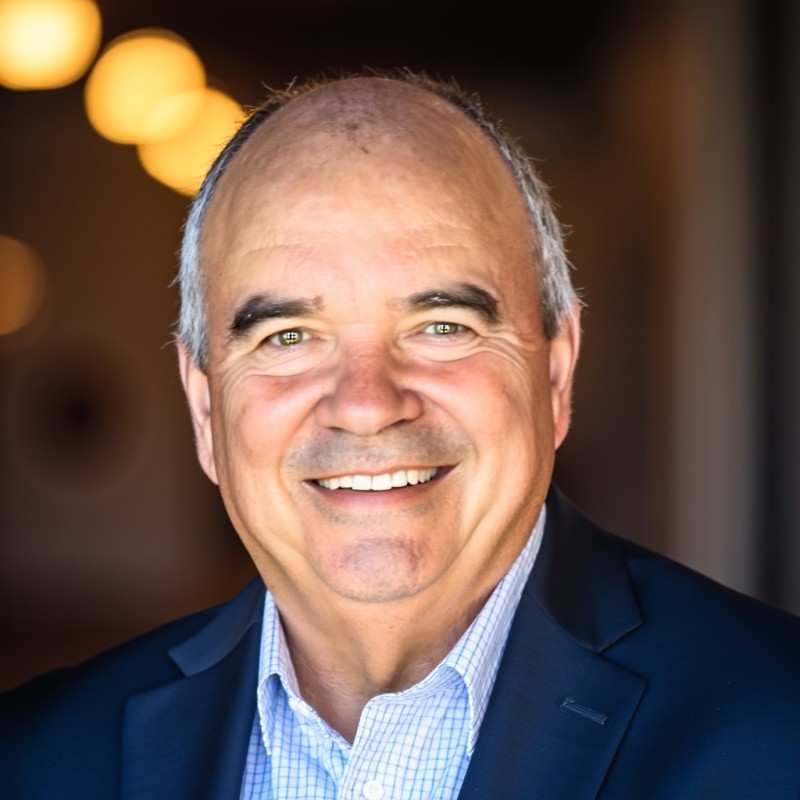
Mike Flaskey is President and Chief Operating Officer of Marriott Vacations Worldwide, the Orlando-based vacation company behind roughly 120 vacation ownership resorts and about 700,000 owner families. Appointed in February 2026, he sets the company's commercial strategy and oversees all brand, commercial and operating functions, with a mandate to sharpen sales and marketing execution and grow the lifetime value of owners through an experience-based model.
Flaskey brings more than 25 years of leadership in vacation ownership and hospitality. He was Chief Executive Officer and a board member of maritime hospitality company Hornblower Group from August 2024 to December 2025. Before that he spent more than a decade at Diamond Resorts International, serving as Chief Executive Officer from 2017 to 2021 and leading a transformation, including several strategic acquisitions, that culminated in the company's sale to Hilton Grand Vacations. Earlier in his career he held senior executive roles at Starwood Vacation Ownership and Fairfield Resorts (now Travel + Leisure), building expertise across brand, sales, marketing, operations and resort management. He serves on the board of Invited Clubs and previously served on the board of Holiday Inn Club Vacations.
This episode of The New Normal was recorded in Florida with Mike Flaskey, President and Chief Operating Officer of Marriott Vacations Worldwide. Ruben Harris is joined by co-host Jeff Herzfeld, OutRival's Head of Travel. The company has 120 resorts around the world, more than 37,000 rooms, 23,000 associates and 700,000 owner families across the Marriott, Westin, Sheraton, Ritz-Carlton, St. Regis and Hyatt vacation ownership brands. Flaskey joined in February after CEO Matt Avril, a colleague from their Starwood Vacation Ownership days, asked him to come in as president.
Flaskey walks through the full owner journey. Marriott Vacations Worldwide sources first-time buyers from the Marriott Bonvoy and World of Hyatt databases with a $199 preview stay in exchange for 90 minutes of their time, and about two in ten purchase. Those who are not ready can take the Explorer trial package. Owners use a points product that works like a currency across resorts, unit sizes and lengths of stay, and the average owner buys three to four times over the life of their ownership. Half of the roughly 500,000 annual tours are existing owners, yet they account for 70% of sales, which Flaskey credits to the housekeeping, engineering, front desk and activity teams who deliver the dream. Inner Circle, launched in June, adds curated experiences in music, culinary, television and sports for small groups of owners.
On AI, Flaskey is direct that the company is in the top of the first inning. The one application in production is Tour Logistics, a proprietary algorithm that ranks each of about 1,400 sales associates by tour type and routes tours three times a day so the best performers get the most at-bats. He sees digital workers helping next with learning why first-time guests leave without buying, hearing from owners at scale, collections, loan servicing, contact centers and preparing each stay before arrival. His position is that AI makes the team smarter and does not replace the person who welcomes an owner home.
Key Takeaways
- Loyalty is the growth engine. Half of the roughly 500,000 annual tours are existing owners, yet they account for 70% of sales. Mike credits the housekeeping, engineering, front desk and activity teams who "deliver the dream."
- Experiences keep owners in the system. Inner Circle brings the kids and grandkids of longtime owners back, and it also draws younger families who would once have chosen an Airbnb.
- The best AI win so far is matching. Tour Logistics ranks every sales associate by tour type and routes tours three times a day. Like a batting order, it gives the best performers the most at-bats.
- The next opportunity is reach. Surveys only capture part of the picture. Mike sees digital workers learning why 70% of first-time guests leave without buying, hearing from owners at scale, and preparing each stay before arrival.
- Efficiency does not mean eliminating jobs. Mike sees the value in doing both things at once: lowering costs and improving the metrics that matter. Leadership and the face-to-face moment stay human.
- Experiences are moving from luxury to necessity. This was Mike's answer on the new normal in travel.


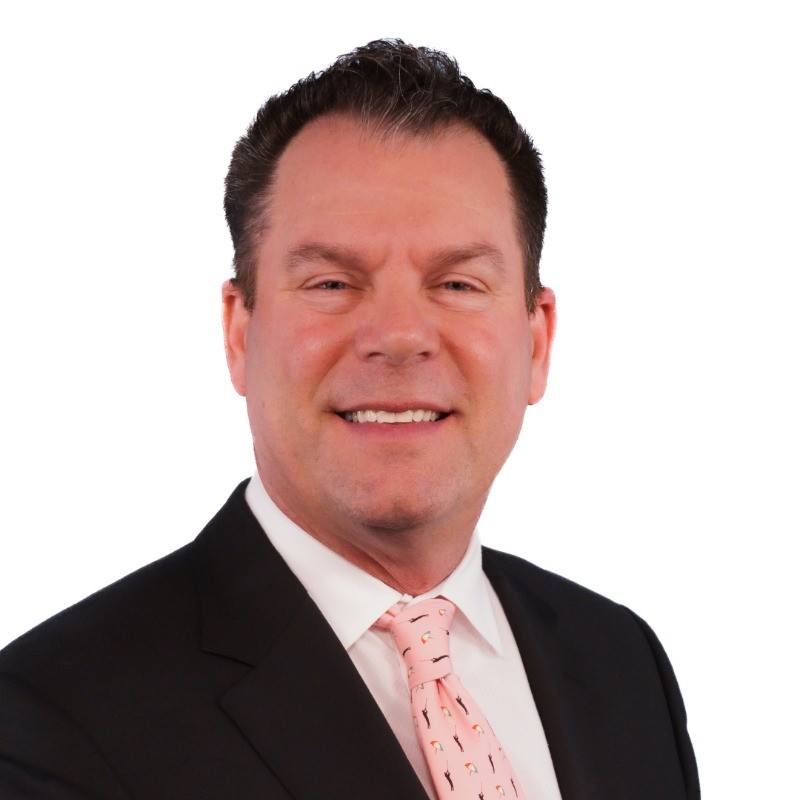



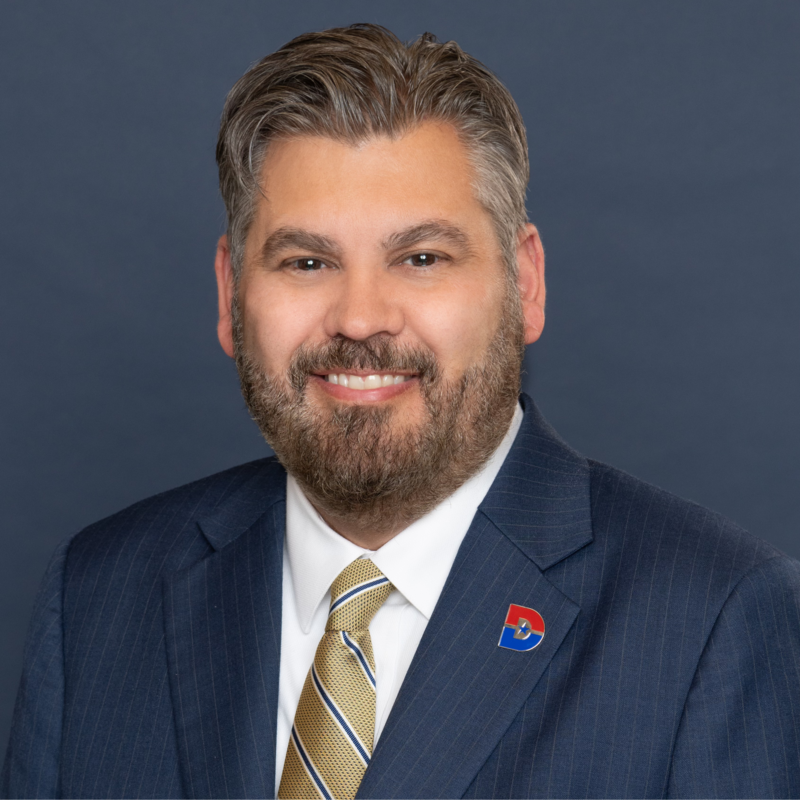

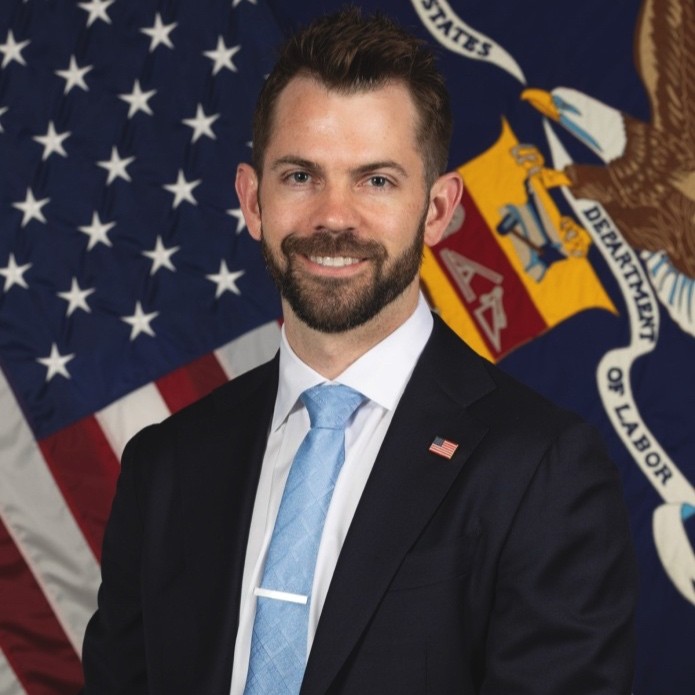




.png)