[00:00:00] Alexandra Schaffrath: Understanding how an organization can be resilient, sustainable, and be able to invest in the future is critical. How do you scale a healthcare program online? How do you get [00:00:10] outcomes for students that are not coming in every day? It's really hard in, uh, in, in this environment. It's not about the task today, it's preparing your students for the job of tomorrow.
[00:00:18] Alexandra Schaffrath: How can they be flexible? How can they [00:00:20] be adaptable? There's core learning, you know, with all of this. Can they write a prompt in AI? Um, so we've infused AI into our new curriculum going forward, and the infusion is less on can you use ChatGPT [00:00:30] or, uh, another tool, but how do you, how do you approach AI? How do you use it?
[00:00:33] Alexandra Schaffrath: How do you validate it? As we have grown in scale, we need to grow into also a financial profile that allows us to [00:00:40] meet the future, and that's not gonna come just from day-to-day operations. We cannot live in cycles that are annual anymore, and, you know, those institutions that are like, "Well, let's see what that fall enrollment is and go from there," [00:00:50] they're not gonna be around.
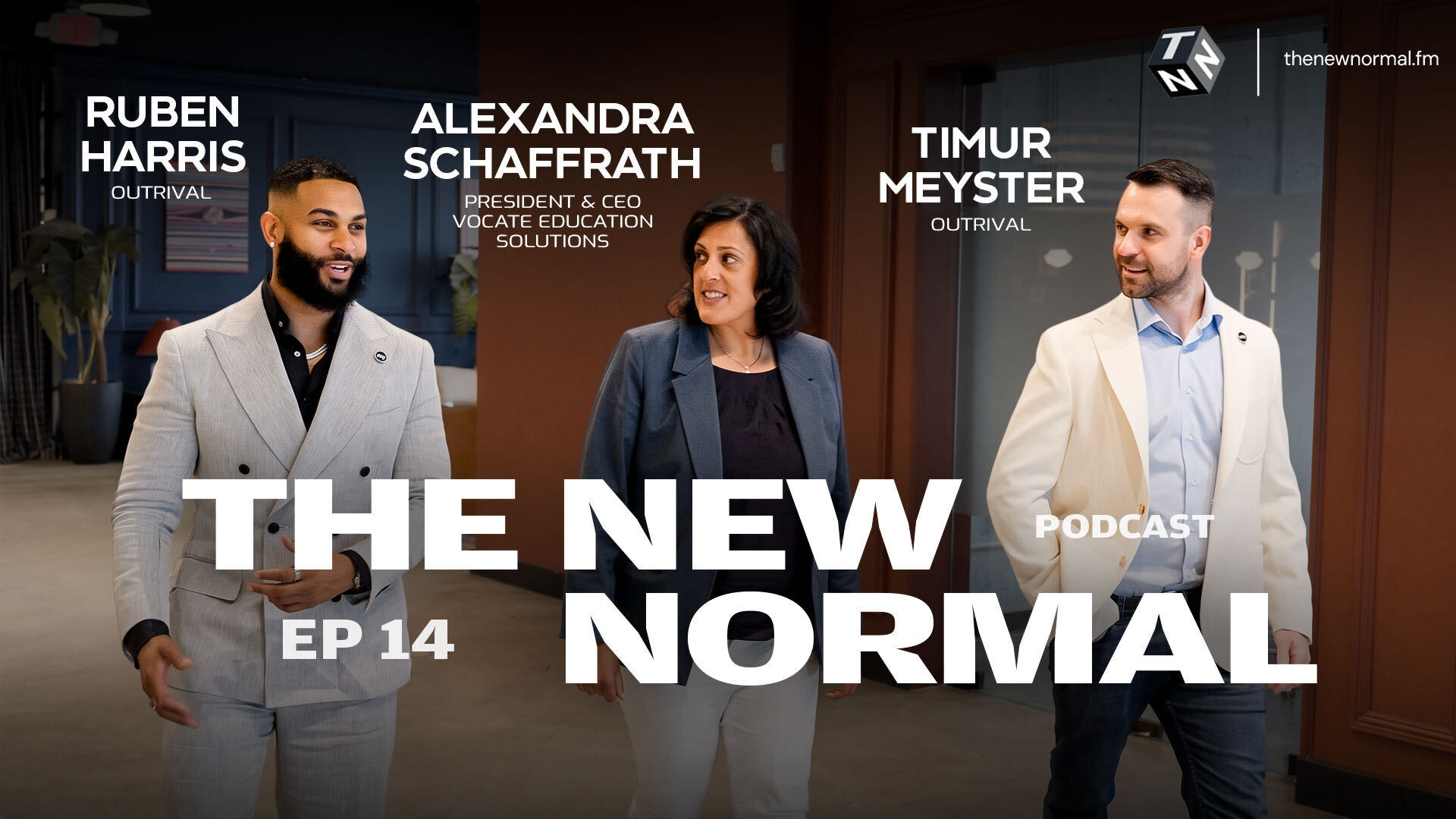
[00:00:52] Ruben Harris: Happy Monday. My name's Rubēn Harris. I'm here with my co-founder and co-host, Timur Meyster, and this is The New Normal. The New Normal is a show where [00:01:00] we go inside of organizations that are actually using AI in production at scale in a way that's making a meaningful impact in their organizations. This is not a show about hype.[00:01:10]
[00:01:10] Ruben Harris: It's a show where we interview leaders who have made the decision to reimagine their organizations with AI at its core. Today, we're in Miami, Florida. We're in [00:01:20] OutRival's headquarters, and I'm really excited to introduce our guest. Timur, can you please introduce the guest?
[00:01:25] Timur Meyster: Thank you, Rubēn. So our guest today runs one of the [00:01:30] biggest, um, healthcare education institutions, but her career didn't start, start out in the classroom.
[00:01:36] Timur Meyster: It started on Wall Street. Bear Stearns, [00:01:40] KPMG, an MBA from NYU Stern. Um, Alexandra Schaffrath is the president and CEO of Vocate Education Solutions. [00:01:50] Um, that's a national nonprofit that includes, um, the Ultimate Medical Academy that has over 25,000 working l- working adults as [00:02:00] learners. And, um, the Ultimate Medical Academy is helping adults, um, retrain themselves into healthcare professions and prepare them for their future of, [00:02:10] um, future of work.
[00:02:11] Timur Meyster: Um, on Wall Street, uh, Alexandra learned how money moves- ... and now she's helping students move their outcomes towards [00:02:20] getting jobs. And so I just wanna say, Alexandra, welcome to "The New Normal."
[00:02:24] Alexandra Schaffrath: Thank you, guys. It's so, such a treat to be here.
[00:02:26] Ruben Harris: It's nice to have you here as well. You're coming in from Tampa?
[00:02:29] Alexandra Schaffrath: [00:02:30] Tampa, Florida. Beautiful Tampa.
[00:02:30] Ruben Harris: Tampa, Florida. Yeah. So shout out to South Florida.
[00:02:32] Alexandra Schaffrath: Yeah.
[00:02:33] Ruben Harris: Um, before we get into everything, can you let us know a little bit about the scale for Vocate Education Solutions?
[00:02:39] Alexandra Schaffrath: Yeah. Now, Vocate [00:02:40] Education Solutions includes a number of brands, including, uh, Ultimate Medical Academy.
[00:02:44] Alexandra Schaffrath: Uh, we train more than 25,000 students annually- Wow ... um, and, and those are mostly in healthcare [00:02:50] careers. Uh, but we also provide training in other areas, including the trades, continuing medical education. And so, uh, we have learners pretty much in every state at this point. Um, and mostly [00:03:00] administrative side of healthcare, but also- Mm-hmm
[00:03:01] Alexandra Schaffrath: clinical as well. So a pretty broad mandate and a pretty broad scope as we go into the industry.
[00:03:06] Ruben Harris: And Timur mentioned you know how money moves- I have ... and you just got [00:03:10] promoted into this role- I did ... What role did you get promoted from, and why did they choose you for this position?
[00:03:15] Alexandra Schaffrath: Well, um, I, prior to this role, I had been, uh, the chief financial and chief strategy [00:03:20] officer, uh, for UMA at the time.
[00:03:21] Alexandra Schaffrath: I'll explain the Vocate switch. Um, and how I ended up in this role was there was a national search, uh, you know, as we had a, an incumbent president leaving and, [00:03:30] you know, I decided that this would be a great opportunity for myself, and I was so excited to have opportunity to lead this broader organization.
[00:03:36] Alexandra Schaffrath: Um, but yeah, it's, I've been in the organization now, this is my [00:03:40] 14th year, so it's been a little bit of a journey- Congrats ... and I've seen a lot- Congrats ... Yeah.
[00:03:43] Ruben Harris: So wh- why is it important to have somebody that knows how money moves in position as a [00:03:50] CEO- Yeah ... of a school.
[00:03:51] Alexandra Schaffrath: Yeah. I think for us, you know, the institution is, is a lot of different parts.
[00:03:55] Alexandra Schaffrath: And, you know, day one when I joined UMA, which was a d- very different place, uh, [00:04:00] there was a real focus on student impact, student outcomes. But we also understood we had an important place to play both for our students, as for the healthcare industry. And, um, to do that, we had to [00:04:10] exist. And so understanding how an organization can be resilient, sustainable, and be able to invest in the future is critical.
[00:04:17] Alexandra Schaffrath: And so, uh, my journey through Wall Street, my journey [00:04:20] through strategy, I mean, it's really helped me appreciate all the different forces and levers that you've gotta do to make an institution viable these days, and we hear it every day, right? So we have a lot of, of... We have a strong mission we wanna [00:04:30] pursue, and we can only do that if we, we are, we're out there in the marketplace.
[00:04:33] Timur Meyster: Yeah. Yeah. And certainly, um, the financial responsibility, the direction, the drive, um, that's a [00:04:40] very unique perspective that I believe you bring. Um, can you share a little bit about the outcomes that- Yeah ... uh, you're also driving for your students and beyond?
[00:04:48] Alexandra Schaffrath: Yeah, I think this is really what [00:04:50] differentiated us, us, not just the scale- Mm-hmm
[00:04:52] Alexandra Schaffrath: but what we do with that scale. And so, um, we are an accredit- uh, UMA, let's call it, which is about 95% of our organization right now, um, [00:05:00] is accredited by the Accrediting Bureau of Health Education Schools. It's, uh, an accreditor- Mm-hmm ... that focuses on healthcare. Uh, to be part of that accreditation, you have to meet certain benchmarks, and those benchmarks [00:05:10] are that every cohort year, 70% of your students must be retained at least.
[00:05:14] Alexandra Schaffrath: 70% of your graduates must get jobs in the field for which they train. Not just any job, but any, any field. And [00:05:20] then those students who have to pursue credentials for their field, 70% have to pass. And though, let me put this in perspective. Yeah. When we graduate, um, 12, 13,000 students a year, that's a minimum [00:05:30] of 70% of them have to go to work.
[00:05:32] Alexandra Schaffrath: Mm-hmm. That's a lot of students. I came from a pretty good, uh, university. Our career services team was, I don't know, 5 people. Our career [00:05:40] services team is 450 people.
[00:05:41] Timur Meyster: Wow.
[00:05:42] Alexandra Schaffrath: Mm-hmm. And our... You know why? Because our students come for a, a job, and we wanna put our resources where those stands. And so I, I challenge anyone to come out with better [00:05:50] outcomes at the scale that we are.
[00:05:51] Timur Meyster: Yeah. And w- we know, especially with, uh, institutions serving the working adult, uh, it's not easy 'cause- No ... when you're, when you have kids, when you have, [00:06:00] uh, you still have to- Life ... life- ... um, childcare, um, it's every... The adults have every reason to kinda drop o- Yeah ... drop out. Um, can you share [00:06:10] about, like, what do you...
[00:06:10] Timur Meyster: So you mentioned coaches- Yeah ... about 400 of them. What else are you guys doing in terms of driving these types of outcomes on the student journey?
[00:06:18] Alexandra Schaffrath: Yeah, so this is really a part and parcel [00:06:20] of who we were. I joined the organization, as I mentioned, in 2012, early 2012. Mm-hmm. Uh, but the sc- the organization actually went to online education in 2008 when the, when nobody was [00:06:30] going into healthcare education online.
[00:06:31] Alexandra Schaffrath: Like, when I heard about it, I was like, "What are you-- Nobody does this," because it was hard. Pre-COVID. Pre-COVID. Slightly around an ec- another economic cycle. Pre-mobile. Uh, yeah. [00:06:40] Pre-computers, not quite. Um, and nobody had really done this because a couple things. One, how do you scale a healthcare program online?
[00:06:48] Alexandra Schaffrath: How do you get outcomes- Mm-hmm ... for students that are [00:06:50] not coming in every day? It's really hard- Yeah ... in a- in, in this environment. But from the day one, that was the focus of what we did. Mm-hmm. And so we built the whole organization around ensuring the students got [00:07:00] the return on investment by not just graduating, by getting jobs.
[00:07:03] Alexandra Schaffrath: And so our whole organization is built around that. So I mentioned 400 people in career services. There's another 400 that are supporting the [00:07:10] students along the way, um, in what we call learner support. And then there's more, 400 or eight, 600 more that are helping students start their journey here. Almost 80% of our 3,000 [00:07:20] employees are focused on students.
[00:07:21] Alexandra Schaffrath: Mm-hmm. That's a, a lot. I want other organizations to think about the, both the investment and the systems and architecture. Mm-hmm. Um, and so that's our [00:07:30] differentiation. We early on said we stand apart because we-- students who come to us, you mentioned the working adults. Mm-hmm. Many of them have gone to community colleges and other schools, not the, no fault of them.
[00:07:39] Alexandra Schaffrath: They didn't [00:07:40] succeed. They did not have the support. Um, you mentioned the, um, the types of responsibilities they have. You know, a day in the life of some of our students would be a year for some [00:07:50] of us. Like, we'd still be talking about the day that, you know, our tire blew up on the highway and we didn't get to s- like, that's Tuesday for our students.
[00:07:56] Alexandra Schaffrath: Mm-hmm. And we have to have them come through from where they are today to the [00:08:00] career they wanna get to, and that takes a very hands-on personal approach for each student to do that, and the only way we do that is through human engagement.
[00:08:07] Ruben Harris: Yeah. So speaking of human engagement, [00:08:10] 3,000 employees- Yeah ... 25,000 students- Yeah ...
[00:08:14] Ruben Harris: different time zones
[00:08:15] Alexandra Schaffrath: Yep ...
[00:08:16] Ruben Harris: nine to five work schedule.
[00:08:18] Alexandra Schaffrath: Yeah.
[00:08:18] Ruben Harris: How do you provide 24-hour [00:08:20] human support for them?
[00:08:21] Alexandra Schaffrath: So we don't provide 24 hours, but we do provide pretty strong coverage across the day. Um, and then after hours, we're there to be able to provide some opportunities for them to [00:08:30] engage with us, ask a question, and get back to them.
[00:08:32] Alexandra Schaffrath: So what becomes-- what I learned when I joined was the lifeblood of our organization, we don't see our students, we can't tell if they're in a good mood, if they're doing well, is data. [00:08:40]
[00:08:40] Timur Meyster: Mm-hmm.
[00:08:40] Alexandra Schaffrath: Data tells us how a student is doing. Did they go to class? How are-- You know, their grades seem to be sliding. Is something going on in their life?
[00:08:46] Alexandra Schaffrath: Mm-hmm. The data is the, the blood that runs through the [00:08:50] organization and helps us understand how we intervene, and those interventions are data, um, and statistically driven to help our students be successful.
[00:08:57] Ruben Harris: Yeah. And given how forward-thinking you were [00:09:00] going online-
[00:09:00] Alexandra Schaffrath: Yeah ...
[00:09:01] Ruben Harris: we did talk about the, the way you provide human support, but we also did talk about your vision- Yeah
[00:09:07] Ruben Harris: around 24-hour support. Yeah. Can you talk about your [00:09:10] thoughts on how technology might be able to provide that 24-hour support for people?
[00:09:12] Alexandra Schaffrath: Yeah. And that's really what it is, is we want all our students to be able to, um, find somebody and have somebody support them at the [00:09:20] moment they need. So our students are working adults, right?
[00:09:22] Alexandra Schaffrath: Mm-hmm. Many of them do, uh, their schoolwork 10:00 PM at night, midnight, because that's when they've got the time to do it. Um, we don't want them to feel like they've [00:09:30] hit a wall at 2:00 in the morning, and so how can we use agents or automated services for our students to engage with, um, at least to get them through that particular hurdle.
[00:09:39] Alexandra Schaffrath: Mm-hmm. And then [00:09:40] we can come back if it's a ca- we can't help them with a life issue at that moment, but we can help them get through a, a chapter in, in their learning. Yeah. And so we are focused on and thinking about automation, how to do that, and [00:09:50] increasing self-service for students so they also find a way forward.
[00:09:52] Alexandra Schaffrath: So there's-- You guys have all been there, right? Customer service. You need something- Yeah ... in that moment, and then that doesn't work. Um, so we wanna be able to expand that, and that's where [00:10:00] technology's gonna come in. More self-service, more automation. Um, you know, one thing our students do a lot of is get ready for interviews, like-
[00:10:06] Ruben Harris: Mm-hmm
[00:10:06] Alexandra Schaffrath: we'd love them to do 50 automated interviews. Great. Yeah. The, the [00:10:10] resume prep person isn't there, just have at it with a tool. Yeah. And so we're working on putting all of those in right now.
[00:10:15] Ruben Harris: Makes sense. What kind of systems do you have in place now-
[00:10:18] Alexandra Schaffrath: Yeah ...
[00:10:18] Ruben Harris: as you all get [00:10:20] ready for your agentic future?
[00:10:23] Alexandra Schaffrath: We, again, we have a lot of data on our students.
[00:10:25] Alexandra Schaffrath: Um, what I think we have more than that, though, is an innate understanding- Okay ... of our students and what they [00:10:30] need and the impact that we can have on them. And so, um, every student is different, but we have a lot of ways to understand if a student's having a bad day, how do you encourage them to get there?
[00:10:38] Alexandra Schaffrath: Mm-hmm. Um, and so we [00:10:40] understand our processes well and our impacts well, and all we ne- then we can replicate that in technology. If you don't know a question, it's hard to put an agent to work.
[00:10:47] Ruben Harris: True. True.
[00:10:47] Alexandra Schaffrath: You don't know if, if the answer's right, hard to know if it came out [00:10:50] correctly. True. So.
[00:10:51] Ruben Harris: What, um... We talked about metrics-
[00:10:53] Alexandra Schaffrath: Yeah
[00:10:53] Ruben Harris: and how you all are measured. You talked about how you all are independent- Yeah ... and financially sustainable. Yeah. [00:11:00] What metrics are you looking to move in your operations from a human perspective, but also how can you, like, further that beyond with technology?
[00:11:08] Alexandra Schaffrath: For us, it's, it [00:11:10] really is about student outcomes- Mm-hmm
[00:11:11] Alexandra Schaffrath: and employer engagement. So employers are at very much at the center of what we do. If the employers are not getting value out of our graduates, we kinda shouldn't exist. Mm-hmm. And so the metrics we [00:11:20] look at are first and foremost student placement. Mm-hmm. And, and there's a dimension around that. Did they get a job or not in the field they trained?
[00:11:26] Alexandra Schaffrath: Very important. Mm-hmm. What are they making- Yeah ... when they get that job? Uh, and not just at the [00:11:30] first job. Are they able to progress to the second job, the third job? How do we create mobility for them to go forward? And so those are the types of metrics that we're increasingly focused on, and that's gonna tell us if this [00:11:40] is working or not.
[00:11:40] Alexandra Schaffrath: I-
[00:11:40] Ruben Harris: I, I like that you talked about money from a student job perspective
[00:11:46] Alexandra Schaffrath: Yeah
[00:11:47] Ruben Harris: Without disclosing anything confidential, [00:11:50] what are the money implications of moving these metrics for a school in general as you're thinking about these things?
[00:11:57] Alexandra Schaffrath: I mean, at the end of the day, if students want to be able to get [00:12:00] a great return on investment, they're gonna go to someone where they feel that they're gonna get what they've been promised, right?
[00:12:05] Alexandra Schaffrath: Mm-hmm. Um, so at the end of the day, students wanna invest their time- Mm-hmm ... which is [00:12:10] effectively what they're doing, their money, because they're getting financing to be able to get that job. Mm-hmm. And so we want students to see that value, and that's how we do it. And so we're really, really focused on that, um, big [00:12:20] picture because the students are giving-- The opportunity cost is very high for these students.
[00:12:24] Alexandra Schaffrath: Yeah. 'Cause as you said, at midnight, they'd rather be sleeping.
[00:12:26] Ruben Harris: Yeah.
[00:12:26] Alexandra Schaffrath: But they see the future here, and if we don't deliver that, it's not gonna work for us.
[00:12:29] Timur Meyster: [00:12:30] Yeah. Yeah. And I'm curious to hear, like, the feedback you're hearing from the employers. Obviously, OutRival being, um, a startup-
[00:12:39] Alexandra Schaffrath: Yeah ...
[00:12:39] Timur Meyster: uh, [00:12:40] we get to see, like, the impact, the large language models- Yeah
[00:12:43] Timur Meyster: these coding agents are having on the ability to c-create and build. Yeah. Um, personally, I don't subscribe to this [00:12:50] view, but, uh, you probably have heard in Silicon Valley, there are some companies that believe, like, it's only a matter of months or maybe a few years until all jobs are gonna [00:13:00] be kinda, uh, automated away.
[00:13:02] Timur Meyster: Uh, what is your view, and what are you actually hearing on the ground from the employers that are hiring healthcare workers?
[00:13:08] Alexandra Schaffrath: So there's-- That's a really good [00:13:10] question, and we get a lot of input. You know, we have very close-- We work with, uh, thousands of employers, some of them, hundreds of them, where we place, you know, hundreds of graduates a year.
[00:13:18] Alexandra Schaffrath: Um, so we're hearing two kinda [00:13:20] streams of thought. Just like everybody, they're, uh, most healthcare systems or the related entities are looking to reduce cost of low-value work, so certain tasks are gonna get automated out. Um, [00:13:30] and so what does that mean for us is it's not about the task today, it's preparing your students for the job of tomorrow.
[00:13:35] Alexandra Schaffrath: How can they be flexible? Mm-hmm. How can they be adaptable? There's core learning, you know, with all of this. [00:13:40] Can they write a prompt in AI? Um, so we've infused AI into our new curriculum going forward, and the infusion is less on can you use ChatGPT or, uh, another tool, but how do you, how do you [00:13:50] approach AI?
[00:13:50] Alexandra Schaffrath: How do you use it? How do you validate it? Mm-hmm. So that's a big part of what we're doing. The other side where we place students is the clinical side, and we're hearing the opposite. People still want care. Mm-hmm. People are [00:14:00] not wanting a robot running into their room to be delivering any sort of care when they're in a health crisis.
[00:14:04] Alexandra Schaffrath: Uh, and so for our side, it's actually, um, how do they use the different systems that have [00:14:10] AI, but how do they focus on care? And so what we're hearing actually is AI creates more opportunity for care. And I can give you a great example. I was down last year, went to our [00:14:20] local hospital, Tampa General, and did a tour of their cath lab- Mm-hmm
[00:14:23] Alexandra Schaffrath: and it's impressive. Well, AI can do the scans, uh, put the scans together faster, which means they can see a few more st- uh, patients [00:14:30] faster, and that's a big deal for them because, you know, someone in a, in a tough situation wants to be scanned as fast as possible. And so without the tech having to read every single scan, it cut the time down a little [00:14:40] bit.
[00:14:40] Alexandra Schaffrath: They can see a lot more patients. And so for our s- our team members that are going into clinical roles, I expect they're gonna get busier. There's gonna be more- Yeah ... provision of healthcare. I'm excited about that. On the administrative [00:14:50] side, what's next for them? Where's the value? And it usually is about, um, how do they drive more revenue?
[00:14:55] Alexandra Schaffrath: Can they reduce cost? Can they make care get there faster? It's less about moving papers- [00:15:00] Mm-hmm ... at this point.
[00:15:00] Timur Meyster: Yeah. No, I, I can definitely relate to that 'cause when I was, uh, my wife, uh, gave birth a few months ago-
[00:15:06] Alexandra Schaffrath: Congrats.
[00:15:06] Timur Meyster: Yeah ... and thank you. And when I was at the hospital and I was looking at the [00:15:10] nurses and the care that she was getting, at no point I felt like my wife, uh, was reaching out for more AI.
[00:15:15] Timur Meyster: She needed that kind of nurse to come in and hold her hand throughout the process. [00:15:20] And, um, I think what, uh, kind of the world we're living in is, to your point, uh, it is creating the opportunity to give more time to the, to the workers. Um, [00:15:30] what are, what are your thoughts on, um, how do you, uh, like how do you equip the students as they're going through this learning journey?
[00:15:37] Timur Meyster: Um, I know currently, uh, [00:15:40] some, some of our customers, some of the conversations that Rubēn and I are having, schools are beginning to introduce, like you mentioned, like how do you prompt- Yeah ... and that type of, um, kinda that type of [00:15:50] learning into the material. But, um, on the administrative side, do you see in the future, like, your students, um, having an AI tutor or an [00:16:00] AI- Mm
[00:16:00] Timur Meyster: uh, companion or do you feel like, um, that's still gonna be handled by the faculty and the staff and AI is gonna play maybe a role when there's a customer support [00:16:10] ticket or something along those lines?
[00:16:11] Alexandra Schaffrath: Hmm. I think it's gonna be all throughout the institution and the delivery of learning. I think responsible use of AI is, is an important thing to teach everybody and, and [00:16:20] we want our students to be comfortable- Mm-hmm
[00:16:21] Alexandra Schaffrath: in that environment. Um, but there's things like critical thinking that are still very hard to be taught through AI. So we want them to be ready, like for any tool that we would teach them [00:16:30] for, um, and ready to think about that. But the biggest thing we've heard from employers is flexibility. We- it's hard.
[00:16:35] Alexandra Schaffrath: They, they can't predict what the role is gonna look like. How do we train somebody so they're ready for the role in [00:16:40] two years, five years, and what does that look like- Mm-hmm ... from a skills perspective? Um, so they've got the hardcore, um, capabilities, but they have to be flexed in, in dir- different ways. Uh, [00:16:50] on the faculty side, we definitely wanna use AI to help, you know, curriculum development, um, not just service too.
[00:16:56] Alexandra Schaffrath: I think, you know, for our students, yeah, I'd love them to have more, you know, [00:17:00] engagement from a tutor if that helps them get to something. Um, but we can see it in, in almost every part of what we do, even, you know, on my boring finance side, and I shouldn't say that. I know one of my colleagues are gonna listen.
[00:17:09] Alexandra Schaffrath: [00:17:10] Um, it's, we wanna get people out of low value-added human tasks into higher value-added h- care tasks, which AI is not particularly- Yeah ... good at right now. Yeah. And that's, that's both on the employer and student side.
[00:17:19] Ruben Harris: [00:17:20] Mm-hmm. On the employee side, so you've talked about how students start learning how to use AI. Um, how are you helping faculty learn AI, and who have you [00:17:30] empowered to make decisions about how technology's introduced in your organization?
[00:17:34] Alexandra Schaffrath: Yeah, no, it's a really good question. We're still in the early stages. I'm not gonna lie and say we're on the bleeding edge. [00:17:40] Um, with our faculty, it's-- We are promoting responsible use and certain tools that they can use within our system. Uh, I'd say it's fairly nascent, and we're looking for great use cases.
[00:17:49] Alexandra Schaffrath: Internally, [00:17:50] we have a team called the AI Raiders. I'm not sure where that name came from, but- Sure ... I inherited it, so I'm gonna keep it. I like that, yeah. Uh, and they help us look at use cases across, and we're getting it from all sorts of places across the [00:18:00] organization. What does that look like? Is it a great place for us to spend time in, and how do we take it forward?
[00:18:05] Alexandra Schaffrath: So ideas come from all over the organization. You can imagine we have hundreds of advisors- Mm-hmm ... engaging [00:18:10] with students, and they're saying, "This could be done better this way."
[00:18:12] Timur Meyster: Mm-hmm. "
[00:18:12] Alexandra Schaffrath: Should we?" And this team comes together, makes sure governance, makes sure it's used appropriately, um, and that it's, uh, able to be implemented in a way that has integrity.
[00:18:19] Alexandra Schaffrath: [00:18:20] So we do have a team that's focused on it, and we have episodic, um, pilots across. Um, but we have some work to do on our own data, et cetera- Mm-hmm ... um, to make sure it's actually [00:18:30] fundamental. We haven't seen it tip to change anything we do specifically. We have seen it make it faster and a bit more, um, accurate, I'd say.
[00:18:38] Alexandra Schaffrath: Yeah. Yeah.
[00:18:39] Ruben Harris: [00:18:40] What, what, how, what's your perspective on pilots?
[00:18:44] Alexandra Schaffrath: So I like pilots. Mm-hmm. I think it's just what are we trying to get out of the pilot? Mm-hmm. I think that's often hard for people. We'll have like the [00:18:50] shiny object, right? Mm-hmm. They'll go, "Amir, oh, let's do it." Mm-hmm. But what are you, what are you hoping to get out?
[00:18:53] Alexandra Schaffrath: Mm-hmm. So we like pilots to see what they are. I think the challenge is how scalable is the pilot. Yeah. And, and I would say that, you know, one of my colleagues said like, [00:19:00] "Why bother with pilot? Just do it." And candidly- Sure ... kind of in that camp a little bit, you know? Yeah. And we often call things pilots, but it just means it's probably month one versus month 10.
[00:19:08] Ruben Harris: Yeah. Yeah. So. Mm-hmm. Do you [00:19:10] time box them? Yeah. Do you-- I know you said where, where's it gonna go, but how do you structure this and like how long does it go to like I'm thinking about doing a pilot to like making a decision for [00:19:20] pilot? You know, just like kinda like behind the scenes- ... like behind the music type of stuff that people wanna know.
[00:19:24] Alexandra Schaffrath: Uh, we, we, we're not, we, we have 'em all over, and sometimes they're formal, and sometimes they're informal. Mm-hmm. [00:19:30] Uh, we try to time box them and also, how should I say, say here's our thesis and then test it, right? Mm-hmm. I mentioned data's kind of a lifeblood of what we've got, so we'd use a lot of data. Um, but yeah, I would say [00:19:40] typically for our students, it depends on where in the life cycle.
[00:19:42] Alexandra Schaffrath: Three months is probably where- Okay ... we start to see whether it's working. Some results. If it's upfront, if it's, uh, of course, if it's a graduation-related or placement, you [00:19:50] gotta wait 18 months to see that, and that's a tough one. So- Yeah ... we try to find a leading indicator- Yeah ... uh, to do that. Um, but they, from our operational side, they're pretty fast and furious, and I would say even on [00:20:00] our, um, we have a shared services organization.
[00:20:02] Alexandra Schaffrath: There's a lot of cases for that, whether it's legal or whether it's procurement, you know, to try to think about how they can do their jobs and again, add the value versus just [00:20:10] moving things around, and so.
[00:20:11] Ruben Harris: I'm sorry to go too deep on this, but like- ... we bring up shared governments- Yeah ... and like who makes decisions.
[00:20:17] Ruben Harris: Do you empower your staff to make decisions on their [00:20:20] own about pilots, or is there a chain that has to be run up? I know every school has different ways of doing this- Yeah ... but how does that work? Can people make decision on their own, or does it have to go up to you, or how's it work?
[00:20:29] Alexandra Schaffrath: Well, I do like to let [00:20:30] people make decisions on their own.
[00:20:31] Alexandra Schaffrath: Yeah. But, uh, we look to-- like to have awareness, uh, uh, particularly for things like, um, AI, just make sure there's no cyber risks and things like that. Um, but we try [00:20:40] to be fairly independent. And, you know, I'm newer into this role. Mm-hmm. This is something I b- believe in. So as long as we agree on the guardrails, I don't think we need to throttle the innovation.
[00:20:47] Alexandra Schaffrath: It's gonna happen. Yep. Uh, we just can't have 30 [00:20:50] tools running in our system right at any point, so we've gotta figure out which are the ones we wanna do, if it's a technology pilot. Yeah. But, um, there's a lot of conceptual and process-related, uh, pilots, and, and those can kinda go. [00:21:00] Yeah.
[00:21:00] Timur Meyster: Yeah. Nice. And ear- earlier you mentioned, um...
[00:21:03] Timur Meyster: By the way, congrats on the big promotion. Thank you. Um, so can you maybe share the vision, uh, kinda going from leading [00:21:10] Ultimate Medical Academy to now leading this whole kinda national nonprofit? What is your vision for where, where you're tr- where you're trying to take it, and also kinda either new [00:21:20] things or things you're looking to change and bring to market?
[00:21:22] Alexandra Schaffrath: Yeah. So, you know, the vision is really this: the, the demand for qualified talent is unending. You know, and even if we just start in healthcare, [00:21:30] um, there's no shortage of where we could serve, and we're not gonna be a silver bullet. Mm-hmm. We will never own the whole market. Um, but we do believe that there's opportunities beyond where we serve, particularly, for example, [00:21:40] growth on the clinical side.
[00:21:41] Alexandra Schaffrath: We have a smaller amount of graduates in that area. We think that can grow to be a meaningful size across the country, and so we are looking for that opportunity both organically and through [00:21:50] acquisition. So that's a big vision. But our vision is to, I think, be a much more significant player in the provision of talent across the life cycle of an employee.
[00:21:57] Alexandra Schaffrath: Mm-hmm. So certainly we appreciate people wanna [00:22:00] start their career somewhere, and we're very comfortable, but they often wanna continue them, too. They wanna take the next step, get a credential, get a promotion. We're here for that, too. We have a B2B organization called Nasium [00:22:10] Training. They go in and work with employers on a bespoke basis to get some of their employees trained up to next level- Mm-hmm
[00:22:15] Alexandra Schaffrath: or be able to do more. Um, and I think there's just growth in all of those areas. So our [00:22:20] vision is to be not a one-stop shop, 'cause that sounds kinda like hokey, but to be a place people know that they can get their talent trained, however you define it. And u- ultimately, it's basically [00:22:30] about staffing. They have the people, they have the pipeline, they know they can deliver the care.
[00:22:33] Ruben Harris: Mm-hmm. Okay, you talk about that mission. So we talked about your current scale.
[00:22:37] Alexandra Schaffrath: Yeah.
[00:22:38] Ruben Harris: How big is the [00:22:40] problem that you all are solving?
[00:22:41] Alexandra Schaffrath: Yeah. Yeah
[00:22:42] Ruben Harris: And what dent are you currently making, and where are you going to, to, to address that?
[00:22:46] Alexandra Schaffrath: So, I mean, so it's not insignificant where we serve. We have pretty large market share on the [00:22:50] administrative side.
[00:22:50] Alexandra Schaffrath: We're certainly serving that market. On the clinical, we have a lot of places to grow, um, and I see that ambition. And so I don't wanna throw out numbers because I think that's not the point. The [00:23:00] point here is we think there's many more, um, jobs, roles, shortages that we can help eat into- Yeah ... um, that are meaningful and measurable, that we're wanna do [00:23:10] that.
[00:23:10] Alexandra Schaffrath: And so that's a focus for us. And that doesn't even include where Vocate, which is not specific to healthcare, could go, trades, other parts of the, um, you know, life cycle of an employee. [00:23:20] So we see a tremendous amount of upside to what we do.
[00:23:22] Ruben Harris: Well, how big is the current problem? Like just, not necessarily where Vocate can go and-
[00:23:25] Alexandra Schaffrath: I'd say, like, isn't it, like, 20 million in a shortage?
[00:23:27] Alexandra Schaffrath: Something like that, yeah. I don't, yeah. I've got Crystal who's got the [00:23:30] number. Yeah. But it's an annual shortage, and it's not getting any better.
[00:23:32] Timur Meyster: Yeah.
[00:23:33] Alexandra Schaffrath: Uh, and I think certain new regulations are gonna make it even harder to find some of the talent. Um, and so nobody has eaten into this [00:23:40] problem.
[00:23:40] Alexandra Schaffrath: Mm-hmm. And it's gotta be a partnership to solve it. So healthcare un- um, systems have to understand talent can come from many different places. Mm-hmm. And then the people who provide healthcare, like us, have to be [00:23:50] able to provide qualified talent that's actually meeting the needs. You know, if HCA needs a cer- certain type of skill set for a medical assistant, we can't just treat the same way we done it, we've done it for 10 years.
[00:23:59] Alexandra Schaffrath: Mm-hmm. [00:24:00] We've gotta be adaptable to that. So it takes a village, um, and it's gonna take, I think, some pretty serious growth across the or- um, across the spectrum to get there.
[00:24:08] Ruben Harris: Makes sense.
[00:24:09] Timur Meyster: And [00:24:10] also, like, what are the things that you guys are doing differently in order to have that engine behind the scenes kind of driving this growth?
[00:24:16] Alexandra Schaffrath: Yeah. Um, so you know, we were, in 2008, [00:24:20] basically a startup. I mean, I think we had-- At that time, we were a for-profit entity that had been bought. I think, um, UMA started, and I think this is in 2005, as 32 students [00:24:30] that an in- investor group- Wow ... bought. Um, and, you know, they grew it on ground, you know, a, a couple thousand, and, and then they wanted to go online.
[00:24:39] Alexandra Schaffrath: But through all [00:24:40] that, it was bootstrapped. So, um, that's the philosophy, and our philosophy had always been we are doing things different than everyone else, and so we want to control that a bit, and we knew we had the model to be differently. [00:24:50] So we had to be, create enough financial, uh, wherewithal to be able to reinvest into that growth and the things that were important to us.
[00:24:57] Alexandra Schaffrath: And so financial stability, uh, a [00:25:00] focus on making sure we had, um, money in the bank to do what we needed to do was really important because the most important thing was the commitment to our students. And if we couldn't live up to that, that was really gonna be an issue. Mm-hmm. And so [00:25:10] over time, as we have grown in scale, we need to grow into also a financial profile that allows us to meet the future, and that's not gonna come just from day-to-day operations.
[00:25:19] Alexandra Schaffrath: And so, [00:25:20] um, you know, I think with every year when we think about our capital, some is sustaining the current, a lot is sustaining the future- Mm-hmm ... and we have to be able to make that, uh, work. And so, [00:25:30] um- I, I think for us, the way we would look at the funding, we'll love to take in funding that supports our students, reduces their debt, you know, allows them to work at, you know, have an employer [00:25:40] fund their, uh, tuition.
[00:25:41] Alexandra Schaffrath: But beyond that, all our money goes back into the institution. 100% of what we earn goes back. Mm-hmm. And, and we're, we're proud of that because at the end it's, it's benefiting the students and our mission.
[00:25:49] Timur Meyster: [00:25:50] Yeah. Are there, are there any challenges with this model in terms of, um... I know you came from the kinda business world.
[00:25:56] Timur Meyster: Yeah. Um, are there, I guess, aspects of [00:26:00] operating a nonprofit where you're like fee- you feel like, um, you are maybe constrained on taking certain decisions? [00:26:10] Or, um, is it, uh, I guess, easier to run a nonprofit and scale that, that, uh, impact versus, uh, running a business?
[00:26:18] Alexandra Schaffrath: That's a good question. [00:26:20] Um, I've been on both sides.
[00:26:21] Alexandra Schaffrath: Uh, I think it's- culturally, we run very dynamically, and so I think people understand that there's, like, a rhythm and we move. So it's not, you [00:26:30] know, we don't close in the summer or anything like that. Mm-hmm. Yeah. We're constantly moving. I think the biggest challenge, candidly, can be around people, and I'll tell you why.
[00:26:37] Alexandra Schaffrath: As a nonprofit, we don't have equity. We [00:26:40] don't have, you know- Mm-hmm ... appreciation rights or anything like that. And so we need to make sure we're recruiting people who are here for the right reasons for mission, because that's gonna always be a constraint- Mm-hmm ... versus a [00:26:50] for-profit. Other than that, I can't say I feel, um, a lot of restriction being a nonprofit.
[00:26:55] Alexandra Schaffrath: I think for us, it's grounded our employees into our mission-
[00:26:59] Timur Meyster: Mm-hmm ...
[00:26:59] Alexandra Schaffrath: [00:27:00] and why we do... It's, it's hard work what we do, you know? And if you're in it for the salary, you're probably not gonna do very well in our organization. So, um, it's a great question, but I think for-profit, not-for-profit's not the question.
[00:27:09] Alexandra Schaffrath: It's, [00:27:10] it's mission and impact. Mm-hmm. You know, and you can have that, you know, in a public benefit corp or, or something. But we're still hungry to be able to solve the gap in talent, and that hasn't changed whether or not we are for-profit or not-for-profit. Yeah. [00:27:20]
[00:27:20] Timur Meyster: No, the, the reason I ask this question is there's obviously a well-known, uh, kinda nonprofit that created a business arm and- Yeah
[00:27:26] Timur Meyster: you guys, uh, took the other way ar-around- Yeah. We didn't do that ... going from a [00:27:30] business to a nonprofit. So- Yeah ... it's interesting to hear kinda the emphasis on, like, the mission- It is ... really matters and, um-
[00:27:37] Alexandra Schaffrath: That's why we converted, candidly- Yeah ... was because I think, uh, people [00:27:40] were characterizing us with, um, uh, other type of institutions that we just didn't look like.
[00:27:45] Alexandra Schaffrath: In fact, we would go out to market, you know, to the bankers, and they're like, "You don't make enough money." [00:27:50] And then, you know, then the irony is of course, okay, we're a nonprofit, and now you don't look like... You know, it's just we're trying to be a good player- Yeah ... and a good actor focused on our mission.
[00:27:56] Timur Meyster: Yeah. And, and I think there's also a level of maybe the tru-trust you get from [00:28:00] your students-
[00:28:00] Alexandra Schaffrath: That's correct, and our employers.
[00:28:02] Timur Meyster: Yeah ... that realize you're doing it for the right reasons.
[00:28:03] Alexandra Schaffrath: Yeah, same. Yeah. And our employers as well. Uh, and we do occasionally participate with grant funding, and that's certainly a positive.
[00:28:09] Alexandra Schaffrath: But we're [00:28:10] not, um, a disguised not-for-profit- Mm ... in case that was the question. Yeah. We are a absolute true mission focus- Yeah ... and take it very seriously about how we operate and the governance that's required to maintain that status.
[00:28:19] Ruben Harris: Of course. [00:28:20] Yeah, Timur talked about your glittering business resume.
[00:28:24] Ruben Harris: But you also come from a liberal, liberal arts background- I do ... Can you talk about why that makes you [00:28:30] more qualified for your position?
[00:28:32] Alexandra Schaffrath: Well, I'm hungry because I came out of liberal arts. Uh-huh. So I didn't know what I was gonna do. Yeah, I studied, uh, international relations as an undergrad and thought I was going in the foreign service.
[00:28:39] Alexandra Schaffrath: [00:28:40] Um, really passionate about politics and history. Um, but ultimately wasn't gonna get a great paycheck from that. So, um, you know, a recruiter came around and said, "Hey, you wanna go into business and learn the [00:28:50] skills?" And, and I did. And what that taught me was, you know, that liberal arts background, because you have gotta trade, you know, a certain amount of math, humanities, all that, real flexibility.
[00:28:58] Alexandra Schaffrath: So not deep in [00:29:00] anything but an awareness, and that really helped me. And then I got my MBA to really focus on my skills. Um, but I-- my career is, you know, ebbed, flowed, up, down, to the side, and I don't think I could've been adaptable [00:29:10] without that critical thinking and that root in liberal arts, and the confidence that, yeah, I might be able to see a parallel from something I learned in, you know, psych class and, you know-
[00:29:17] Ruben Harris: Yeah
[00:29:17] Alexandra Schaffrath: many moons ago.
[00:29:18] Ruben Harris: Yeah. And, [00:29:20] um-
[00:29:20] Alexandra Schaffrath: So all you liberal arts grads, it's okay.
[00:29:22] Ruben Harris: Shout out to the liberal arts grads. Um, given all the shifts in, with presidents and provosts and-
[00:29:29] Alexandra Schaffrath: Yeah ...
[00:29:29] Ruben Harris: [00:29:30] higher ed right now-
[00:29:31] Alexandra Schaffrath: Oh my gosh ...
[00:29:31] Ruben Harris: what is the hardest thing about being a president and a provost, and right now? Yeah, that's, that's my first question.
[00:29:39] Alexandra Schaffrath: I think it's just, [00:29:40] I mean, the markets and the industries never work faster, which is ironic when you talk about higher ed and healthcare, right? But they are. The cycles are shorter. The expect- expectations on, uh, [00:29:50] results is very high. Wow. And so it is a very tough, um... The, the agenda and mandate is wider than it's ever been.
[00:29:56] Alexandra Schaffrath: Mm-hmm. And so when you think about these leaders, you know, I think in the past they ran [00:30:00] academics and they made sure the campus was stable. Mm-hmm. Now it's like, what's your AI strategy? Um, what do your financials look like? How are you responding to regulations? It's a lot. It's, and it's a lot to [00:30:10] think about, and making sure everything's moving in a positive direction.
[00:30:12] Alexandra Schaffrath: And so, uh, shout out to all the other presidents. Yeah. It's, it's not a, it's not a long tenure job for any of them. Um, and I think there's often an [00:30:20] expectations gap between the board or the other different constituents in the presidency, and I think more, now more than ever, the president's role is to kind of align expectations and help the organization [00:30:30] go towards a, um, combined vision.
[00:30:32] Alexandra Schaffrath: Yeah. Before, I think it was, uh, not caretaking, but kind of a, I don't know, it was kind of like the culmination of career. Now I think it's still pretty much used to... You're, it's a working [00:30:40] role. Yeah. Let me be clear.
[00:30:41] Ruben Harris: And, and this is more of a question to the table now. Yeah. So there's some presidents- Yeah
[00:30:47] Ruben Harris: and provosts that make [00:30:50] decisions faster.
[00:30:51] Alexandra Schaffrath: Yeah.
[00:30:51] Ruben Harris: There's some that don't.
[00:30:53] Alexandra Schaffrath: Mm-hmm.
[00:30:53] Ruben Harris: And my personal take is there's a cost to the student, given what you just said around [00:31:00] the cycles being shorter, if we don't move fast- Mm-hmm ... in an environment- Mm-hmm ... to prepare our students for the future. Um, what costs do you think, [00:31:10] um, presidents that are making slower decisions, is there?
[00:31:14] Alexandra Schaffrath: Hmm.
[00:31:15] Ruben Harris: If you don't make a decision right now.
[00:31:17] Alexandra Schaffrath: Well, I mean, I can start with that one. I would say the cost [00:31:20] is your potential future, um, sustainability. Mm-hmm. Um, we cannot live in cycles that are annual anymore. And, you know, those institutions that are like, "Well, let's see what that fall enrollment is and go from [00:31:30] there," they're not gonna be around, you know?
[00:31:32] Alexandra Schaffrath: Yeah. Uh, and the other thing is, I think the opportunity cost is the ability to pivot at a large organization is very hard. And so if you can't [00:31:40] make the fast decisions, you know, your, your window to pivot got very, very short. So- Mm-hmm ... um, I think it's, there's a high cost right now- Mm-hmm ... and we're seeing it, unfortunately, with a lot of institutions.
[00:31:49] Alexandra Schaffrath: Although [00:31:50] not failing, perhaps not moving in a very positive direction. And so- Yeah ... the opportunity cost is, is your future. Yeah. And I know that sounds very, very harsh, but we're seeing it play out [00:32:00] pretty- For real ... acutely. Yeah, and, and I hate to say that 'cause I know have a... You're, you're accusing me of having a business background, but it is true, you have to run this in some ways like a [00:32:10] enterprise and understand that there's puts and takes across the board.
[00:32:13] Alexandra Schaffrath: And, you know, your football team can be the best ever, but if you can't run, uh, an organization that's susta- financially sustainable, that will never sus- [00:32:20] that won't be a thing. Yeah.
[00:32:21] Ruben Harris: We appreciate the hot take. On the, on the, uh, sustainability side of things- Mm-hmm ... I think that [00:32:30] it's important for us to also understand the things that are happening politically.
[00:32:34] Ruben Harris: Yeah. So I, I'm, I'm gonna go back to your p- your liberal arts background. Are there any things that, [00:32:40] um, people can do to move faster while being mindful of the political side of things? Because I know that part of why people may not make a decision is 'cause they- The atmosphere, yeah ... wanna be responsible [00:32:50] and they wanna make sure they're mindful of government things.
[00:32:52] Ruben Harris: So how do you balance slowness, moving fast, um, perfection, not making a mistake, um, but also [00:33:00] leaving room for things that may not go right so you can pivot?
[00:33:03] Alexandra Schaffrath: Wow, if I had that answer, I don't know. I am gonna be up all night thinking about that one. Hmm. Um, I think the key is [00:33:10] to think about what is the... If you have to understand the organization and what moves it, what sustains it, what are you differentiated by, and make sure there's core tenets which you're following and coming after.
[00:33:19] Alexandra Schaffrath: And so, [00:33:20] um, I don't think there's an easy answer to that. I think in every answer might be different. For me, it's having an innate understanding of where the ship is going and making sure if you really need to, um, move it, how can you [00:33:30] create that ship to be as agile and flexible as possible? If you're like a, you know, we're in Miami, right?
[00:33:34] Alexandra Schaffrath: This cruise ship central. Mm-hmm. If you're like the Oasis of the Seas, you're not churning anytime soon. But how can you be the Oasis of the [00:33:40] Seas and feel like a dinghy that can just go wherever it goes? And so processes, technology, people. I, I really think culture, too. Yeah. And, you know, one thing we've learned at our organization is [00:33:50] sometimes people feel that change is episodic.
[00:33:52] Ruben Harris: Mm-hmm.
[00:33:52] Alexandra Schaffrath: If you think cha- change is episodic, you're gonna be not around after a while. Change is everything that you do. Yeah. Continuous improvement, you gotta do that. So I [00:34:00] think it's that mix of big picture, but also agility at the same time, and that's not... It's, it's hard to build in an, in a, an existing org.
[00:34:07] Alexandra Schaffrath: Imagine a 400-year-old school trying to do that. It's not easy to change [00:34:10] that culture, so I give them credit.
[00:34:13] Ruben Harris: It made me think about a question that I'm debating whether I should ask or not- Uh-oh ... but I'm gonna ask it anyway. So there are [00:34:20] people in organizations- Mm-hmm ... that may be highly resistant to change.
[00:34:26] Ruben Harris: Mm-hmm. That's
[00:34:26] Alexandra Schaffrath: right.
[00:34:26] Ruben Harris: But there's a lot of respect for them because they've [00:34:30] seen it- Everything ... since it started.
[00:34:31] Alexandra Schaffrath: Yeah.
[00:34:33] Ruben Harris: How do you make decisions, being respectful of them that may like [00:34:40] override them- Mm-hmm ... 'cause you have to have the right people in place- Of course ... and you might actually might have the wrong people in place- Yeah
[00:34:44] Ruben Harris: to take the school to the next level. Yeah. So, and then also you have the CFO side, so [00:34:50] sometimes you- ... gotta like decide who's in the right seat or not.
[00:34:53] Alexandra Schaffrath: Yeah. Yeah. Um, at the end of the day, the organization comes first. You know? Yeah. All of us, even I. You know, you contribute something, you're at the [00:35:00] right space at the right time.
[00:35:00] Alexandra Schaffrath: If you're not, as a leader, that's kind of our role is to constantly look at our org charts, constantly look at our capabilities and see if they're aligned, and if they're not, what is the ne- you know, how do we make that, [00:35:10] resolve that, you know? Yeah. And it's never about, you know, I don't like you, never like you, didn't contribute, but you may not be the right person for the moment.
[00:35:16] Alexandra Schaffrath: Um, I think somebody called that courageous leadership. Yeah. I call it career [00:35:20] suicide potentially at times. But, uh, it is, I think, a big part of this role- Yeah ... in assessing capability alignment. And capabilities should never be names in boxes. They should be capabilities.
[00:35:29] Ruben Harris: [00:35:30] 1,000%.
[00:35:30] Timur Meyster: Yeah. Yeah. So at, at this point in the podcast, um, we do the rapid fire questions.
[00:35:35] Alexandra Schaffrath: Oh, boy.
[00:35:35] Timur Meyster: And so, uh, this is, we're gonna open it up, but, uh, you can give one-word [00:35:40] answers- Okay ... or you can give us, uh, short responses, and we're gonna jump around a few topics- Oh, boy ... but Rubēn, you wanna kick us off?
[00:35:47] Ruben Harris: Um, what is something that you learned [00:35:50] growing up that you feel has been critical to your business success?
[00:35:55] Alexandra Schaffrath: Do your best. That was it. My mom would always say, "Just do your best." Mm. "I don't care if you fail or get an A, [00:36:00] just do your best," and that's it. And I never-- I think that takes the fear off the table, because you feel, long as you feel like you tried, there's probably a path forward.
[00:36:07] Ruben Harris: Yeah.
[00:36:07] Timur Meyster: Yeah. So this [00:36:10] question we ask almost to every guest when it comes to the use of AI.
[00:36:13] Timur Meyster: Mm-hmm. Um, obviously the students were kind of the first, uh, users of AI to like write essays and then [00:36:20] faculty was trying to catch up. Yeah. In your mind, when you look at, uh, students, let's say, using AI to do their homework or to complete assignments, do [00:36:30] you see that as, um, a student cheating, or is it just the student being creative in, uh, the tool use?
[00:36:36] Alexandra Schaffrath: Uh, I think I have to say, um, none [00:36:40] of the above. I think it's a mix. I think if the student is using it to improve something, I feel less concerned. If they're using it in place of the learning, that's a real problem. And so if they don't fundamentally understand- Mm-hmm ... what they're [00:36:50] doing, um, what has happened there?
[00:36:52] Alexandra Schaffrath: Nothing. And so I, I think it can be used for good, and I've seen it bad. I have an 11-year-old who I've [00:37:00] seen write ChatGPT and, you know, I'm glad he could spell Abraham Lincoln after, you know- Yeah. ... at the end of the day. But then we had a lot of hard lesson about learning about Abraham Lincoln, which was helpful- Yeah
[00:37:08] Alexandra Schaffrath: through the same [00:37:10] ChatGPT. And so I guess I, the jury's out for me on this one. You know, I think if you're just doing it to try to get by, it's gonna catch up with you and it's not a good thing.
[00:37:18] Ruben Harris: Yeah. So Vocate [00:37:20] Education Solutions has built a lot of its own internal technology.
[00:37:23] Alexandra Schaffrath: Yes.
[00:37:24] Ruben Harris: What is your perspective on build versus buy?
[00:37:28] Alexandra Schaffrath: So that's really tough. And [00:37:30] so where we were in 2008, um, so we do have systems that of record like Anthology, and we use a CRM. Um, but we've customized them because at the time, there was nothing off the [00:37:40] shelf that understood our business case and, and our operational case because nobody does what we do.
[00:37:45] Alexandra Schaffrath: We had to write the blueprint for career services. We wrote the blueprint for learner services. You know, so we'd have all these [00:37:50] firms come in and demo and like, "Yeah, we, we did that s- years ago, and so thanks." Um, so that's why we customize, but it's created a lot of overhead for us to maintain systems and processes.[00:38:00]
[00:38:00] Alexandra Schaffrath: Technology has caught up to some of it and you can customize, so our path forward is actually gonna be far more out of the box, but, uh, kind of, um, configured is the right word for our organization. [00:38:10] Um, because the op- at the time, that, that was the cost, um, we were willing to bear. It's not now. It's just very high to maintain all that customization, and we should ask for what?
[00:38:19] Alexandra Schaffrath: [00:38:20] Yes. A lot of feeds and things. But all of it came down to data interventions, what's the right thing to do, and we've knitted them together, our systems, in ways that I think is incredibly impressive, you know, and I'm from the [00:38:30] outside. But I think at the end, there are other ways through the space.
[00:38:33] Ruben Harris: Yeah.
[00:38:34] Ruben Harris: What do AI vendors get wrong when they pitch you?
[00:38:37] Alexandra Schaffrath: Um, they don't understand our students, um, [00:38:40] and then they assume it's plug and play. But of course, you know, if the data's not there or the processes, this is all just gonna sit around and kinda gather wool. So they, um, [00:38:50] they assume they have the answer. All, all our vendors in the higher ed space assume they know what we're doing, and then we tell them and they're like, "Oh, boy."
[00:38:56] Alexandra Schaffrath: You know? Yeah. So that's our biggest challenge when we talk to a lot of AI vendors. [00:39:00] They just co- don't quite get the velocity of what we do, the intensity, and the scale. Yeah. And so we're looking for somebody who can really partner and help us get there.
[00:39:07] Timur Meyster: Yeah. So [00:39:10] you're quite busy running an organization- Mm
[00:39:12] Timur Meyster: uh, several thousand people. Um, I wanted to ask you about either a daily practice or a habit or something that you do [00:39:20] to, uh, help you keep yourself grounded but also perform at a, at a high level.
[00:39:24] Alexandra Schaffrath: Oof. Um, you know, I definitely try to take space out of the day-to-day. [00:39:30] Um, and so I always take the time. I try to take a walk regularly, um, and I'll listen to a non-business podcast.
[00:39:35] Alexandra Schaffrath: So it's not all about CEO Excel- Acquired? ... Yeah.
[00:39:37] Timur Meyster: Have you heard of the Acquired podcast?
[00:39:39] Alexandra Schaffrath: I haven't. Which podcast? Which [00:39:40] podcast? So I listen to a lot of, like, cooking and then, like- Nice ... Fresh Air.
[00:39:44] Ruben Harris: Nice.
[00:39:44] Alexandra Schaffrath: Because I wanna hear other people's perspective- NPR? ... and a s- Mm-hmm ... yes, thank you, and other people's perspective.
[00:39:48] Alexandra Schaffrath: So I'll go on a walk, [00:39:50] and I'll just kinda let something else get into my brain, and then I'll come back much sharper. And so that's a bit of a daily practice that I try to do- Yeah ... is to take space that's not focused on what I'm doing right now. Yeah.
[00:39:59] Ruben Harris: Yeah. [00:40:00] What music do you listen to before you're about to announce something big?
[00:40:05] Alexandra Schaffrath: Um, my favorite hype song is, uh, a song by Rob [00:40:10] Zombie called "More Human Than Human," and it just gets me in my head to get me ready to go, so.
[00:40:14] Ruben Harris: I love that- Yeah ... I love that.
[00:40:15] Alexandra Schaffrath: I just gotta do it, but I don't think I'm more human. It just gets me amped up. Yeah. It's got a good beat, you know?
[00:40:19] Ruben Harris: You gotta have that [00:40:20] energy.
[00:40:20] Timur Meyster: Yeah.
[00:40:20] Alexandra Schaffrath: Yeah. I don't do that every time we do something, but ... Yeah.
[00:40:24] Timur Meyster: Since, uh, we took, talked about our kids- Yeah ... as a new dad, do you have any advice for me? [00:40:30]
[00:40:30] Alexandra Schaffrath: Enjoy every moment. It's gonna feel horrible at some m- minutes, but, like, really, you're gonna want them back, all those days back. Yeah. It goes so fast. We were-- I was talking to some friends, and even now, you know, at Facebook or [00:40:40] Apple, you know, they send the pictures.
[00:40:41] Alexandra Schaffrath: You're like, "Oh my God, that was only, like, three years ago," and these miniature. So enjoy every minute.
[00:40:46] Timur Meyster: Will do. Will do.
[00:40:47] Ruben Harris: La- last question. Um, we're in [00:40:50] South Florida right now. Yeah. Obviously, we're in Miami. You're in Tampa. What do you feel might be a misconception about Florida, and why do you [00:41:00] think Florida-- Why did you choose to build in Florida and be in Florida?
[00:41:03] Alexandra Schaffrath: Uh, I remember coming to Tampa, this is funny, and, you know, like, chamber of commerce, whatever, they're like, "People come here [00:41:10] 'cause the beach." I'm like, "I don't think you should sell the beach as much." "Maybe sell the business community. Maybe sell the opportunity to grow." Um, but I think people don't realize how much really happens here.
[00:41:18] Alexandra Schaffrath: It's been a great, robust [00:41:20] place for us to attract talent and to really, um, really enable the organization to be its best self.
[00:41:26] Ruben Harris: Yeah. Well, we appreciate your leadership.
[00:41:28] Alexandra Schaffrath: Oh, thank you.
[00:41:29] Ruben Harris: Thank you for being [00:41:30] with us- My pleasure ... And this is "The New Normal." Yeah.
[00:41:33] Alexandra Schaffrath: Thank you. Thank you, guys.







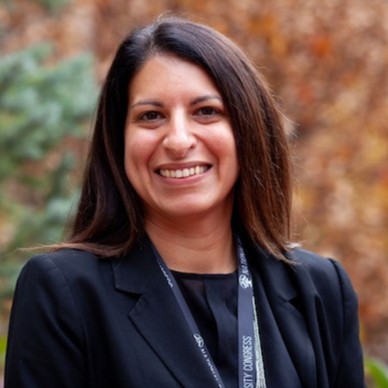
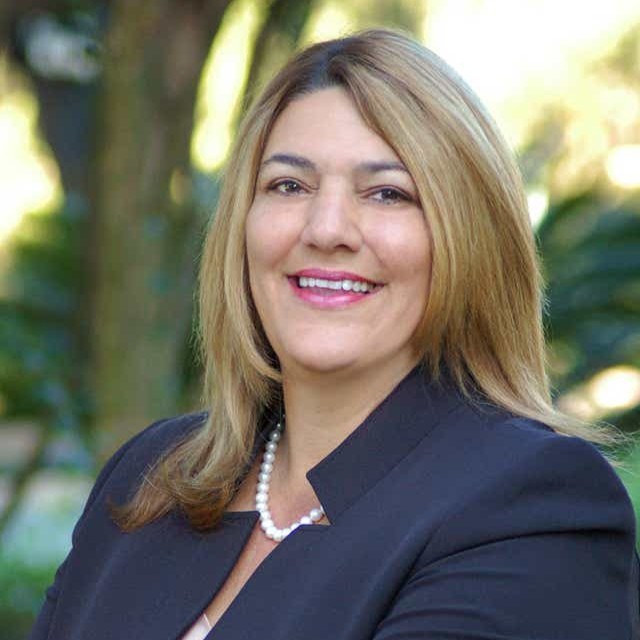
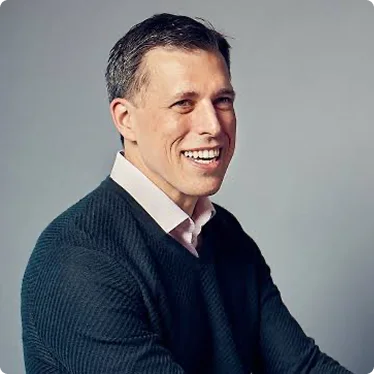
Alexandra Schaffrath is President and Chief Executive Officer of Vocate Education Solutions, the Tampa-based nonprofit that brings Ultimate Medical Academy, American Institute, Nasium Training and Global Education Group together under one enterprise. Vocate works to close talent gaps in critical fields such as healthcare, serving more than 20,000 adult learners nationwide, many from under-resourced communities, and counting more than 100,000 graduates to date. The board named her to the top job in May 2026, where she sets enterprise strategy and deepens the partnerships with employers that connect learners to in-demand careers.
She has spent 14 years inside the network. She joined Ultimate Medical Academy in 2012 and rose through strategy roles to Chief Strategy Officer in 2019, then became Executive Vice President, Chief Financial and Strategy Officer in 2020, combining finance, strategy and analytics in service of student outcomes. Before UMA she was Vice President of Development at Laureate Education and held leadership roles at Career Education Corporation, after starting out in analytical and consulting work at Bear Stearns and KPMG. She holds a B.A. in International Relations from the University of Pennsylvania and an MBA from NYU Stern School of Business. A Tampa Bay Business Journal CFO of the Year honoree in 2023, she chaired the American Heart Association's 2025 Go Red for Women campaign in Tampa and sits on the AHA Tampa Metro Board.
Alexandra Schaffrath started on Wall Street at Bear Stearns and KPMG, joined Ultimate Medical Academy in 2012, and rose to Chief Financial and Strategy Officer before being named President and CEO of Vocate Education Solutions, the national nonprofit behind UMA, Nasium Training and other brands. Vocate trains more than 25,000 working adults a year, mostly for healthcare careers, in nearly every state. Ruben Harris and Timur Meyster sit down with her at OutRival headquarters in Miami to unpack how a school that went fully online in 2008, before anyone thought healthcare education could work online, built a 3,000-person organization where almost 80 percent of employees focus on students, including a 450-person career services team.
She walks through the accreditation benchmarks every cohort has to hit, why data is the lifeblood of a school that never sees its students in person, and how Vocate is bringing in AI agents for learners who study at midnight. She explains what thousands of healthcare employers are saying about automation, why clinical workers will get busier rather than replaced, and why AI now sits in the curriculum as a way of thinking rather than a tool. She also covers bootstrapping from 32 students, putting 100 percent of earnings back into the institution, converting to a nonprofit by choice, running pilots with a thesis and a time box, and why the cost of slow decisions in higher education right now is an institution's future.