[00:00:00] Janet Bava: The thing that I'm most concerned about when I see everyone talking about leveraging technology for savings, right? That's when I know they've got it all wrong. You don't go into the tech space or becoming more, um, you know, advanced in your technology infrastructure thinking that you're gonna save money.
[00:00:16] Janet Bava: You can be more profitable, you can scale, you can do more, but it's never, it's never something that's gonna be cheap, I can assure you that. You have to be agile. You have to react to the market. So again, it's not just about having the great tactics in place, it's being reactive and reacting really fast so that you can salvage in that moment in time everything that you've done.
[00:00:36] Janet Bava: I've learned a lot on the operations side actually of how technology can help us, not remove the human touch and the human connection, but make it so that our crew member has more time to make that connection with our guest, because that is the number one reason why our guests keep coming back.
[00:00:52] Rubén Harris: Happy Wednesday.
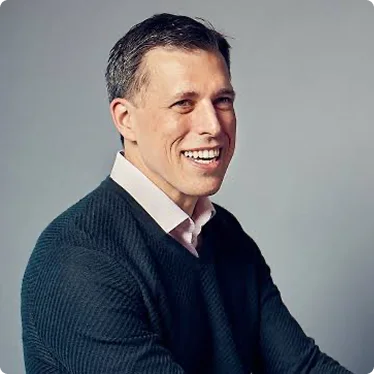
[00:00:53] Rubén Harris: My name's Rubén Harris, and this is The New Normal. The New Normal is a show where we go inside of organizations that are actually using AI in production at scale in a way that's making a meaningful impact in their organizations. This is not a show about hype. It's a show where we interview leaders who have made decisions to reimagine their organizations with AI at its core Today we are in Miami, Florida at OutRival headquarters, and I'm here with our head of travel, Jeff Herzfeld, who's going to introduce our guest.
[00:01:24] Rubén Harris: Jeff, can you please introduce our guest?
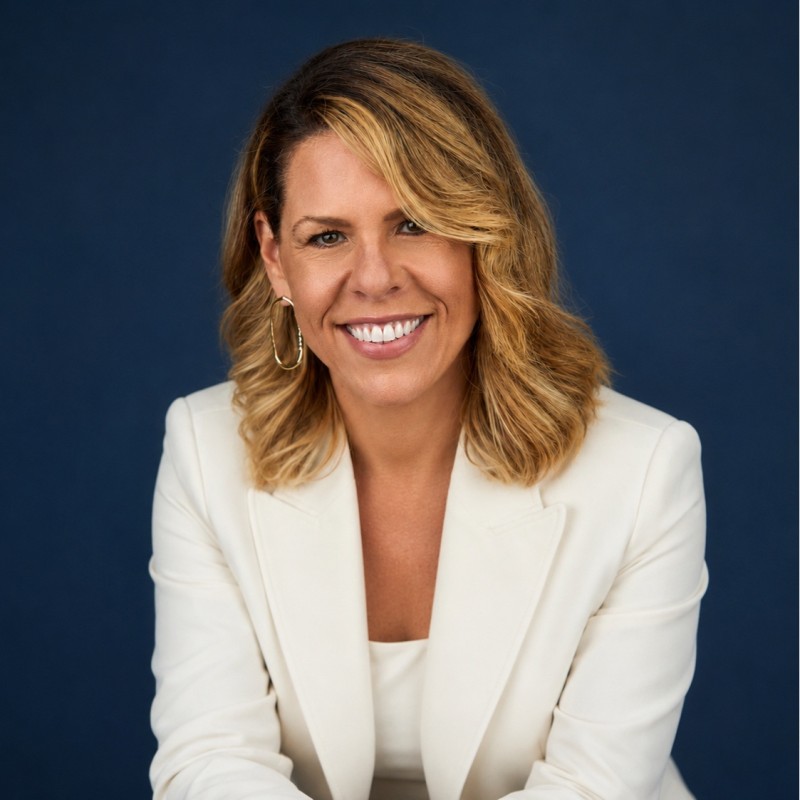
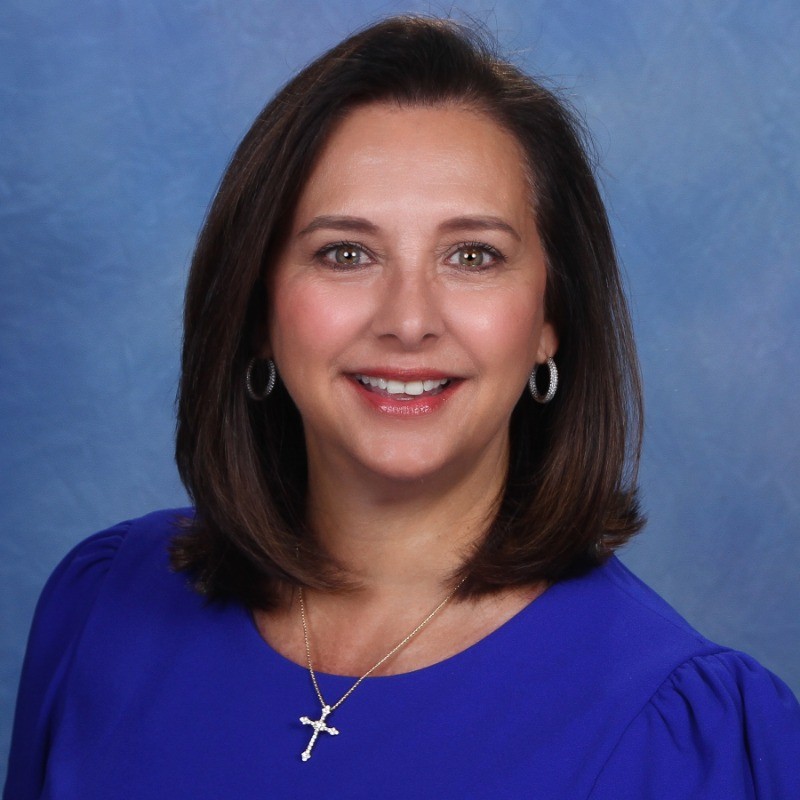
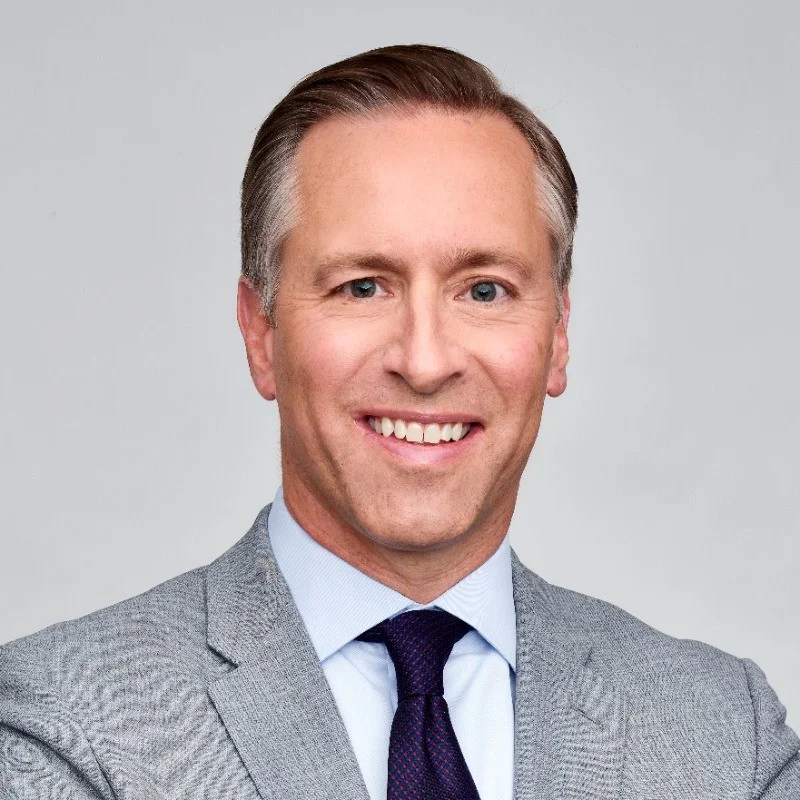
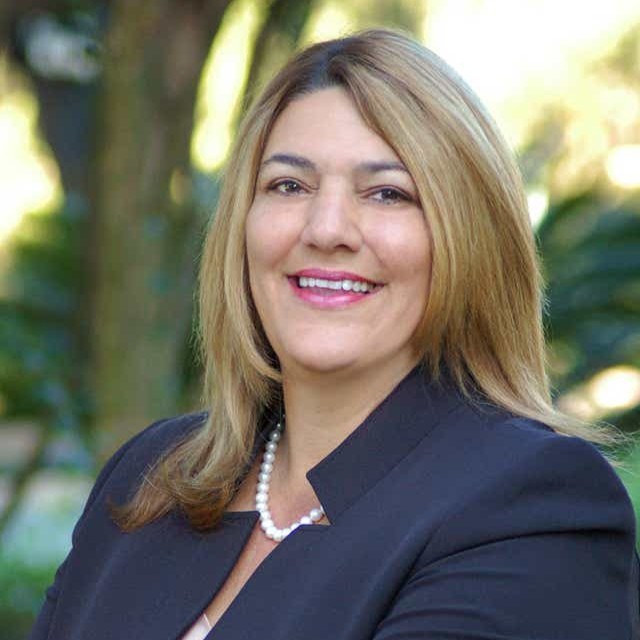
[00:01:27] Jeff Herzfeld: Hi, everyone. Very excited to introduce Janet Bava. She's the chief commercial officer for Windstar Cruises. Prior to Windstar Cruises, Janet Bava was the chief marketing officer at AmaWaterways. And prior to that, she was responsible for marketing as the vice president for Silversea America.
[00:01:45] Jeff Herzfeld: Uh, Janet is a Miami native, born in Cuba, and I'm very excited to welcome Janet Bava today to our show.
[00:01:53] Janet Bava: Thank you. Thank you for having me. Really excited to be here.
[00:01:55] Rubén Harris: Yeah. So you are a cruise lifer. Mm-hmm. Talk to us about your first cruise experience, how you met the love of your life, and all of that.
[00:02:04] Janet Bava: Yes.
[00:02:04] Janet Bava: Well, you know, um, I'm very fortunate because I do live in Miami, and I just love this city, and I've seen it thrive, um, through the years. And it's just really exciting because as a, you know, student, um, I, and early in my years, I, I wanted to study business and international marketing. And so, um, the fact that I was able to engage in the cruise world is really exciting for me.
[00:02:28] Janet Bava: So yes, my first cruise was my 15th birthday quinceañera. So, um, Cuban-born Hispanics, uh, tend to celebrate this coming of age, and, um, I did on a cruise. And that's when my love and passion for cruising began. And, um, you know, many years after, I, I had the ability to actually visit Italy, um, and I met my husband there.
[00:02:50] Rubén Harris: Awesome.
[00:02:50] Janet Bava: And so I've had the, the fortune through the years as I've built a career in, in cruising, um, from mass market cruise brands that you mentioned and luxury cruise brands and river cruise, um, companies. Um, I've had the very fortune to work alongside amazing professionals and do amazing things and make an impact in this industry.
[00:03:08] Rubén Harris: Awesome. So tell us about Windstar. Yes. I know you all have your own podcast, Winds of Change. Um, you guys have this tagline, 180 degrees from ordinary. Yes. What, what does that mean? Tell us about all that.
[00:03:18] Janet Bava: Yeah. So Windstar has actually been around for over 40 years, which is pretty amazing. And they started with these iconic sailing ships, um, and in Tahiti.
[00:03:28] Janet Bava: We're actually celebrating 40 years in Tahiti this year. And, um, these vessels were small. Um, we had 150 guests on board back in the day, and we've grown significantly since then. I joined the company three years ago. Um, and when I joined, they had just acquired three new ships, um, and we were a six-ship company.
[00:03:48] Janet Bava: And I'm very proud to say that we're about to take delivery of our eighth ship, the Star Explorer, in just a few weeks, which I'm very excited about. So we have eight- Um, ships, but we continue to be small. So where the other small ship cruise brands continue to increase the passenger count on their, um, cruise ships, we're staying small.
[00:04:07] Janet Bava: This vessel will only have 224 guests, and although it will not have the iconic sails, it is an all-suite ship, and it's catering to those guests that, you know, wanna travel the world, unpack once, visit multiple destinations, but not be with 4,000 to 8,000 people. So, um, we visit iconic destinations because we're smaller, and we're introducing also new destinations to guests that have been there and done that and are looking for something new.
[00:04:33] Rubén Harris: Awesome. And so even though we're talking about technology, obviously we are talking about creating amazing guest experiences- Yes ... or booked experiences. Um, but there's a prospect journey and then the book journey.
[00:04:45] Janet Bava: Mm-hmm.
[00:04:45] Rubén Harris: Talk to us about- Yes ... how you think about those separate things and, um, how that fits from a technology perspective.
[00:04:52] Janet Bava: Absolutely. You know, we're very fortunate 'cause we have an amazing product, right? And that product delivers, and when our guests come on board, and they meet our crew, and they sail with Windstar, they have a fabulous experience. I s- we have some of the best repeat rates in the world. The hardest part is, one, introducing our brand to people, generating awareness, and then pushing them down through that funnel, and everything that happens pre-cruise up to until they board the ship, right?
[00:05:19] Janet Bava: And so that guest experience is actually your brand's first impression. Mm-hmm. So when you're speaking with a prospect, from the moment they land on your website, that website is a reflection, right- Mm-hmm ... of the product. And so it is your first impression, and you have to make as much investment on that, that you should on the product itself and delivering the cruise to your guests.
[00:05:39] Rubén Harris: Mm-hmm. When you think about that first impression-
[00:05:41] Janet Bava: Mm-hmm ...
[00:05:41] Rubén Harris: and the information that you're gathering- Mm-hmm ... can you talk about some of the details that- Yes ... stand out in the m- in making that first impression- Yes ... whether they decide to sail with you or not?
[00:05:52] Janet Bava: Absolutely. It all depends where they come from.
[00:05:55] Janet Bava: Right? And I think it's really important to understand that it is not a one fi- s- excuse me, one-size-fits-all approach in what you do. And, um, you know, we are very diversified in how we try to increase our brand awareness. We're a small brand, and unfortunately we don't have unlimited resources and unlimited budget.
[00:06:13] Janet Bava: So we have to be very targeted in our approach. We have to be in front of the right people because we also realize we're not for everyone. Mm-hmm. And, um, we have to ensure that when we are in front of the right guest, that we're talking their language and resonating with them. Mm-hmm. Because in the world that we live in today, there's a lot of noise. Mm-hmm.
[00:06:29] Janet Bava: And we have a very competitive also category. Mm-hmm. Um, you know, 40 years ago there was very few s- small ship brands. Mm-hmm. And so, you know, fast-forward to today, the s- I mean, I think a third of the new vessels being built are small ship- Mm-hmm ... under 1,000 berths. Mm-hmm. So it's very competitive.
[00:06:44] Janet Bava: So once you can put your brand in front of the right people, then it's just breaking the noise and through the clutter, and how do you create this white space and present yourself so that someone says, in that interaction, "I'm gonna take the time to go and click on your website and explore more about"- Yeah
[00:06:59] Janet Bava: "Windstar." And that we don't take for granted.
[00:07:01] Rubén Harris: Related to competition.
[00:07:03] Janet Bava: Yes.
[00:07:04] Rubén Harris: Um, let's say you do have the right guest-
[00:07:06] Janet Bava: Mm-hmm ...
[00:07:06] Rubén Harris: that's interested Is it about us versus them or a different experience versus a different experience? Like, why would someone choose to go with Windstar over someone else- Yes ... and, like, what experience did you give them?
[00:07:17] Janet Bava: You know, we like to, um, not talk too much about our competition and focus on ourselves. Yeah. Because if we have our, your attention- Mm-hmm ... we want, uh, to talk about just ourselves. Mm-hmm. And so what we wanna know is learn about you. Mm-hmm. And it's a sales process, right? Mm-hmm. What does the best salesperson do?
[00:07:32] Janet Bava: Mm-hmm. They listen. Yeah.
[00:07:33] Janet Bava: And they learn- Yeah ... before they speak and they sell. Yeah. And so marketing is the same way. Mm-hmm. You have to learn who's landed in your website, what are they interested in- Mm-hmm ... and how do you speak to them in a way that your brand resonates? Yeah. And that's what we're trying to do.
[00:07:46] Janet Bava: So we're trying to leverage technology to do that, right? Yeah. Um, someone on the phone, they call in- call our contact center, you have a human being able to gather that information- Yeah ... to be able to then, you know, present the brand in a relevant way to that individual. Yeah. And so we're trying to do the same in, within our digital spectrum so that when they land on our website or they learn about us, um, once they want to explore more
[00:08:07] Janet Bava: I mean, we have eight ships now that go to a myriad of destinations. Yeah. And we have an all-suite ship and a sailing vessel, right? Mm-hmm. We can't give you all at once 'cause- Yeah ... you'll be inundated and leave. Too much for me. Too complicated. Yeah. I'm done. Um, so we have to really scale it down, understand who you are. Yeah.
[00:08:23] Janet Bava: Um, what are you attracted to? Are you ... Are- am I selling you an entry-level suite, or am I selling you the owner suite and talking about- Yeah ... um, Tahiti, or are you wanting to go to Europe or the Caribbean, right? Yeah. Because otherwise, you tune out and you leave. You have other things to do. And so as relevant as that conversation can be, however we're having that conversation with you, um, that's the, the name of the game for us.
[00:08:44] Janet Bava: Yeah.
[00:08:44] Jeff Herzfeld: From a sales perspective, you know, we often talk about hunting and gathering. And-
[00:08:48] Janet Bava: Yes ...
[00:08:49] Jeff Herzfeld: Bob Becker, um, who I'm sure you know, says nobody, um, is utilizing AI right now on the hunting side. Mm-hmm. What are your thoughts on that?
[00:08:56] Janet Bava: Yeah. I think, you know what? I think it, it's a valid point. I think we have this tool, which is AI, but that tool can mean a lot of things to a lot of different people and can be used in so many different ways, and I think we all are honestly trying to explore the world.
[00:09:10] Janet Bava: And I think what's happening is we're trying to do too many things at once. Mm-hmm. And I think where we make an impact is where we focus. Yeah.
[00:09:15] Janet Bava: And for us right now, the focus has been on efficiencies, right? Like, how do we take away these mundane, repetitive tasks from high-value employees and make them more efficient, right?
[00:09:27] Janet Bava: Mm-hmm. Um, and then part of that is on the hunting side. You don't want your salespeople contacting everyone. Mm-hmm. You want your salespeople contacting the right leads. And so if you can use AI to qualify those leads for the sales folks- Mm-hmm ... gather what you need from them so that by the time that high-value sales representative, whether it's someone talking to a travel agent, right?
[00:09:46] Janet Bava: 'Cause we have a sales team talking to travel agents, or it's someone on the phone talking to a guest, you want them to understand who that is, versus wasting time on the phone trying to gather that information, right? And so I do agree with Bob. I don't think we're using that to its maximum potential, and when we do, I think we're gonna unlock a lot of revenue potential.
[00:10:03] Rubén Harris: Yeah. Yeah, for sure. Yes. So, so, so you do have- Right now you do have people on the phones.
[00:10:08] Janet Bava: Yes.
[00:10:08] Rubén Harris: You have travel agents.
[00:10:10] Janet Bava: Yes.
[00:10:10] Rubén Harris: And you do have agents helping the people on the phones- Correct ... to serve the right guests.
[00:10:15] Janet Bava: And we have a website too, right? There's guests who don't wanna talk to a live person.
[00:10:18] Rubén Harris: Mm-hmm.
[00:10:19] Janet Bava: Um, and they wanna do it themselves. Mm-hmm. They're, you know, they're at 12 o'clock midnight, can't fall asleep, and they're on their phones trying to research where their next vacation's gonna be, and we gotta cater to that guest too.
[00:10:28] Rubén Harris: That's awesome. And so if, if you did start thinking about how to use agents on the hunting side or the- Yes
[00:10:35] Rubén Harris: talking to the like, let's call it The people that might be the right guest but not ready right now-
[00:10:40] Janet Bava: Right ...
[00:10:41] Rubén Harris: how would you deploy them? Yes. That, for lack of a better word.
[00:10:44] Janet Bava: Yeah, I think the nurturing piece, right? Um, one of the things that we know, if you're in the cruise industry you know this, which is the cruise feels complex to a non-cruiser.
[00:10:53] Janet Bava: Mm-hmm. Um, for you to actually, by the time you come on board our ship, there's a lot of information that you've digested and had to learn, and there's also a lot of, um, steps along the way you have to do from air- Mm-hmm ... you know, booking your air, booking your shore excursion, you know, connecting with your family, transfers to the ship.
[00:11:11] Janet Bava: It is very complicated. Mm-hmm. And so, um, you also have a lot of choices. Mm-hmm. And so what this AI agent can do is, one, disseminate the information- Mm-hmm ... in the way and how that individual understands it- Mm-hmm ... in a relevant way, right? You don't want someone talking to, to you about Tahiti if you've already been there, done that- Mm-hmm
[00:11:29] Janet Bava: and what you really wanna see is how do I take the Wind Surf through the south of Italy and jump off the Marina, right? Mm-hmm. So that is what the AI bot should be doing. Yeah. Disseminating this individual, what is, what are they looking for- Mm-hmm ... and providing them that information so that by the time they book, the nurturing piece, right?
[00:11:46] Janet Bava: Yeah. Dissemi- They know what they want. Mm-hmm.
[00:11:49] Janet Bava: They're ready to book it, right? Yeah. And then they know now that they're excited for this cruise, it shouldn't be stressful preparing for the cruise. Yeah. And that's the thing about travel. You have the planning phase, and then you have the pre-cruise phase- Yeah
[00:12:01] Janet Bava: which is all a journey- Yeah ... and a lot of information needed. So if you can disseminate that for someone in an easy way, I think that's super valuable.
[00:12:11] Jeff Herzfeld: So Janet, you raise an excellent point, and I oftentimes call this the 72% problem, is that 28% of a salesperson job is really s- they're selling, but they have 72% dealing with, like, the mundane task of- Servicing
[00:12:24] Jeff Herzfeld: you know, having to service or- Yeah ... collect final payment, maybe doing web check-in- Mm-hmm.
[00:12:28] Janet Bava: Yes ...
[00:12:28] Jeff Herzfeld: um, collecting preferences per- potentially. Is that the opportunity?
[00:12:32] Janet Bava: Yeah, absolut- or focus. I think sometimes, you know, when you, when you're sales and you're hunting and you're hungry, you wanna get that sale, and so you're everywhere, right?
[00:12:40] Janet Bava: But in then nowhere at once. Mm-hmm. So one, I would say can we use technology to help us focus on the right leads, right? Mm-hmm. And then the second thing is on the task side, right? Mm-hmm. Once I get these hot leads in front of me, how do I be- you know, become very efficient in how I'm delivering that information?
[00:12:56] Janet Bava: So either from a B2B perspective, if my sales agents are meeting a travel advisor for the first time, they're a luxury cruise seller, but they don't know about Windstar, right? Like, how are they disseminating about us information versus someone who is a very, um, loyal Windstar travel partner that knows everything about us but just really wants to know what's new.
[00:13:15] Janet Bava: Mm-hmm, mm-hmm. So that conversation is very different. So if we can empower those sellers to have what they need- Or that person they have in front of them, right? Whether it's at a trade show or a ph- a phone call, a sales call. You're making them more efficient, and then you're also reducing those services.
[00:13:31] Janet Bava: Um, we're actually, we, we're going through an assessment right now of our sales team. We've just hired a sales operations director, and she's- What's their name? Her name is Joy, and she actually-
[00:13:39] Rubén Harris: Shout out to Joy.
[00:13:40] Janet Bava: Shout out to Joy because- ... she is inundated. She's w- three week into the job and she's like, she's coming back every day- Mm-hmm
[00:13:47] Janet Bava: really excited 'cause she's not from the cruise industry. Yeah. But what she tells me is that there's so much opportunity for automation and taking away the service aspect of selling because we have very passionate people. She's like, "The good news is you have very passionate people at Windstar." Mm-hmm.
[00:14:02] Janet Bava: "The bad news is that you're wasting their time-" Mm-hmm ... "with repetitive task or servicing travel agents-" Mm-hmm ... "when, you know, these travel partners can get the access or the questions, the answers to their questions, um, through other means and not have to talk, um, to our salesperson." And it's very true, right?
[00:14:18] Janet Bava: I think that's a big opportunity for us that we're trying to address.
[00:14:22] Rubén Harris: I love the way you framed all of that Can you translate that into the commercial opportunity? 'Cause you said it's, it could be a big revenue opportunity- Yes ... if you did all these things. So can you- Yeah ... help paint the picture? It doesn't necessarily have to be a- Yeah
[00:14:35] Rubén Harris: at Windstar, but in general. In general. As you think about a cruise line- Absolutely. Yeah ... how does that turn into money?
[00:14:39] Janet Bava: It, it turns into money because it's time. Time is money.
[00:14:43] Rubén Harris: Yeah, yeah.
[00:14:43] Janet Bava: We all want more time. Why? To do the things that generate revenue. So if I'm, if you're a salesperson, you want that time to generate revenue.
[00:14:51] Janet Bava: So every d- every minute of the day that you're spending servicing, you're not selling. Yeah. So way, the way that translates is if you're 70% service, 30% selling, right? Mm. When you flip the switch and you're 70% selling, that automatically becomes- There you go ... right? 'Cause your conversion rate gets higher- Yeah
[00:15:06] Janet Bava: and the revenue gets higher. Yeah. And al-
[00:15:08] Jeff Herzfeld: You have more conversations ...
[00:15:09] Janet Bava: and fulfillment, right? I think these are all human beings we're talking about. Mm-hmm. And I think we all wanna be fulfilled, um, in everything we do, and we wanna know that we're making an impact. Beyond the money-
[00:15:18] Rubén Harris: Oh, you're referring to, like, the, the things that people don't wanna do on a contact center.
[00:15:21] Janet Bava: Correct. Yes. Yeah. That's fair. Absolutely. To me, I think it's, you know, we're, we, our people are one of our most important assets. Yeah. And keeping them as passionate about our brand and excited about their job, right? You hear that on the phone. You, you see that in person when, when someone likes what they do, when they're talking about, and you wanna keep them engaged and happy.
[00:15:39] Janet Bava: Yeah. And I think it really, you see it in our crew, right? You don't want the crew to do a lot of mundane task either. Why send them back and forth in a kitchen with a manual ticket when you can have an, a pad making the orders and not having them walk back and forth so they can spend more time, you know, connecting with the guest in the dining room, right?
[00:15:55] Janet Bava: Yeah. And making that connection. And so it, it translates across sales, it translates across operation. I mean, talking with our president, Chris, I mean, that's, I've learned a lot on the operation side actually of how technology can help us- Mm-hmm ... not remove the human touch- Yeah ... and the human connection, but make it so that our crew member has more time to make that connection with our guest, because that is the number one reason why our guests keep coming back- Yeah
[00:16:18] Janet Bava: over and over. It is the crew. It's not the product or the destinations. It is the onboard experience and the crew and how they feel, like if they're the only ones on board our ships.
[00:16:26] Rubén Harris: I love that. And speaking of people coming back, so you talked a lot about top of funnel. Mm-hmm. Let's talk about the people that are either booked and they need things before they join-
[00:16:36] Janet Bava: Yes
[00:16:36] Rubén Harris: or they, they go sailing with you. Or these loyal people that I think Bob said, he said, um- You wanna get someone that could take a cruise, but get them to take one at least again- Yes ... every 10 years- Absolutely ... or something like that. So how are you thinking about that? 'Cause if they are se- if your people are 70% selling-
[00:16:55] Janet Bava: Yes
[00:16:55] Rubén Harris: are there ways to nurture that side of things?
[00:16:58] Janet Bava: Yeah, you need to have a very good mix of initiatives going on where you realize that, you know, it's, I just said how complicated it is to acquire a new customer, right? Yeah. And what I know is once they come on board, they have a fabulous time and they keep coming back.
[00:17:12] Janet Bava: Now, if I don't have tactics in place to get them back, right- Mm-hmm ... they can get distracted by the very noisy world, right? Yeah. We can have a competitor come with a very attractive offer they cannot refuse, and no matter- Yeah ... what an amazing time they had with us, if I don't conquest them before the competitor does-
[00:17:26] Rubén Harris: They're in the ear.
[00:17:26] Janet Bava: Yeah ... right? Like, they're, they're, they're gonna move on or, or, or, you know, maybe not come back every year. Maybe they'll come back every three to four years. And so I think repeat is, uh, is always the name of the game. It's not just acquisition and making sure that that funnel in terms of acquiring them pre-cruise, but then what happens when you, when, to get them back.
[00:17:44] Janet Bava: And one of the things we do is on board, we get them while they're on board and we give them an offer they can't refuse right before they get off the ship. Yeah.
[00:17:50] Janet Bava: And that offer can actually, if they book through a travel agent, their travel agent then gets the commission. So travel partners love working with us- Yeah
[00:17:57] Janet Bava: because they know once they bring their clients on board, that client's gonna come back and say, "I want another Windstar Cruise." And then that's where you get the ROI. Yeah.
[00:18:05] Janet Bava: Because if you look at the cost per booking at a new client acquisition, right, it's never as healthy as a repeat.
[00:18:10] Rubén Harris: Yeah.
[00:18:11] Janet Bava: And we're in the business of profitability- Yeah
[00:18:12] Janet Bava: and bringing as many heads in beds, bringing as many guests on board our ships in the most profitable way.
[00:18:17] Rubén Harris: Jeff, I think, give me... I, I might get this wrong.
[00:18:20] Janet Bava: Okay.
[00:18:21] Rubén Harris: But, um, let's say someone has booked-
[00:18:24] Janet Bava: Yes ...
[00:18:24] Rubén Harris: and they're getting ready to sail in the future-
[00:18:26] Janet Bava: Yes ...
[00:18:27] Rubén Harris: it's not just about competitors being in their ear, it might be an ancillary service like a flight.
[00:18:32] Rubén Harris: Give- Mm-hmm ... give an example of like- Yeah. Yeah ... an opportunity that a cruise line, not Windstar, but just in general, could lose if they're not in the ear of the guest.
[00:18:42] Jeff Herzfeld: Absolutely. You know, Janet, we talked about the journey. You know, the journey, the first part of the journey is actually booking the cruise.
[00:18:47] Jeff Herzfeld: Mm-hmm. But there's a whole remaining journey after the fact, and that includes ancillary items. Um, and there are benefits from, at least my experience, that you tend to get higher stick rates if they maybe add air- Absolutely ... and hotel. So talk a little bit about that, and how do you get the, to them at the right time- Yes
[00:19:03] Jeff Herzfeld: with the right offer?
[00:19:04] Janet Bava: I'm gonna give you a real-life experience that I think many people went through. A lot of my cruise friends I know went through this. It wasn't just Windstar. But I'm gonna take you back to March this year when a little bro- war broke out, um, in the Strait of Hormuz, right? Mm. And so we had, when we turned the year, we had 80, about 80% of our revenue booked already, so we were like, "Okay, this year- Awesome
[00:19:26] Janet Bava: is solid," right? People- By March? ... place, department. Well, when we turned the year, so before '26 arrived, right, we had turned the year pretty solid booked. Amazing. Which is great- Yeah ... because people plan ahead and you wanna get ahead of the game, right? Um, so we're coming into March, and what happens in the news, everything you're hearing about is there's no fuel.
[00:19:43] Janet Bava: You may not have planes flying to Europe because there's, fuel's gonna run out. Oh. And fuel skyrocketed up, right? Mm-hmm. And so people who had booked their cruise a year, two years in advance that had not done final payment, or even who had placed final payment, they're now questioning whether they should be going on this cruise or not.
[00:19:59] Janet Bava: Mm-hmm. And so how do you overcome that? Because again, just because they've put a booking down- Mm-hmm ... whether that's a hotel- Mm ... an airline, or a cruise line, in the travel space, just because you got that booking doesn't mean that that revenue's gonna come into fruition. Yeah.
[00:20:12] Janet Bava: So that pre-cruise, pre-travel experience becomes incredibly- Critical
[00:20:15] Janet Bava: important, not only the things that you need to do as a company to retain them and offer them air, make sure they have the shore excursions booked, because if they book their shore excursions, less likely they are- Mm-hmm ... to cancel, but you also have the external factors that you have no control over.
[00:20:30] Janet Bava: Mm-hmm. The geopolitical situations that happen around you, the cost of air that they had budgeted was $2,000 when they booked the cruise, now it's $4,000. Me and my husband- Mm ... it's $8,000. Mm-hmm. You know what? I'm postponing that cruise. Yeah.
[00:20:43] Janet Bava: So what we did is we launched a peace of mind program. So you have to be agile, you have to react to the market.
[00:20:49] Janet Bava: So again, it's not just about having the great tactics in place, it's being reactive- Mm-hmm ... and reacting really fast so that you can salvage in that moment in time everything that you've done, right- Yeah ... to secure that booking.
[00:21:00] Rubén Harris: I mean, I love the peace of mind Marketing, right? Yes. 'Cause it's not just peace of mind for what you need for your trip, but- Yeah
[00:21:06] Rubén Harris: to your point, there's geopolitical things that make me be like, "Hey, maybe this is not the right time for me to go." Yeah. But you booked- Exactly ... the revenue. You want them to go at that time.
[00:21:13] Janet Bava: Right, and that's what we said. Right. We said, you know, this, th- this offer is great that you've secured a year or two years ago.
[00:21:18] Janet Bava: Why cancel it now when our prices actually have gone up since then, right? Mm-hmm. So we'll give you the peace of mind where once it comes up close to your sailing date, go ahead and make your final payment, and if things, you know, really it is not a great situation and you, and you couldn't get that discount on air, then you know what?
[00:21:33] Janet Bava: Then you can actually take a full credit and move it, right? Yeah. Because the problem at that point in time, what we have in the cruise industry, is that they're leaving a deposit to secure- Mm-hmm ... their room, but then there's final payment that's due. Mm-hmm, mm-hmm.
[00:21:44] Janet Bava: And then it becomes non-refundable.
[00:21:46] Janet Bava: Mm-hmm. But again, a window of time- Yeah ... where you need to really ensure- Be on it ... right? Yeah. So not everything's in the bag. Yeah.
[00:21:53] Janet Bava: And you have to be really, um, cautious about that so that, you know, otherwise you're reselling that, everything you would just went through to resell that suite, and you have to- Yeah
[00:22:01] Janet Bava: now sell it two and three times.
[00:22:02] Rubén Harris: Yeah.
[00:22:03] Janet Bava: And, and now your costs go through the roof. So you wanna avoid that and, and be, um, relevant to that guest.
[00:22:08] Rubén Harris: Speaking of March and having revenue booked through the year- Some of the people that we've spoken to talk about wave season.
[00:22:15] Janet Bava: Yes.
[00:22:15] Rubén Harris: Is that something that you all think about when it comes to staffing as well?
[00:22:18] Janet Bava: So I feel, having been in the cruise industry for over 20 years-
[00:22:22] Rubén Harris: And what is wave season for people that don't know?
[00:22:23] Janet Bava: So for those of you who don't know, wave season, to me, 'cause it no longer exists, I feel, in the... I think we have wave seasons now throughout the year. Mm-hmm. So traditionally, wave season was a period of time between January and February- Mm-hmm
[00:22:36] Janet Bava: and then extended through March- Mm-hmm ... which is where probably 60 to 70% of the cruise revenue cru- for cruise lines were being booked. Mm-hmm.
[00:22:43] Janet Bava: Um, and to me now, it's kind of become a little bit of a myth, and people just get used to talking about it. We've all had it cemented in our brain, but we had a wave season in July this year.
[00:22:53] Janet Bava: Hmm. And so to me, we've h- you know, there's external factors. People are booking now and traveling all the time. Mm-hmm.
[00:23:00] Janet Bava: And so we don't necessarily... We are, at Windstar Cruises, I can't speak for the rest, but I think some of my cruise friends will, will probably agree with me, that, um, wave for, for them don't, no longer exists.
[00:23:11] Janet Bava: Mm-hmm. And we just have ebbs and flows of booking momentum that happen throughout the year, and a lot of it has to do with what we're doing internally. Mm-hmm. We have a Christmas in July sale. We'll have our Thankful for Travel Black Friday sale. Mm-hmm. Those big, massive sales that include all of our sister brands.
[00:23:26] Janet Bava: We're owned by Xanterra Travel Collection. Mm-hmm. And we have sister brands, um, Sea Island and Broadmoor Hotels, where we will have an enterprise-wide sale. And that creates a huge wave for us across the Xanterra portfolio of brands and our sister brands as well. So there's some waves that we create throughout the year, and then there's waves also that are, you know, externally driven by the economic situation.
[00:23:51] Janet Bava: We are a luxury brand and, you know, when the stock market goes up, we tend to see bookings- Yeah ... you know, very healthy. And when the stock market crashes, you tend to see a slowdown- Yeah ... in bookings. And so we're, you know. So to me, nowadays are not necessarily a wave season. Yeah. It's just really, we are, we have to be reactive to the times.
[00:24:10] Janet Bava: Um, a lot of the wave we drive, and a lot of the d- wave is, it's an external factor you can't control, so be ready to take the bookings when they're coming in.
[00:24:17] Janet Bava: Yeah.
[00:24:17] Jeff Herzfeld: Well, Windstar is the only cruise line, um, that I'm aware of that actually runs national parks. Can you tell us a little bit- Yes ... about that partnership- Yeah
[00:24:23] Jeff Herzfeld: with the park ranger?
[00:24:24] Janet Bava: Yes. So we don't run national parks. The national parks run us. Yeah. Just technical here. We're very, actually, you know what? It's not about running. I think we're very proud to be part of this, um- beautiful company called Xanterra Travel Collection that actually just celebrated 150 years, um- Wow.
[00:24:39] Janet Bava: Wow.
[00:24:39] Rubén Harris: So it's 40 years- Yeah ... and 150 years.
[00:24:41] Janet Bava: Yes. And so, um, you know, they have the lodging for our national parks from the Grand Canyon, um, Zion, and so the rail- r- railway, Grand Canyon Railway. And then they also have, um, hotel properties, beautiful hotel properties. Wow. We are the only, um, company that actually has a, a, a hotel, a private hotel, Oasis Death Valley, in a national park.
[00:25:03] Janet Bava: Wow. In Death Valley National Park. Um, we also have the fortune of our ownership, um, owning The Broadmoor in Denver, Colorado, and Sea Island. Mm-hmm. I mean, top resorts- Beautiful area ... and hotels- Yeah ... beautiful, in Georgia. You're, and you s- I'm from Georgia, yeah. Yes. And so you know Sea Island. Yeah. I mean, what a unique property.
[00:25:22] Janet Bava: So we have a very diverse portfolio of travel products. Mm-hmm. And so we love, you know, uh, we're the only cruise brand. Mm-hmm. So we love being part of them because we have a very unique proposition. Mm-hmm. And a- as much as we learn about how the park, world, and lodging business works, you know, and even the hotel, right?
[00:25:39] Janet Bava: 'Cause I think cruise sometimes gets compared to a hotel, but it's a very, very different product. You know, we love learning about that as well as, you know, our, our, um, colleagues love learn- learning about the cruise industry. And then we have a lot of efficiencies, right? Like, when we set out to really, um, grow our technology infrastructure and our investments, right, we did it together.
[00:25:57] Janet Bava: Mm-hmm. Because it's a lot more efficient, right, as a sys- uh, as a, as a conglomerate of brands, um, trying to work towards the same goal with all our individual, you know, um, initiatives, right? Because we're all very unique and different in terms of our objectives and revenue expectations, but we have the benefit of anything happens, we have the backing of a very established company.
[00:26:18] Rubén Harris: Yeah.
[00:26:18] Janet Bava: Um, very conservative, established company that, you know, has ... We don't have issues with, you know, any kind of funding if needed, when needed, when things, you know, go wrong.
[00:26:27] Rubén Harris: Yeah. I love that. You made a, a comment earlier about all roads leading to IT.
[00:26:32] Janet Bava: Yes.
[00:26:33] Rubén Harris: Now, I wanna, I wanna hear you talk about that a little bit more from an operations perspective.
[00:26:37] Janet Bava: Absolutely.
[00:26:37] Rubén Harris: Uh, the reason why I was thinking about it is, um, Ana, I believe w- when you were talking about hotels- Yes ... was bringing up the fact that cruise lines have been pretty innovative, like introducing Wi-Fi, for example- Right ... before hotels and, you know, airlines are still kinda figuring that out.
[00:26:53] Rubén Harris: Right. Right? Um, talk about why you think IT- Yes ... is important from an operations perspective to create experiences that care about the guests.
[00:27:01] Janet Bava: Yeah, absolutely. Um, you know, I joined, uh, the company three years ago, and, and I have this amazing leader, Chris Prelog, right? Mm-hmm. Who's been very supportive during my time, and I remember my first 30-day check-in.
[00:27:14] Janet Bava: You know, he kind of asked, like, you know, "What's your assessment on the commercial?" I have six departments right now that report up under me. You know, I assessed marketing, sales, the contact center, revenue management, itinerary planning. So I went through my first 30 days meeting with everyone, and he said, "Okay, what do we prioritize?
[00:27:30] Janet Bava: What do you need to be able to deliver on these very aggressive revenue goals," um, as we were still recovering from COVID, quite honestly. This is still 2023, and I, you know, I looked at him straight in the eyes and I said, "Honestly, all roads lead to IT." Mm-hmm. We have a lot of technical debt within the commercial organization, and if we want to grow as a company that's been from three ships, right?
[00:27:51] Janet Bava: You can run the company off of an Excel sheet when you have three ships. You can't do that when you're now a six-ship company- Mm-hmm ... going into eight. Mm-hmm. Um, and I feel very fortunate because not only did he support, you know, from a commercial entity, I think that gave him an opportunity to look at the company overall and then speak with our leaders at Xanterra Travel Collection, and I think that became a theme across the organization.
[00:28:13] Janet Bava: And, you know- I can, I can look at something and say, "This is a problem," but if I don't have the support of leadership, right? Yeah. There's just... I- it's an uphill battle. Yeah. So I feel very fortunate that, um, everyone was aligned and that we all now had this common theme, and in the last three years we've been working tirelessly and investing, um, in technology to catch up.
[00:28:34] Janet Bava: Yeah. And I'm really excited for our future because although we're nowhere n- where we need to be, we've made incredible progress, and I think the future's really bright for Windstar and all of the brands- Yeah ... under the Xanterra Travel Collection.
[00:28:45] Rubén Harris: I like the Being very successful organizing it through an Excel spreadsheet, you did clean up.
[00:28:51] Rubén Harris: Yes. It'd be helpful to talk about what cleanup you had to do to get to this point- Yes ... and the cleanup that you would like to do, or the new initiatives you would like to do- Yes ... from a technology perspective to provide better care for your customers.
[00:29:03] Janet Bava: Yes. I think it's prior- like, ruthless prioritization.
[00:29:06] Janet Bava: Mm-hmm. Because we do not have, I think we all want unlimited resources and unlimited budgets, um, but y- we can't. That's the reality. I mean, no one really can, and so we have to be fiscally responsible. Mm-hmm. And so you have to prioritize what are the things that are gonna make the greatest impact. Mm-hmm.
[00:29:21] Janet Bava: So we prioritized our website. I talked about the website being the first impression, and so prioritizing the website was incredibly important for us, and we've done that. Um, we're guest-obsessed, and in order for you to be guest-obsessed shore side, meaning not on board the ships, you need a really good CRM tool.
[00:29:38] Janet Bava: We didn't have one. Mm-hmm. And so I'm very, very excited because not only do we now have a CRM tool, but we have a centralized CRM tool across all departments, which many brands today and many companies have different CRM tools- Yeah ... that they're trying to integrate. Yeah.
[00:29:53] Janet Bava: And we're very fortunate that we've, you know, have one centralized CRM tool that we'll now learn to use.
[00:30:00] Janet Bava: And I'm saying learn 'cause we've just implemented. And you can invest a lot in technology. If you don't train your people to adopt the technology, it's as good as nothing. It's just a tool. Yeah.
[00:30:09] Janet Bava: And so, yeah, that's been the roadmap, um, y- from moving from Excel sheets. Uh, we, we still do use some Excel sheets because- Yeah
[00:30:17] Janet Bava: again, we haven't implemented everything. But I'm excited for the day where, you know, things are tools that are seamlessly integrated and that our teams feel that they have what they need to succeed and they don't have to reference a file. I love it. That they have a live document. And, you know, I think it's also important because if you wanna attract the next generation of talent, you can't have them working off of an Excel sheet or looking at a million screens, right, to do the task.
[00:30:41] Janet Bava: Yeah. You have to also make it very easy for the next generation to do their job- Yeah ...
[00:30:45] Janet Bava: because they're coming in with a certain level of ex- ex- expectation on what technology you have for them to get the job done. And if you don't have that, you're not gonna attract a good pool of, of talent.
[00:30:56] Jeff Herzfeld: Yeah. Well, and speaking of the next generation- Yes
[00:30:58] Jeff Herzfeld: you may have heard, and you are an FIU graduate.
[00:31:00] Janet Bava: Yes, I am. Um, and- Go Panthers.
[00:31:02] Jeff Herzfeld: Yeah, FIU recently, uh- Yes ... announced, uh, that the Chaplin School of Business will be having the Cruise Excellence Program. So shout out to Larry Pimentel and Thatcher Brown.
[00:31:10] Janet Bava: Yes.
[00:31:11] Jeff Herzfeld: Um, what are your thoughts on that as an FIU alum?
[00:31:12] Janet Bava: I love it.
[00:31:13] Janet Bava: So Chris Prelog, our president, is actually part of the board. And he's really excited because although he did not go to FIU, we actually hire interns from FIU all the time. And so for us, we really do want to invest in the next generation. And the w- way that you do that is by educating them at the right moment in time, which is when they're in college.
[00:31:33] Janet Bava: And I remember, you know, when I went into college, I studied marketing and international business. And I remember doing a paper on Club Med, right? And that's what I chose because for me, that was travel and hospitality, which is, I had an interest in. But how wonderful is it that now we can get so specific that in Miami, you know, one of the top schools in Miami, which FIU has become, I mean-
[00:31:54] Jeff Herzfeld: Cruise capital of the world
[00:31:55] Janet Bava: cruise capital of the world. Now they're, you know, um, investing in the next generation of cruise professionals, and they're gonna come out so much better prepared than we all were, um, because they're doing that.
[00:32:04] Jeff Herzfeld: So what would your advice be to the next group of professionals that are- Yes ... emerging and want to join the industry?
[00:32:10] Janet Bava: You know what? I s- I would say stay connected. I think they are very fortunate 'cause they have a group of professionals. I saw the lineup. I think Matthew Upchurch was there. Anne Kalosh was there in that meeting as well. I mean, you have Ken Muskat that's in that group. You have an incredible group. Shout out to Ken.
[00:32:26] Janet Bava: Yeah. Shout out to Ken. Yeah. Our, our friend Ken, he's amazing. Um, you know, you have an incredible group of professionals that have learned so much and have a wide, vast experience. And so leverage that opportunity and stay connected and, um, you know, get your job experience as much as possible. That's the great thing.
[00:32:43] Janet Bava: All the cruise brands are growing, and they're all hiring. So I would say, you know, as much and as important as education, get that hands-on experience, and don't burn any bridges- Mm ... because this cruise world is- Is small ... as, uh, small. I mean, as large as we all are and the thousands of employees that we probably- It's a small world
[00:33:00] Janet Bava: it's a small world, so don't burn any bridges. Yeah. I would say that because it will come back to haunt you at a future time.
[00:33:06] Jeff Herzfeld: Um, what advice do you have to your peers who are exploring, you know, other exec- other executives in the industry who are currently exploring AI? What advice would you have- Yes ... to give them?
[00:33:15] Janet Bava: Yeah. Yeah. I would say, you know, I, I, the other day I heard, um- The opening ceremony for INBOUND with HubSpot. Oh, nice. So shout out to the HubSpot. Yeah. Um, they had this amazing CEO who put together a really great presentation and really talked about the impact that AI is having across their clients. And she talked about, you know, just really there's a small number of use cases that are actually making the greatest impact.
[00:33:38] Janet Bava: Mm-hmm. So the advice that I have to my peers is don't bite more than you can chew. Focus on, you know, a small number of use cases that you feel are gonna make the greatest impact to your organization, and do that really well. Um, and absolutely it always has to do with marketing and sales, feeding the funnel, converting them once they're in the funnel, and then delighting them so that they can either book or have a great experience.
[00:34:01] Janet Bava: And so if you, if ... You know, those three categories I think are super important. But just really focusing, um, and not trying to do it all, 'cause I think we all have this fear that we're behind.
[00:34:10] Rubén Harris: Yeah.
[00:34:10] Janet Bava: You know, we all have this fear that we're not doing enough. Um, and I think it's ... You know, listening to her speech, I, I need to actually write an email to her 'cause she w- it was so inspirational.
[00:34:19] Janet Bava: I think it really spoke to me in that, you know what? We're all in different stages of our journey, but it's important that we all stay focused on our business and the things that are gonna make an impact and not hear the noise externally, because a lot of it is just fluff. Yep. It's, you know, it's lead generation for the-
[00:34:34] Janet Bava: whoever's trying to sell you that AI bot or that technology. So don't listen to the hype, right? And just really stay focused on the things that are gonna make an impact to your business.
[00:34:43] Rubén Harris: I really love that you brought up, um, HubSpot. I'm a big fan of Brian Halligan, who's the founder of HubSpot. Yes. He has a podcast called Long Straight Trip, uh, Long Strange Trip.
[00:34:53] Rubén Harris: Okay. Um, and obviously Yamini is amazing CEO. Um, and CRMs are really important. I like that Yamini brought up focusing on a small number of use cases, 'cause something that you shared with Jeff and I in the pre-chat is We are shifting from an era of buying technology and just giving a bunch of seats to people and you use it.
[00:35:16] Rubén Harris: Yeah. You said something about how it's not just about set it and forget it. Right. And I know there's opinions about digital labor versus human labor and how they work together. Can you talk about- Yes ... why it's not just about set it and forget it? Let's say that we pick these use cases, these small number- Yes
[00:35:30] Rubén Harris: of use cases. Yes. And you do wanna deploy AI agents in there. Why can't you just set it and forget it?
[00:35:35] Janet Bava: Yes. Um, you know, the, the thing that I'm most concerned about when I see everyone talking about leveraging technology for savings, right, that's when I know they've got it all wrong. Mm-hmm. And, and so you can leverage technology to be more efficient in how you generate revenue.
[00:35:51] Janet Bava: Um, and, and that's one thing we can- I can talk all day long about, but unfortunately technology is costly. Mm-hmm.
[00:35:57] Janet Bava: And technology requires a lot of maintenance- Mm-hmm ... because you usually have to integrate it into systems. Mm-hmm.
[00:36:03] Janet Bava: And those systems need to be upgraded. Mm-hmm. And usually something breaks and it has to continue, so the maintenance side is super important.
[00:36:10] Janet Bava: And, you know, it is not a set it and forget it. You don't launch a website and then move on, right? You need to launch a website, have the right people to be able to maintain it, and invest continuously to update and upgrade it because it is an evolution, and the technology is continuously evolving. Like, how much, how many times do you purchase an iPhone and, you know, get the software upgrade and by two, three, four years in you're having to upgrade your iPhone because the iPhone can no longer maintain the capacity of the new systems.
[00:36:40] Janet Bava: And so-
[00:36:40] Jeff Herzfeld: I love that analogy. You know- Yeah ... innovation never stops.
[00:36:43] Janet Bava: It never stops.
[00:36:43] Jeff Herzfeld: And I use that example all the time, is that if the innovation, they wouldn't have updates.
[00:36:48] Janet Bava: Correct.
[00:36:48] Jeff Herzfeld: There would be no release notes.
[00:36:49] Janet Bava: Correct. Well- So you're not gonna s- you don't go into the tech space or becoming more, um, you know, advanced in your technology infrastructure thinking that you're gonna save money.
[00:36:59] Janet Bava: Mm-hmm. You can be more profitable. Mm-hmm. You can scale, you can do more, but it's never, it's never something that's gonna be cheap, I can assure you that. Mm-hmm. Um, we're constantly talking to our CFO. You know, really trying to educate her on why it is that, you know, we continue to increase investment in technology, and showing her the ROI behind that.
[00:37:17] Janet Bava: It's super important that she sees that what we're doing is costly, but it is returning. Um, you know, the, the return on investment is there.
[00:37:25] Rubén Harris: I really love this point that you brought up related where if- You're talking about AI to save money-
[00:37:35] Janet Bava: Mm-hmm ...
[00:37:35] Rubén Harris: versus make money. You got it wrong.
[00:37:39] Janet Bava: Correct.
[00:37:39] Rubén Harris: I really like that take because, to your point, technology costs money.
[00:37:45] Janet Bava: Yes, it does.
[00:37:46] Rubén Harris: Not a little bit of money, a lot of money.
[00:37:48] Janet Bava: Correct.
[00:37:49] Rubén Harris: Um, so does labor.
[00:37:51] Janet Bava: Mm-hmm.
[00:37:51] Rubén Harris: Um, but historically, like, IT has been more of, like, a cost center.
[00:37:56] Janet Bava: Yes.
[00:37:56] Rubén Harris: So how do we think about it like a profit center? Yes. Right? And so if you ask most people if they're making more money than they're spending on AI, I would actually argue most of them are saying no.
[00:38:08] Janet Bava: Mm-hmm.
[00:38:08] Rubén Harris: Because they're not doing what you said around picking the right workflow that does lead to generating money- Correct. Right ... while also providing an amazing guest experience. Do you agree with that take?
[00:38:18] Janet Bava: Absolutely. Yeah. Absolutely. You know, it is super important. Like, um, you know, one of the- m- my favorite people in the company right now is our head of IT, our VP.
[00:38:27] Janet Bava: Mm-hmm. So shout out to Arthur- Uh-huh. ... um, who, you know, has a lot of expectations to deliver so that I can deliver on the revenue, right? Yeah. And we have a lot of conversations about how our teams can work together, because I've also been in companies where, you know, you have IT as one department, and then you have the business. Mm-hmm.
[00:38:44] Janet Bava: And you hear these conversations about, "Well, the business didn't give me the right requirements," and then IT didn't develop what the business needed. And for us, it's so important that we are one unit, we are Windstar, and that both departments are working for the benefit of Windstar. And Windstar is a for-profit company trying to deliver on revenue expectations.
[00:39:02] Janet Bava: And so it is our responsibi- our combined responsibility, right, that when things go really great, we're both high-fiving each other. And when things go wrong, we're sitting at the table trying to solve for that, learn from that, and grow from that. So yes- Wow ... I would say, you know, if, if you wanna be successful in delivering technology and innovation to drive revenue, you also have to ensure that your teams are collaborating and working seamlessly with a department called IT, which usually sometimes are, you know- Right
[00:39:32] Janet Bava: to blame for many things. They, they, they, you know, people, the business loves to point the finger at IT, and the, the IT loves to point the finger at the business. And I think when things are successful, we see it. And I, I love working for Windstar and working on these projects because Chris has done a phenomenal job creating this culture of collaboration across departments where there's not a lot of silos.
[00:39:52] Janet Bava: We're all up in each other's business. I think Arthur could probably speak to commercial and, you know, how we operate, like I can speak to IT. And when you have that, then you can get the work done.
[00:40:01] Rubén Harris: Ca- can you talk about that? 'Cause that's a change management thing, right? Yes. So to your point- You know, if you wanna get technology implemented, a lot of times people will, let's just say on the vendor side, pitch IT, right?
[00:40:13] Rubén Harris: Mm-hmm. But if IT is not working with the people working on the journey- Yeah ... either pre-boarding or prospects or post-booking- Yeah ... right, um, then you can't really structure- Correct ... the agent for the right workflow in the right way. Correct. So how have you removed silos, and how are you working on this connected journey-
[00:40:32] Janet Bava: Yes
[00:40:32] Rubén Harris: to implement technology?
[00:40:33] Janet Bava: You know, it, it, it works in marry- different, very mar- b- uh, very different ways in different companies, but at the end of the day, you need to have IT in the table, you need to have the business in the table, and you have to have the vendor. Yep. That trifecta, right? Yep. And it, you know, all processes are different, but the business needs to be heard.
[00:40:51] Janet Bava: IT needs to be able to translate what the business needs are so that that vendor can develop what is needed for the company, right? Yeah. Um, and if you don't do that at the same time, you don't wait until the end- Mm-hmm ... right, to bring them in, they're part of the planning. Mm-hmm. And so in the vendor selection process, you know, we get to sit in the table.
[00:41:09] Janet Bava: Mm-hmm. Um, when planning process starts, right, we're have capital investment, and we have budget planning, and so we're sitting there together aligned. Do I have the right s- resources? Have I planned out the right resources for the future based on what the commercial budget has? Mm-hmm. If you're doing that in a silo, it will never work. Yep.
[00:41:26] Janet Bava: Um, it's gonna be the most ineffective use of your time, energy, budget, and you're gonna have a lot of upset employees- Yeah ... who are working together, um, creating a lot of animosity and toxicity because- Yeah ... it's, it becomes just a blame game of someone- Yeah ... not delivering versus a collaborative effort for the greater good of getting something done.
[00:41:42] Jeff Herzfeld: 'Cause everyone has a deliverable, I take it, to meet that goal. Correct. You're gonna have your blockers, right, and all that stuff.
[00:41:46] Janet Bava: Absolutely. So you're at the very edge then. And everyone, it's challenging. It's, it's already a very difficult, um, task to complete. Yeah. Right? We have to integrate systems, and you have to bring in data and clean that up before...
[00:41:56] Janet Bava: It is so complex. I mean, I commend the world of IT. So if you don't have the right process in place of how the business and the companies are working with your business, it's, doesn't fail. You can have all the money in the world, it just doesn't work. It's challenging, it's subpar, and it won't never deliver the revenue you expected when you first planned for it.
[00:42:15] Jeff Herzfeld: It always comes down to the people, processes, and technology.
[00:42:17] Janet Bava: People, process, and technology. Yeah. Can, can- If that doesn't work... Yeah.
[00:42:21] Rubén Harris: Can you talk about visibility? Right. Mm-hmm. So it's, it's hard-
[00:42:25] Janet Bava: Yes ...
[00:42:25] Rubén Harris: even with 150 people or 1,500 crew members- Yes ... to see how things are working- Yes ... in an organization with just humans.
[00:42:34] Janet Bava: Correct.
[00:42:34] Rubén Harris: With humans and agents- Yes ... how do you create the executive-level visibility for you and Chris and others to- Yes ... know that something's working before- Yes ... it's too late so you can course-correct or to double down on something that is working?
[00:42:49] Janet Bava: Yes, yes. I think we're very involved and in tune with the business.
[00:42:53] Janet Bava: I think sometimes when you go up the corporate ladder, I have seen executives that just kind of stay disconnected, right? They don't get involved in the weeds. We get involved in the weeds- Mm-hmm ... and, and, and we have a lot of meetings and collaboration and access. And so when things don't work, right, things, we know about it immediately.
[00:43:10] Janet Bava: And not in the sense of things get escalated, um, for the sake of telling on someone, but things get escalated for awareness of how can we solve it because it's a bigger problem than what I can control, right? Mm-hmm. And so, you know, shout-out to, to Chris and honestly our entire leadership team. We're meeting once a week. Mm-hmm.
[00:43:26] Janet Bava: I love that. Um, we are meeting at once every six weeks with the entire company, including the ships. Mm-hmm. The ships dial in, the captains, the officers of the ship dial in. We have all-employee meetings every six weeks where we're constantly updating, live chats. We know when things are working- Mm-hmm
[00:43:42] Janet Bava: when they're not, um, because we're constantly communicating and s- constantly meeting with each other, and there's not a hierarchy of, well, this is the president or CCO and the VP, and they're not talking to an entry-level position. No, we're talking to the agents answering the phone- Mm-hmm ... during these all-employee meetings.
[00:43:59] Janet Bava: We're hearing from them, right? They're hearing from us what's important to us, what we're working on, so that they understand also if, you know, you, if they wanna come along with us for this ride and this journey, you know, we want them to, to be able to have access to us and learn about what the vision is and where we're going.
[00:44:14] Janet Bava: So-
[00:44:14] Jeff Herzfeld: All-hands-on-deck attitude.
[00:44:15] Janet Bava: All hands on deck. It is, it takes a village to do what we do, and that village has to be aligned.
[00:44:20] Jeff Herzfeld: Yeah.
[00:44:21] Janet Bava: And the only way you align the l- village is by over-communicating, being accessible. Yeah.
[00:44:26] Janet Bava: Right? Because also, guess what? The focus of today can change tomorrow very quickly- Yeah
[00:44:30] Janet Bava: and it's agile. Yeah. So in six weeks, we have a lot of updates, and we make a lot of progress in the company. So it's important that every six weeks we're reporting out everything that's happening from operations, right? We're re- renovating an entire ship. The Wind Surf is be- being completely renovated.
[00:44:46] Janet Bava: And, you know, what is being done to the restaurants. Everyone, including the people in the contact center, need to hear from operations. It's not a closed-door conversation. Operations is presenting to everyone so that every single person on that call knows what we're doing on the Wind Surf. Yeah. Every single person on that call knows what we're doing revenue-wise.
[00:45:03] Janet Bava: We're sharing revenue numbers, expectations. We're not keeping that closed. We're telling them when things go well, look at that number going up, and when things are down, "Hey, you know what? Things are actually not going as planned, right? Because of X, Y, Z." So we're sharing the pain, and we're sharing our successes together.
[00:45:20] Rubén Harris: F- you mentioned the CFO before.
[00:45:22] Janet Bava: Yes.
[00:45:22] Rubén Harris: And I know I'm asking a bunch of in-the-weeds business questions, but, um- Whenever they're looking at an investment you've made that comes out of existing IT budget, that's one thing.
[00:45:32] Janet Bava: Yes.
[00:45:33] Rubén Harris: Have there been initiatives you wanna implement where you had to create budget?
[00:45:38] Janet Bava: Yes.
[00:45:38] Rubén Harris: And if you did What was the process of thinking through how-
[00:45:42] Janet Bava: Yeah ...
[00:45:42] Rubén Harris: how to- where that money comes from- ... and why?
[00:45:43] Janet Bava: You know, the f- Before we talk to the CFO, we're aligning internally. Mm-hmm. And that's super important because you absolutely want... I mean, the CFO is responsible for cashflow of the company.
[00:45:53] Janet Bava: Mm-hmm. And there's respons- I mean, they have a huge responsibility for the organization, and so it's super important to keep, you know, them abreast of what's going on. And so, um, whether, you know, we're, we're doing something with what the current budget is or we need additional budget because things break or because there's something new that we wanna invest in that we actually think is gonna help us achieve our goal, we're first aligning, um, internally, and then we are presenting, um, to the CFO.
[00:46:19] Janet Bava: Mm-hmm. And so it's super... I have a counterpart, um, a CCO part of Xanterra. Mm-hmm. And I love- Mm ... to connect with him because, again, I get to align with him. Here's what I'm thinking. Mm-hmm. You know? He gets to poke holes at it- Mm-hmm ... understand it, and, you know, and either support it or say, "You know, I don't, I'm not sure if, you know, we, we're gonna have a candid conversation about is this a priority right now based on the full business scope."
[00:46:40] Janet Bava: Because I'm in my world of Windstar- Yeah ...
[00:46:42] Janet Bava: but I'm part of this greater entity of Xanterra, and it's super important that we're all aligned and we understand that it is the company's priority. It's not just Windstar, and we all have to be working towards the greater benefit of the entire organization. So, you know, we f- we first aligned internally with leadership, and then when we go present to the CFO, by that time, right?
[00:47:01] Janet Bava: That's right. We're now talking numbers and making sure that our numbers are as clear as can be. And I think that trust and that relationship is built over time. Yeah. Right? I mean, I've, I've been in meetings with, um, her where, you know, she w- she's bringing up things that we talked about three years ago, and I, I, we need to bring that back to say, "This is what, what we discussed.
[00:47:18] Janet Bava: Was that done? Was that completed?" Before we're asking for something new, and I think that's super important.
[00:47:23] Rubén Harris: Yeah.
[00:47:24] Janet Bava: Um, you know, we have super long-tenured employees, which is very important. There's not a revolving door.
[00:47:29] Rubén Harris: People that know the industry.
[00:47:30] Janet Bava: People that know the industry, and it's important that, you know, we stay committed and that we deliver on the expectations.
[00:47:36] Janet Bava: Because otherwise, if you're not delivering on the expectations, every time you ask, you're not going to get.
[00:47:40] Rubén Harris: Yeah.
[00:47:41] Janet Bava: And my goal is that every time I ask, I do get and that I build that trust with not only the CFO, but across the organization, and I think over time we're building that. I think Chris has done a, a phenomenal job to turn this company around.
[00:47:53] Janet Bava: Mm-hmm. Um, and, uh, he's built incredible trust, and I wanna make sure that we maintain that trust, right? 'Cause trust is everything. Yeah. 'Cause sometimes you don't have it all figured out. Yeah. And sometimes you do have to trust us. Yeah. Um, you know?
[00:48:06] Jeff Herzfeld: I love how you leverage, you know, insights. And can you give me an example of maybe some insights you received, data over the last year that helped you make a decision to improve the overall guest experience?
[00:48:17] Janet Bava: That's a good question. Yes. I love that. Um, let's see. Gosh, all the time. Like, we are looking at data. We actually just centralized, um, our database. We had different, um- analyst and data, uh, personnel across different departments, and we just centralized it under a center of excellence. And so we are looking at a lot of insights in terms of, you know, how we're paying, you know, commission, and how, how do we compare in terms of our commission structure and, and the, and the data?
[00:48:44] Janet Bava: How are we priced, right? Mm-hmm. And so, um, the way that we're looking at data is, you know, let's see, insights on the s- You know what? I think we implemented AI across the contact center, and we know every single conversation now that's happening at the contact center. It used to be that our contact center team members used to have to sit on the phone and monitor the phones and pick out 10 f- or 12 calls- Mm-hmm
[00:49:09] Janet Bava: to think about- To see how it's going along ... if something, if something was wrong, right? Or if there was an escalation, right? This person did not help me. They had to sit there through an entire phone conversation to find and coach. And so today, when, you know, things like the war broke out in March, we were able to actually assess if people are not booking or people are canceling and bookings have slowed down, why is it?
[00:49:32] Janet Bava: Mm-hmm. And the data showed us that it was actually airfare- Mm ... that was... The airfare rising was a concern, and so people did not, you know, the people that hadn't booked. So we were able to understand that people were canceling not because of, you know, anything else other than the fact that they just, you know, the air, they were concerned they weren't gonna have air to our ships.
[00:49:51] Janet Bava: Yeah. So now that we have the contact center gathering all of that, it's no longer what some individual in the meeting room or the loudest voice in the table is saying. We're actually looking at data of what our... We are guest obsessed. Mm-hmm. And whether it's our travel advisor, who's as much of a customer of ours as our guests who sail with us, we wanna ensure that we have their voice represented in the table.
[00:50:12] Janet Bava: And so, you know, having that contact center, you know, registering sentiment all the time, I think it's super important for us because it does give us a valid, um, I think contextual understanding of what's going on in the marketplace and what people are calling about.
[00:50:28] Jeff Herzfeld: Good voice of the customer.
[00:50:29] Rubén Harris: Yeah. Yeah.
[00:50:29] Rubén Harris: I mean, la- last couple questions before the rapid fire round. Um, first question is related to guest obsession and Xanterra- Yes ... as the parent. Um- Are the initiatives that Windstar is doing the same things that Xanterra's thinking about? Or is it like a... I, I like to think about experimentation when I think about technology.
[00:50:51] Rubén Harris: Yes. Are they test to see if it works here, then it'll work there? Yes. Or how do you think about that?
[00:50:56] Janet Bava: You know what I love? We have Andy Todd, who's our CEO at Xanterra, and- Awesome ... when, when, when, you know, Chris and I and, and Stijn and everyone really, um, you know, really focused on innovating our technology across the organization, you know, having Andy supporting us was amazing.
[00:51:14] Janet Bava: Mm-hmm. And so for us, it is alignment is key, right? Mm-hmm. You don't want for a part of the organization to be focused on something and the other... It's just, it's not effective. And so to hear someone like Andy come out and actually in every single one of his meetings that he's having, he's had town halls, talk about how he wants people leveraging AI.
[00:51:33] Janet Bava: And so for us, we do try and align as much as possible, um, internally, uh, and we try and prioritize certain initiatives across the board. When we moved forward with HubSpot, the reason why we have HubSpot at Windstar Cruises was because our parent company went through the motion of doing an RFP. If they've already done the work of going through the RFP process and, you know, choosing a technology vendor, then why would we waste our time then going through another one to select another one?
[00:52:01] Janet Bava: So even in the case when we're not aligned, I'll give you a perfect example. You know, we were looking for a technology partner for the contact center. Mm-hmm.
[00:52:08] Janet Bava: They're leveraging the same technology partner, Cresta, that we did, right? Mm-hmm. And so we wanted to make sure that we didn't have different technology partners.
[00:52:16] Janet Bava: Mm-hmm. And we went through the RFP process together. Mm-hmm. Imagine how difficult it is to align all these brands- Mm-hmm ... which have individual presidents- Mm-hmm ...
[00:52:23] Janet Bava: to make sure that we all chose the same technology partner. Mm-hmm. Because one, it's more cost efficient. Mm-hmm.
[00:52:28] Janet Bava: Two, we have same, we have a lot of shared services within the IT infrastructure, and we wanted to make sure that, hey, you know what, if we all go our- Mm-hmm
[00:52:37] Janet Bava: there's times where we can go our different ways, right? But something as impactful as a CRM tool, as impactful as a contact center, um, AI, uh, tool, right, those are things that are big investments. We do want to align internally, and sometimes, you know, we all are in agreement- Mm-hmm ... and sometimes we're not, but we always get to a place where it's the best for most of us, and we go that route and we commit, and then, you know, we pull forward.
[00:53:01] Janet Bava: Yeah. But I, I do, I do believe, and I actually support that strategy that we have to, as much as possible, be aligned and not go on our own.
[00:53:09] Rubén Harris: Yeah. Do you see a- over the next five years, and this is the last question.
[00:53:13] Janet Bava: Yes.
[00:53:16] Rubén Harris: Where do you, how do you see it playing out, right? Where there's, there's agents, there's humans.
[00:53:20] Janet Bava: Mm-hmm.
[00:53:20] Rubén Harris: What are, what is leadership doing? Assuming everything's cleaned up-
[00:53:24] Janet Bava: Yes ...
[00:53:24] Rubén Harris: and the workflows are picked and they're- Yes ... servicing these revenue-driving initiatives in addition to time-saving- Yes ... cost-saving initiatives. What are employees doing now that they can essentially touch every guest and prospect?
[00:53:38] Janet Bava: Yes. You know, I think the employees are gonna be continuously evolving. I think we need to continuously train because the world will change in how they are touching every prospect and every guest. And so as long as we can continue to invest in our employees and have them learn and evolve with us, and we have seen that.
[00:53:55] Janet Bava: Mm-hmm. We have employees obviously that have not moved, evolved, and they've left and departed because they just don't wanna be part of this kind of evolution. But, um, the only, I think, certain thing is change. Mm-hmm.
[00:54:06] Janet Bava: And as long as the people that are part of our organization wanna continue to learn, grow, and evolve- Mm
[00:54:12] Janet Bava: with the organization and with times, I mean, this is why we have people who've been there for 20, 30 years, even crew members that are on board, because we are investing in them. We're not just giving them tools, we're also wanting for them to learn and become really valuable in what they do and being a lot more efficient.
[00:54:30] Janet Bava: And like, um, I was, you know, we were looking at a, a, a, we had a departure of a copywriter in marketing and I looked at our VP of marketing and I'm like, "You know what? Every single person in marketing now is gonna have a new employee, and that's gonna be an AI copywriter." Mm-hmm. And that AI copywriter, we actually just launched Inc, which is an, uh, someone who's a branded copywriter, right?
[00:54:49] Janet Bava: Um, we're not letting go of people because of AI. As people depart, we're, we're looking at the role and saying, "Okay, how can we repurpose this-
[00:54:56] Jeff Herzfeld: Yeah ...
[00:54:56] Janet Bava: in a way that's relevant today?" So now the marketing team can go out and say, "Okay, we don't have a copywriter," but now every single channel leader, whether they're writing an email, writing for the website, they're gonna have their own AI expert that's on brand-
[00:55:08] Jeff Herzfeld: Yeah
[00:55:09] Janet Bava: and is gonna write for that channel so that that channel performs as m- as effectively as possible. Yeah. So how great is it that now they get an employee each- Mm ... versus having to work through one person, which was f- actually becoming a bottleneck at times. Yeah. And now they're more efficient, they're producing a lot more work, they're scaling, and hopefully we're driving more revenue because of that.
[00:55:29] Janet Bava: So happy employees- Mm-hmm ... is a great thing. Giving them the tools that they need to succeed- Mm ... is an amazing thing because that's what's gonna drive the revenue.
[00:55:37] Rubén Harris: Amazing. So this last part is the, the, the rapid-fire round where we ask you- Okay ... a bunch of questions. Uh-oh. Um, just quick answers. Um, and so Jeff, you wanna start with the first question?
[00:55:47] Jeff Herzfeld: Croqueta or pastelito?
[00:55:52] Janet Bava: Oh, both. It's a hard
[00:55:53] Rubén Harris: one.
[00:55:53] Janet Bava: Okay, but I have to choose one? Yes. Um, pastelito.
[00:55:57] Rubén Harris: Okay. I like that. If you, if you had to share the best place you ever traveled. I know you talked about a hidden gem earlier. Yes. Is that the spot, or what would you say is your favorite place you ever traveled to?
[00:56:08] Janet Bava: My favorite place that I ever traveled to with Windstar Cruises is Tahiti.
[00:56:11] Rubén Harris: Mm-hmm. Mm-hmm.
[00:56:12] Janet Bava: I've got to promote the brand. Honestly, my sister just came back and she said, she's a picky traveler. Mm-hmm. She's gone all over the world. She's a hard person to please, and she said it is absolute paradise. But the way that Windstar delivers that destination is incredible. So I will say Tahiti is paradise.
[00:56:26] Rubén Harris: Yeah.
[00:56:27] Janet Bava: And if you've been there, I welcome you to come back and sail with Windstar Cruises. It is the most spectacular experience that you will have.
[00:56:32] Rubén Harris: I never been. It's on my bucket list now.
[00:56:34] Janet Bava: Well then I'm inviting you now. So. Live and here on, on, on record.
[00:56:37] Rubén Harris: You hear it. Both of us, right?
[00:56:38] Janet Bava: Yes, of course. Thank you.
[00:56:40] Rubén Harris: Um, you mentioned your sister. How many siblings do you have, and what's the most important ... What, how many siblings do you have?
[00:56:46] Janet Bava: Yes.
[00:56:47] Rubén Harris: And how, what's the most important thing you've learned from your family?
[00:56:50] Janet Bava: Oh, family for me is everything. Mm-hmm. And, um, I have one sibling. She's my older sister.
[00:56:55] Rubén Harris: Awesome.
[00:56:55] Janet Bava: She's been my lifelong mentor.
[00:56:57] Rubén Harris: Love that.
[00:56:57] Janet Bava: And, um, she is an incredible human being and, uh, just someone who inspires me every day to be the best version of myself.
[00:57:05] Rubén Harris: Is she in cruising as well?
[00:57:07] Janet Bava: She's not in cruising at all. She's actually the polar opposite of me. Ah. She doesn't even look like me. Ah. Um, and she's in the finance operations world.
[00:57:14] Janet Bava: Okay. Okay. Yes. I s-
[00:57:15] Rubén Harris: I mean, that's, that's why you understand the money.
[00:57:16] Janet Bava: Shout out to my sister Zulay Labra, who went on her, her own, and she's very successful now, um, consultant that- I love that ... was corporate for about over 30 years. Merrill Lynch, um, you know, all the big companies and now she's on her own thriving and surviving.
[00:57:31] Rubén Harris: Amazing.
[00:57:32] Janet Bava: Yes.
[00:57:32] Jeff Herzfeld: My next question was probably geared towards your sister, is what's one amenity you'd never cut no matter the budget?
[00:57:37] Janet Bava: What's one amenity that we never cut, um-
[00:57:40] Rubén Harris: That's a great question ...
[00:57:41] Janet Bava: no matter the budget? I would say safety first.
[00:57:45] Rubén Harris: Yeah.
[00:57:45] Janet Bava: Always safety. Yeah. You, we're sailing all over the world.
[00:57:48] Janet Bava: We don't cut corners when it comes to safety, ever.
[00:57:51] Rubén Harris: Mm-hmm. Mm-hmm. Fantastic. That's key. Um, are you a reader? Do you like books, music, movies?
[00:57:57] Janet Bava: I love music. I grew up in Miami.
[00:57:59] Rubén Harris: Okay.
[00:57:59] Janet Bava: So I love all types of music. Um-
[00:58:01] Rubén Harris: Favorite, favorite song. Like, what's the, what's your entrance music?
[00:58:04] Janet Bava: My what?
[00:58:05] Rubén Harris: Your entrance music.
[00:58:05] Rubén Harris: You walk in the room- No, I, I listen to- You're on the stage at Skift, and you about to tell him what you're doing in 2027. What's the song that plays?
[00:58:11] Janet Bava: Oh, gosh. I love them all. I love them all. Um, let's see, let's see, let's see, let's see. Gosh, 'cause I love the genre.
[00:58:21] Rubén Harris: Yeah.
[00:58:22] Janet Bava: Ugh.
[00:58:22] Rubén Harris: Salsa? Merengue bachata?
[00:58:25] Janet Bava: All of that.
[00:58:26] Janet Bava: All of that. I love, I love a good salsa merengue.
[00:58:29] Rubén Harris: Um-
[00:58:29] Janet Bava: Reggaeton ... I love house, I love, um, gosh, I love good ballads.
[00:58:33] Rubén Harris: Mr. 305? Bad Bunny.
[00:58:33] Janet Bava: I love Mr. 305. No, Bad Bunny. Um, all ... I do. I love to dance. I love anything that is a good time.
[00:58:40] Rubén Harris: Uh-huh.
[00:58:40] Janet Bava: Um, yes. It's all good.
[00:58:42] Janet Bava: Whatever. I'm gonna say, uh, whatever song, and just because I was born in Guantánamo, I'm gonna say Guantanamera.
[00:58:46] Janet Bava: Okay,
[00:58:47] Janet Bava: that's a good classic, classic. So if you're walking to the stage, right? It's a classic. Guajira Guantanamera. And ... Yes, exactly. It's a good one. Um, but yes, I love all music. I can never choose just one song, but I can guarantee you that I will stand up and dance to any song that you put on, 'cause I just love, love music.
[00:59:00] Janet Bava: It's my, it's my happy, um, escape. And so my husband is actually great because, you know, as Italian as he can be, he's very diverse in his music selection, so he loves to be my DJ 'cause, you know, when I get home from a long day at work, he'll play a awesome song and just, you know, puts- sets the mood up for our dinners with our family.
[00:59:17] Rubén Harris: I love that.
[00:59:18] Jeff Herzfeld: Finish the sentence: AI will never replace-
[00:59:21] Janet Bava: Ugh, the human connection. As much as we're all investing in AI and in technology, that human con- we're gonna long for... You know, all of this investment is gonna go to waste very soon because everything that people will wish for in the next few years is gonna be being away from technology and getting away from it all.
[00:59:38] Janet Bava: And I don't wanna speak to a robot, I wanna speak to a human being. So it'll never replace humans, ever.
[00:59:43] Janet Bava: Absolutely.
[00:59:43] Rubén Harris: Yeah. I mean, I think that's a great way to end. I mean, I think we've been talking about AI agents-
[00:59:47] Janet Bava: Yes ...
[00:59:48] Rubén Harris: on how it can help a business. We've been talking about how it can help your employees.
[00:59:51] Janet Bava: Yes.
[00:59:52] Rubén Harris: We get, we've been talking about how it can make a great guest experience, but it should always not just be in service of the numbers, but how can we route them to the right human, the right resource at the right time?
[01:00:02] Janet Bava: Yes. Yes. People are gonna come to our ships to get away from it all. And so we're even, like, you know, Chris the other day walked into my office and it was a bl- bit abrupt, but he was like, "You know, Starlink, should we maybe just cancel Starlink and just have people disconnect and, you know?"
[01:00:16] Janet Bava: Um, and I was just like, "Okay, that's a bit abrupt." "But I get where you're going." Yeah. But at one point people are not gonna buy the Wi-Fi package, or we don't have to include it in the price point because, you know, I'm going on a cruise to actually go in the middle of the water- Yeah ... and go and travel and be disconnected from my device.
[01:00:30] Janet Bava: Yeah. Um-
[01:00:31] Jeff Herzfeld: Those were the days.
[01:00:32] Janet Bava: Yeah, those were the days. I remember doing the campaigns where we had to justify going on a cruise 'cause we didn't have good Wi-Fi. Yeah. And it was all about disconnecting from the everyday from land.
[01:00:40] Rubén Harris: Wait, you could go somewhere there's no internet? That's crazy.
[01:00:42] Janet Bava: Yes. That was back in the day-
[01:00:43] Janet Bava: that we had to justify cruising and saying, "Hey, you're-"
[01:00:46] Jeff Herzfeld: Can't reach me for seven days. Sorry, Rubén.
[01:00:47] Janet Bava: You cannot- Exactly. Pay up. And it was honestly amazing. It was honestly amazing. It was. I remember those sea days and then getting to port, and then being like, "Oh my God," you know? It, it's ... And I think we're gonna get to that point in time where luxury is going to be being disconnected.
[01:01:00] Rubén Harris: I agree. I agree. Absolutely. I'm in corporate offsite sort of thing, and, uh, we really appreciate you, we appreciate your energy, we appreciate your leadership. Thank you. Thank you for the time. Thank you, Anna, for setting it up. Um, and everybody, this is The New Normal.
[01:01:11] Jeff Herzfeld: Thank you. Appreciate it.
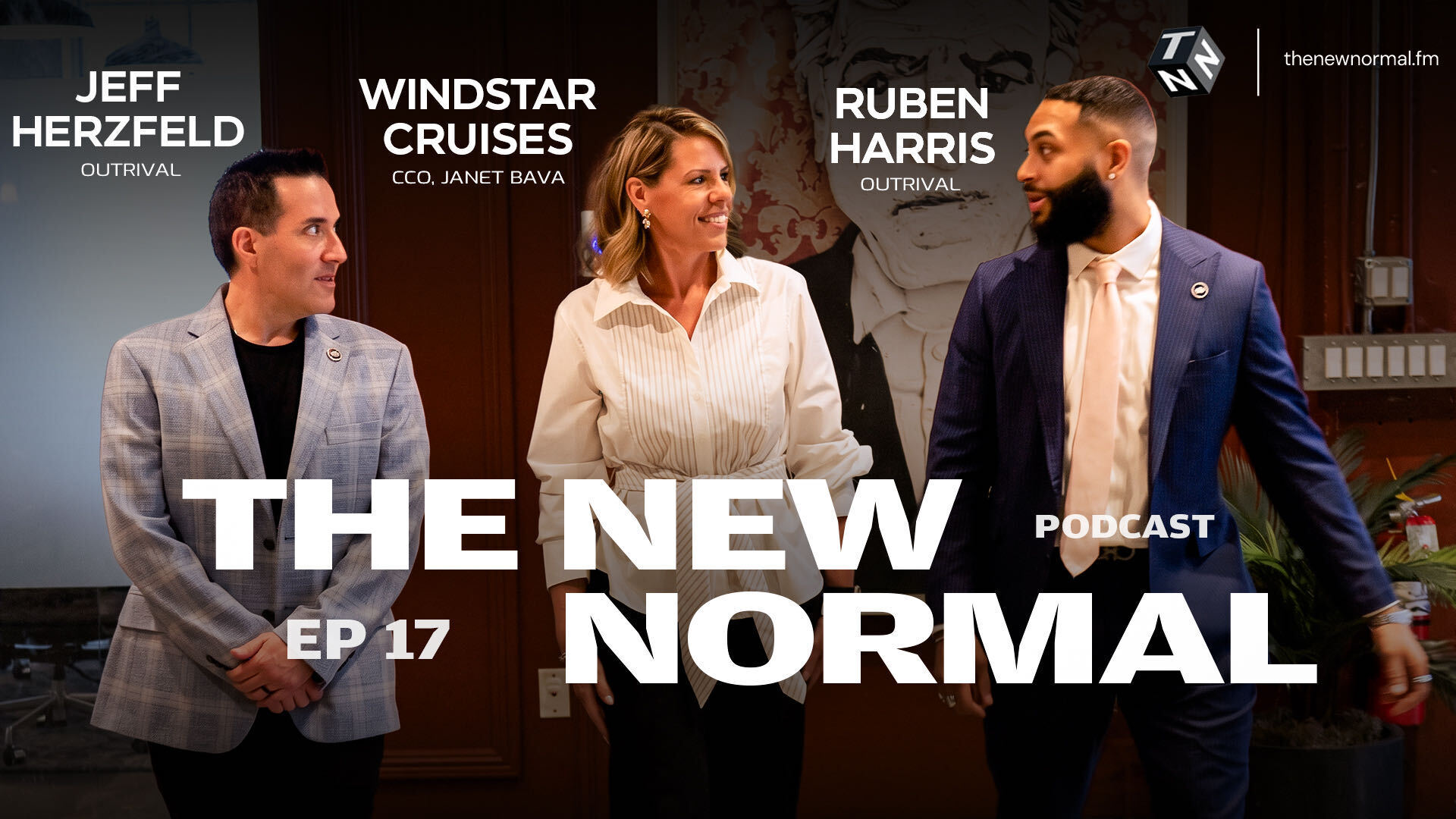






Janet Bava is Chief Commercial Officer of Windstar Cruises, the small-ship line with more than 40 years of history that is part of Xanterra Travel Collection. She joined Windstar in 2023 and leads its commercial organization, including marketing, sales, the contact center, revenue management and itinerary planning. She also hosts Winds of Change, Windstar's own podcast.
A self-described cruise lifer with more than 20 years in the industry, she was previously Chief Marketing Officer at AmaWaterways and Vice President of Marketing for the Americas at Silversea Cruises. Born in Cuba and raised in Miami, she took her first cruise for her quinceañera and is a graduate of Florida International University, where she studied marketing and international business.
Janet Bava took her first cruise for her quinceañera and has spent more than 20 years in the industry since. Today she is Chief Commercial Officer of Windstar Cruises, a small-ship line with more than 40 years of history that is about to take delivery of its eighth ship and is still choosing to stay small. Recorded in Miami with Ruben Harris and Jeff Herzfeld, OutRival's Head of Travel, she explains why leaders who talk about technology for savings have it wrong, why the website is the brand's first impression, and how flipping a salesperson's day from 70% service to 70% selling turns into revenue.
She walks through what happened in March, when airfares doubled with about 80% of the year's revenue already booked, and the peace of mind program Windstar launched in response. We also get into "all roads lead to IT," the move from Excel sheets to one CRM across every department, AI across the contact center that captures every conversation, putting IT, the business and the vendor at one table, how she earns budget from the CFO, why wave season has become a myth, the AI copywriter every marketing channel leader now has, and why AI will never replace the human connection.